US buyer guide to cosmetic and drug claims, MoCRA roles, color-additive limits and SKU-specific mugwort hydrosol evidence planning.
The Regulatory Frame, With Its Actual Boundaries
Cosmetic or drug? The determination turns on intended use. FDA’s own guidance — “Is It a Cosmetic, a Drug, or Both (or Is It Soap?)” — states the logic: products intended to cleanse, beautify, or alter appearance are cosmetics; intended uses like treating or preventing a condition push a product toward drug status [1]. For a hydrosol, your claims list is therefore a regulatory document: “refreshes skin” and “treats eczema” are not two phrasings of one product — they are two different regulatory products.
What MoCRA actually requires. The Modernization of Cosmetics Regulation Act created facility-registration and product-listing obligations, and its structure matters for importers: obligations attach to manufacturing/processing facilities and to the “responsible person” named on the product label — with defined exemptions — rather than being a single duty that “the importer” automatically absorbs [2]. Which obligations attach to your specific line depends on your role and scale; read FDA’s registration and listing page [2] and confirm your position with a regulatory advisor. Articles that flatten MoCRA into “the importer handles it” are wrong in a way that only shows up later.
Do not buy a supposed FDA compliance certificate. FDA states that it does not issue certificates or other documents verifying compliance with cosmetic facility-registration requirements [2]. Verify any submitted registration or listing information through the applicable FDA process and your qualified reviewer; a supplier-created certificate image is not regulatory proof.
Labeling. US cosmetic ingredient declaration follows FDA’s labeling rules, including 21 CFR Part 701 [3]; FDA’s Cosmetics Labeling Guide is the practical reference [4]. If the actual formula intentionally uses a color additive, verify that additive’s permitted intended use and applicable FDA requirements rather than relying on the general no-premarket-approval rule [7].
The INCI Name: A Useful Reference, a Misunderstood Authority
For Chinese mugwort (Artemisia argyi), the reference ingredient name “Artemisia Argyi Leaf Water” appears in the EU’s CosIng database, described as the steam distillate of the plant’s leaves [5]. Two disciplines when using this:
- CosIng is an EU database. It can be a naming reference, but CosIng inclusion is not a US regulatory determination. US label review runs against FDA’s labeling rules [3][4].
- Confirm the actual botanical identity. Do not infer a Latin name from the marketing word “mugwort.” Request the actual supplier’s species and the formula/ingredient documentation that supports the label.
Safety Evidence: A Risk-Based Buyer Checklist
FDA identifies microbiological contamination as a cosmetic risk area and notes that safety can be affected by raw materials, preservation, packaging, shipping, and storage [6]. “It is a true distillate” is a process description, not safety substantiation. Use the following as a risk-based buyer checklist; its frequency and acceptance criteria must be justified for the actual formula, packaging, manufacturing controls, and target market.
| Evidence item | What it proves | Notes |
|---|---|---|
| Botanical identity and ingredient record | Supports accurate supplier and label review | Confirm again when the formula, source, or supplier changes |
| Batch record / COA where available | Supports consistency review | Agree which attributes are relevant to the actual SKU; pH is not a skin-compatibility determination |
| Microbiological evidence | Addresses a risk area FDA identifies [6] | Set frequency, method, limits, sampling, and laboratory identity in the actual quality plan |
| Preservation and stability evidence | Supports the supplier’s claimed shelf life for its formula and packaging | Do not accept a shelf-life or preservative claim without the supporting rationale and data |
| Packaging compatibility evidence | Supports the packaging decision | Review the actual container, closure, shipping/storage conditions, and formula together |
Missing evidence does not prove a product is unsafe. It does mean the buyer cannot substantiate the relevant part of its qualification decision. Record the gap, its risk, and the evidence needed before launch rather than converting an incomplete file into a compliance claim.
How to Set the Evidence Plan With Your Supplier
The checklist above is not a legal test list or a universal acceptance standard. Before production, document a product-specific evidence plan with the actual manufacturer or responsible person:
| Evidence item | Minimum acceptance standard | Why |
|---|---|---|
| Microbiological evidence | Agree method, organism panel, limits, sampling point, testing frequency, and responsible laboratory for the actual SKU | FDA identifies microbiological contamination as a risk area; it does not prescribe one list here [6] |
| Physical/chemical attributes | Set only attributes relevant to the formula and packaging, with a documented rationale | pH can be a consistency parameter; it does not establish skin compatibility on its own |
| Preservation and shelf-life claim | Keep the supplier’s rationale and supporting data for the specific formula, packaging, and stated shelf life | Do not assume that a “preservative-free” or duration claim is substantiated |
| Stability/transport assessment | Assess conditions reasonably relevant to the product’s distribution and storage | FDA lists poor shipping or storage conditions among contamination contributors [6] |
| Batch-release record | Define when a batch record or COA is required by the agreed quality plan | The needed record depends on the risk assessment and supply arrangement |
These are buyer-side evidence fields, not FDA pass/fail thresholds. FDA generally does not pre-approve cosmetics, with the stated color-additive exception [7]. A completed file can support a buyer’s qualification decision; an incomplete file must be recorded as an evidence gap and resolved, accepted with documented risk, or rejected under that buyer’s quality plan.
Claims Discipline for This Product
The workable claim space for a hydrosol in the US cosmetic channel is appearance- and sensory-oriented. The moment copy drifts toward treating skin conditions, calming inflammation, or therapeutic aromatherapy outcomes, the determination framework in section one applies [1]. Practical rule: finalize the claims list first, have it reviewed against FDA’s cosmetic/drug guidance, and only then write labels and listings. This is the same sequence as the heat-patch fork — claims are a design input, not a marketing afterthought.
Logistics Realities for a Water-Based Botanical
A liquid product’s weight, closure performance, shipping conditions, and storage conditions belong in the product-specific logistics and qualification plan. FDA identifies poor shipping or storage conditions and packaging that does not adequately protect a cosmetic among potential contributors to microbiological contamination [6]. Check the actual filled bottle, closure, shipper, and distribution conditions during sample and stability review; do not assume a generic hydrosol is leak-proof or temperature-stable.
Supplier Qualification Questions for This Category
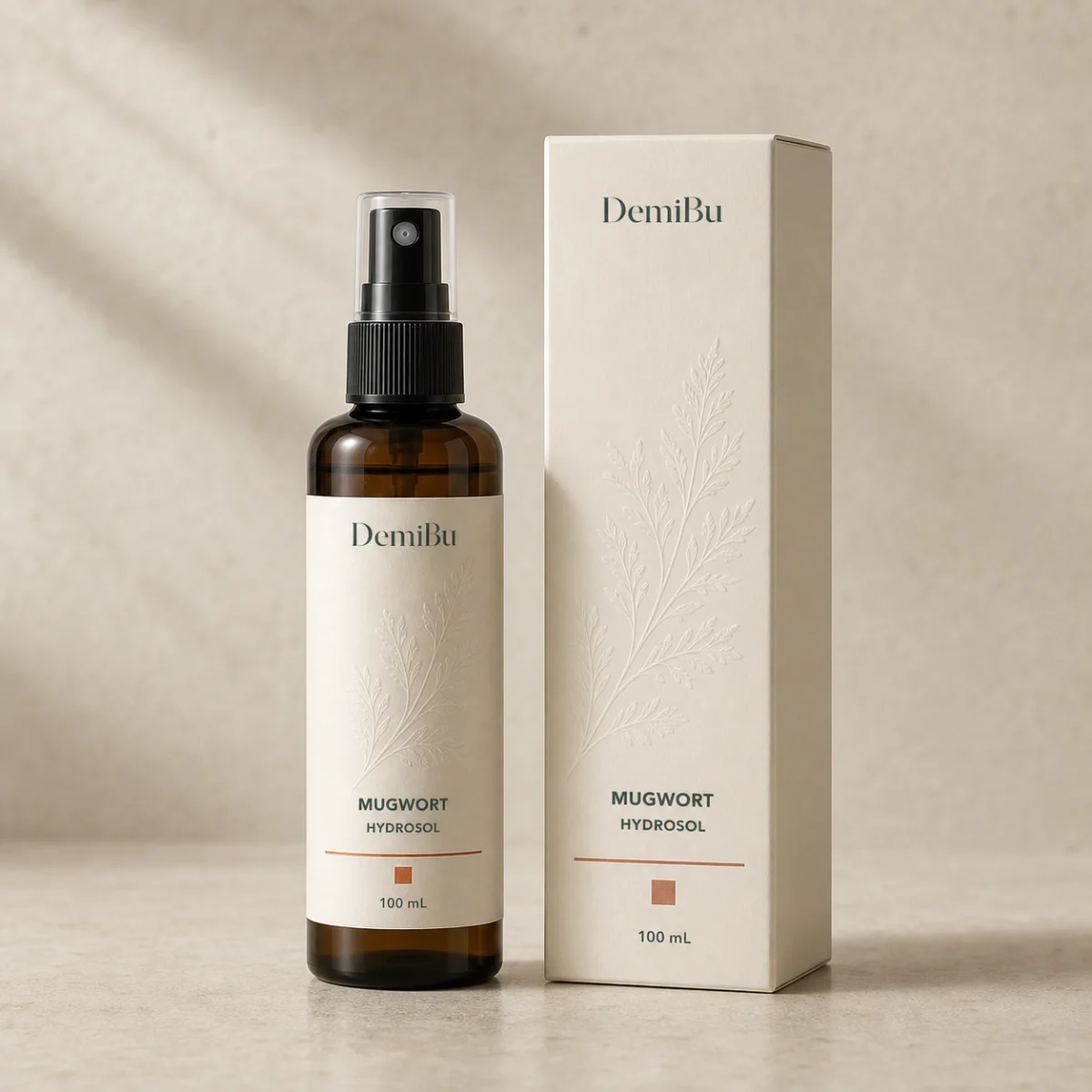
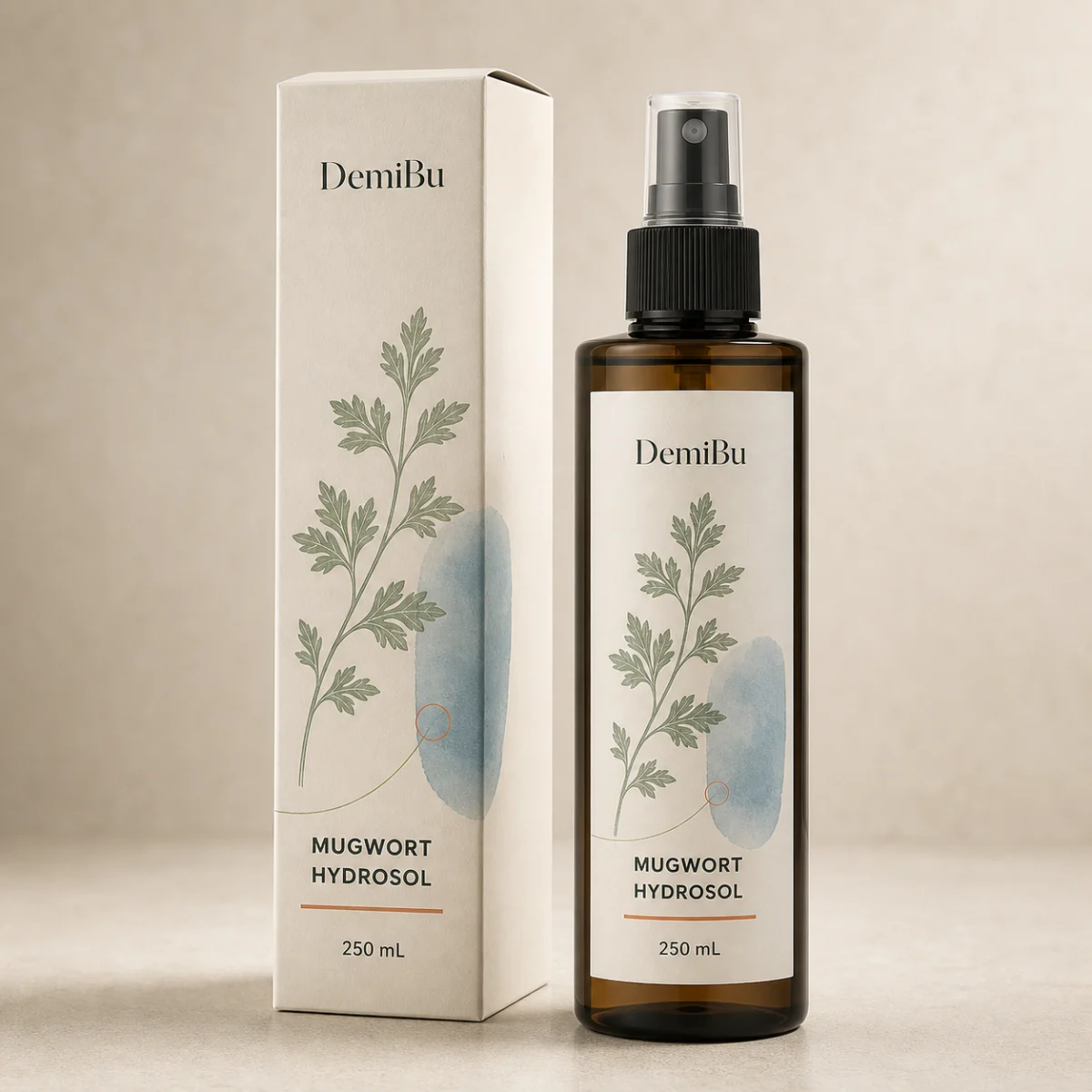
A photo cannot establish botanical identity, manufacturing method, formula, microbiological control, shelf life, or label suitability. Ask these questions in writing during supplier qualification:
- “What is the manufacturing process and material input?” Ask whether the product is distilled, reconstituted, or otherwise formulated, and request a document that supports the answer. Do not infer the process from a product name or photo.
- “Which species, and can you state the Latin name on our documentation?” The answer anchors your label accuracy (see the INCI section) and your composition story.
- “Show us a recent batch COA and the microbiological method used.” You are checking both that testing exists [6] and that the lab and method are identifiable.
- “What is your preservative position for export shipments, and what stability data supports it?” Any confident one-line answer (“preservative-free, stable 24 months”) without data attached is a flag, not a feature.
- “Which markets do you currently ship this SKU into, and what documents can you provide?” Treat any answer as a supplier statement. Prior shipments do not prove the product is admissible, registered, labeled correctly, or suitable for your target market.
Record the answers, supporting documents, and unresolved gaps before samples. The answers guide what to test and verify; they do not by themselves prove product quality, safety, or market compliance.
To start a quotation, provide the target bottle size and material, formula position (true distillate, reconstituted or otherwise formulated), confirmed botanical species if known, preservative position, target shelf life, destination market, intended claims, order-volume direction and required evidence. Moxa Sourcing coordinates the product, supplier, sample, testing and labeling inputs within the agreed scope; the buyer or importer leads and approves the destination-market decision with its qualified advisers.
Sources and evidence notes
Public sources help frame terminology, specifications and buyer questions. They do not prove that every factory, formula or destination-market requirement is identical.
- [1]FDA — Is It a Cosmetic, a Drug, or Both (or Is It Soap?): fda.gov (cosmetic vs drug)US Food and Drug Administration · regulator · accessed 2026-09-13
- [2]FDA — Registration & Listing of Cosmetic Product Facilities and Products (MoCRA): fda.gov (MoCRA)US Food and Drug Administration · regulator · accessed 2026-09-13
- [3]eCFR — 21 CFR Part 701, Cosmetic Labeling: ecfr.gov (21 CFR 701)Electronic Code of Federal Regulations · regulator · accessed 2026-09-13
- [4]FDA — Cosmetics Labeling Guide: fda.gov (labeling guide)US Food and Drug Administration · regulator · accessed 2026-09-13
- [5]European Commission — CosIng database (search "Artemisia Argyi Leaf Water"): ec.europa.eu/growth/tools-databases/cosingEuropean Commission · regulator · accessed 2026-09-13
- [6]FDA — Microbiological Safety and Cosmetics: fda.gov (microbial safety)US Food and Drug Administration · regulator · accessed 2026-09-13
- [7]FDA — FDA Authority Over Cosmetics: How Cosmetics Are Not FDA-Approved (color-additive exception): fda.gov (premarket approval and color additives)US Food and Drug Administration · regulator · accessed 2026-09-13
- [8]Internal: Mugwort Hydrosol 250 mlMoxa Sourcing · first party · accessed 2026-09-13
How this guide was prepared
Moxa Sourcing Editorial Team
The team translates supplier references, product samples and China-side sourcing workflows into practical English guidance for overseas buyers.
Moxa Sourcing Supply Review Team
The review team checks supplier attribution, commercial boundaries, product specifications and statements that require sample or market-specific verification.
Product availability, MOQ, price and production specifications are reconfirmed against the selected supplier reference. The buyer or importer leads the destination-market decision and retains applicable statutory importer duties; Moxa Sourcing supports the process by coordinating product and supplier evidence, specifications, documents, testing and label inputs, version control and agreed professional partners.