Buyer guide to mugwort product categories wholesale: definitions, evidence gates, decision tables, responsibility boundaries and practical RFQ inputs.
Why one mugwort keyword hides six different supply chains
Use the table to turn a broad search phrase into choices that can be verified and recorded.
Physical family belongs in the controlled decision record rather than promotional copy. Start with what the catalog family is made of and how it is supplied. Verification should use material or formula, dimensions, unit count and catalog family photographs. The taxonomy is an operating model: it sends each SKU to the right supplier questions, samples and quality work. Use one canonical catalog family page per physical SKU. The inquiry must identify who supplies the proof and when it becomes part of the deal. Unresolved items stay visibly conditional; they must not be promoted as settled facts.
Use case belongs in the controlled decision record rather than promotional copy. Add a secondary route such as clinic supply, low-smoke use, monthly comfort or evening foot care. Verification should use category manager language, channel context and safe intended-use statement. The taxonomy is an operating model: it sends each SKU to the right supplier questions, samples and quality work. Do not create a duplicate SKU merely for a new landing page. The inquiry must identify who supplies the proof and when it becomes part of the deal. Unresolved items stay visibly conditional; they must not be promoted as settled facts.
Category manager type belongs in the controlled decision record rather than promotional copy. Distinguish practitioner distributor, private-label brand, spa category manager and ecommerce retailer. Verification should use category manager requirements, pack expectations, order size and document brief. The taxonomy is an operating model: it sends each SKU to the right supplier questions, samples and quality work. Use category manager pages to change the decision context, not the facts. The inquiry must identify who supplies the proof and when it becomes part of the deal. Unresolved items stay visibly conditional; they must not be promoted as settled facts.
Commercial model belongs in the controlled decision record rather than promotional copy. Mark whether the opportunity is existing-SKU wholesale, private label or managed sourcing. Verification should use customization scope, category source count, MOQ and lead-time inputs. The taxonomy is an operating model: it sends each SKU to the right supplier questions, samples and quality work. Quote each model separately. The inquiry must identify who supplies the proof and when it becomes part of the deal. Unresolved items stay visibly conditional; they must not be promoted as settled facts.
Category proof tier belongs in the controlled decision record rather than promotional copy. Separate priority, core and project-led options based on catalog family readiness. Verification should use source traceability, assortment reference status, formula clarity and compatibility. The taxonomy is an operating model: it sends each SKU to the right supplier questions, samples and quality work. Do not present an unresolved project option as production-ready. The inquiry must identify who supplies the proof and when it becomes part of the deal. Unresolved items stay visibly conditional; they must not be promoted as settled facts.
| Decision field | What to decide | Category proof to request | What the record must contain |
|---|---|---|---|
| Physical family | Start with what the catalog family is made of and how it is supplied. | Material or formula, dimensions, unit count and catalog family photographs. | Use one canonical catalog family page per physical SKU. |
| Use case | Add a secondary route such as clinic supply, low-smoke use, monthly comfort or evening foot care. | Category manager language, channel context and safe intended-use statement. | Do not create a duplicate SKU merely for a new landing page. |
| Category manager type | Distinguish practitioner distributor, private-label brand, spa category manager and ecommerce retailer. | Category manager requirements, pack expectations, order size and document brief. | Use category manager pages to change the decision context, not the facts. |
| Commercial model | Mark whether the opportunity is existing-SKU wholesale, private label or managed sourcing. | Customization scope, category source count, MOQ and lead-time inputs. | Quote each model separately. |
| Category proof tier | Separate priority, core and project-led options based on catalog family readiness. | Source traceability, assortment reference status, formula clarity and compatibility. | Do not present an unresolved project option as production-ready. |
The six-family map: classify by what is manufactured
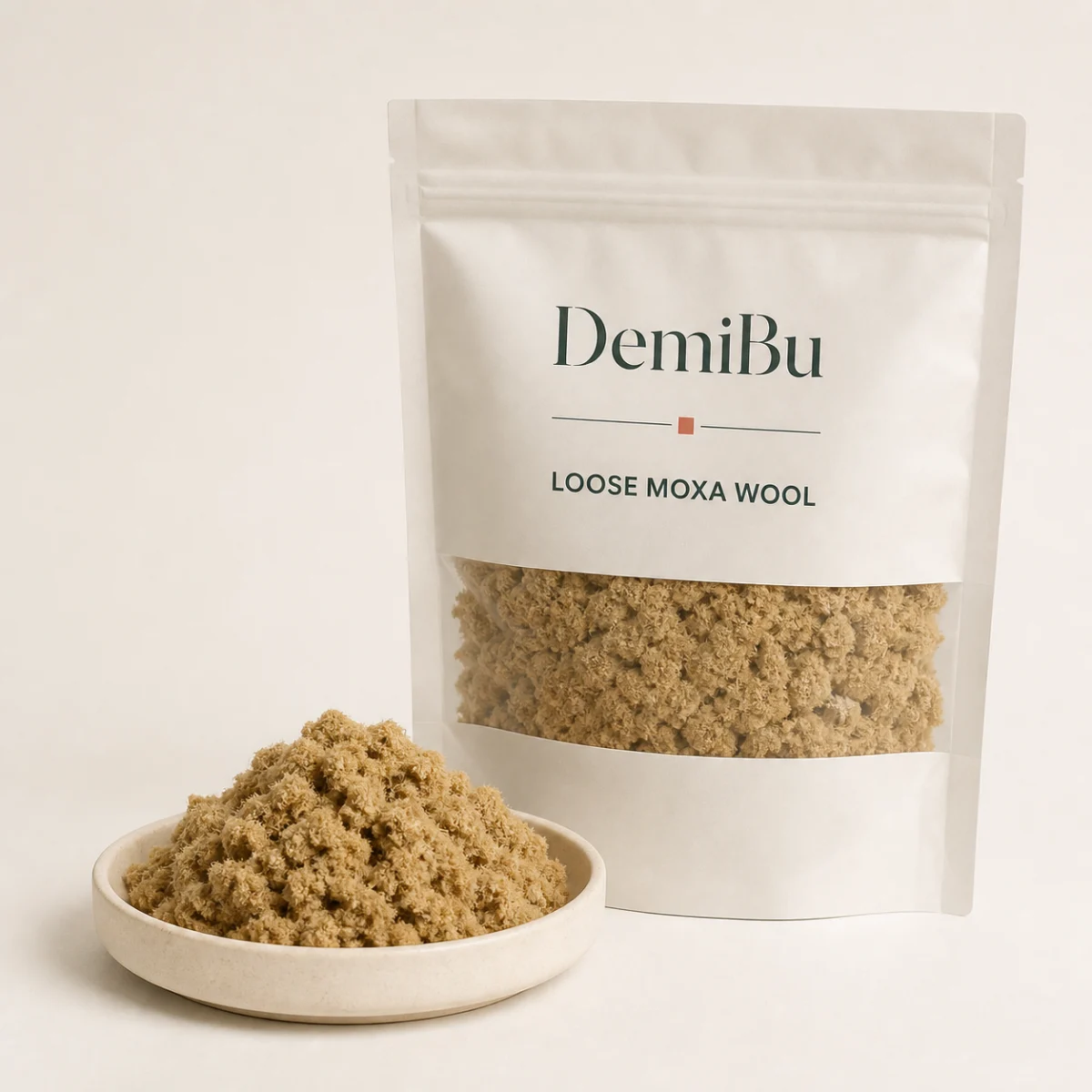
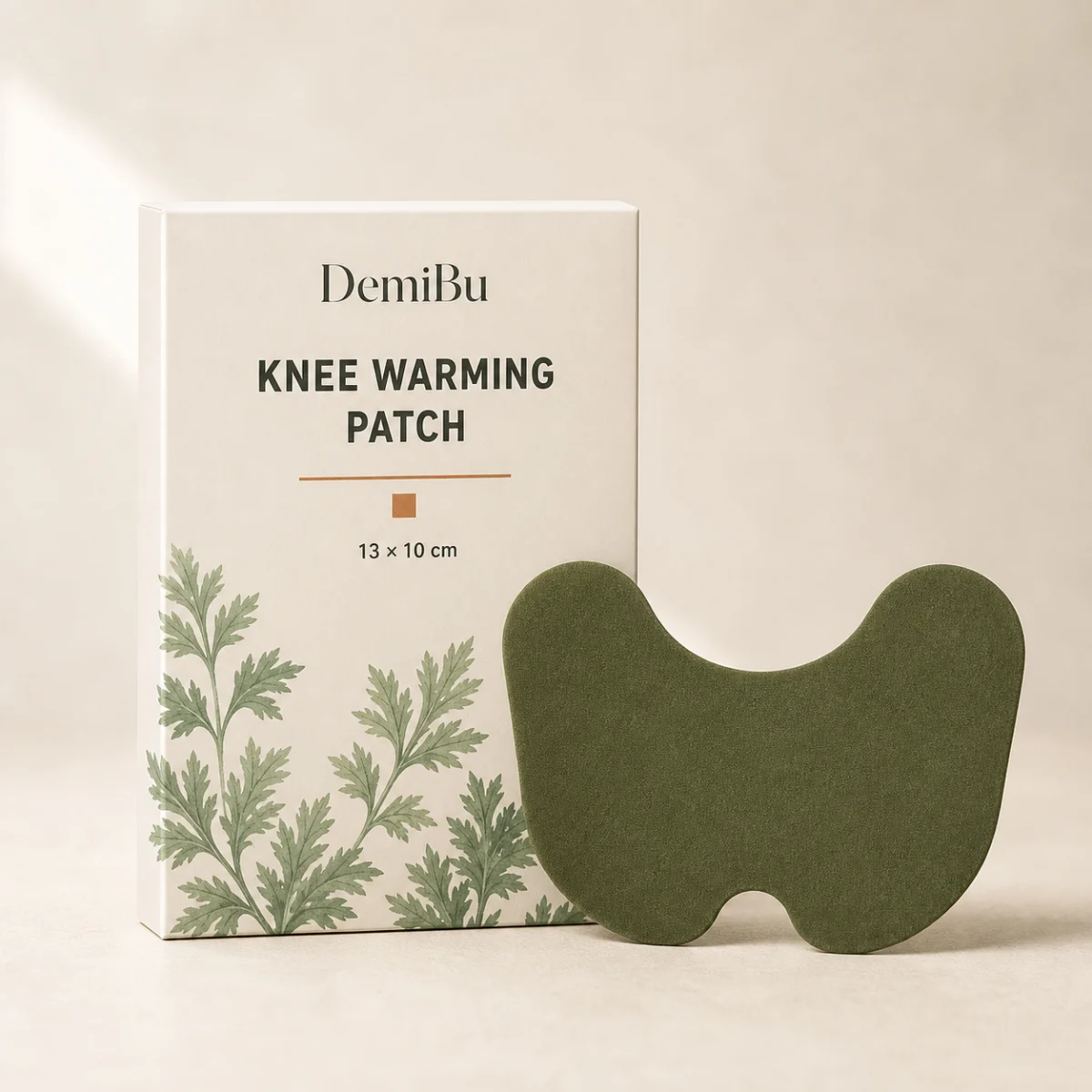
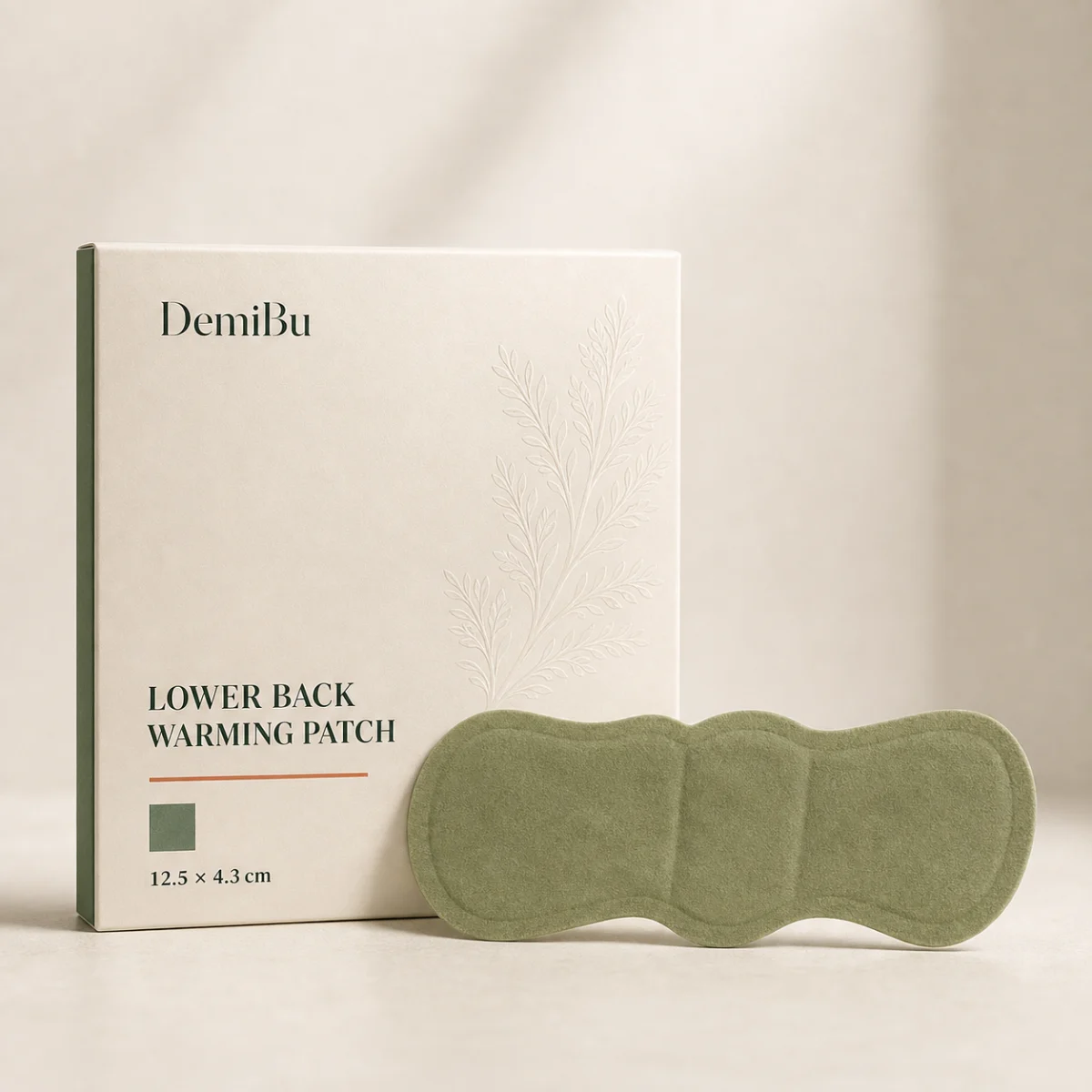
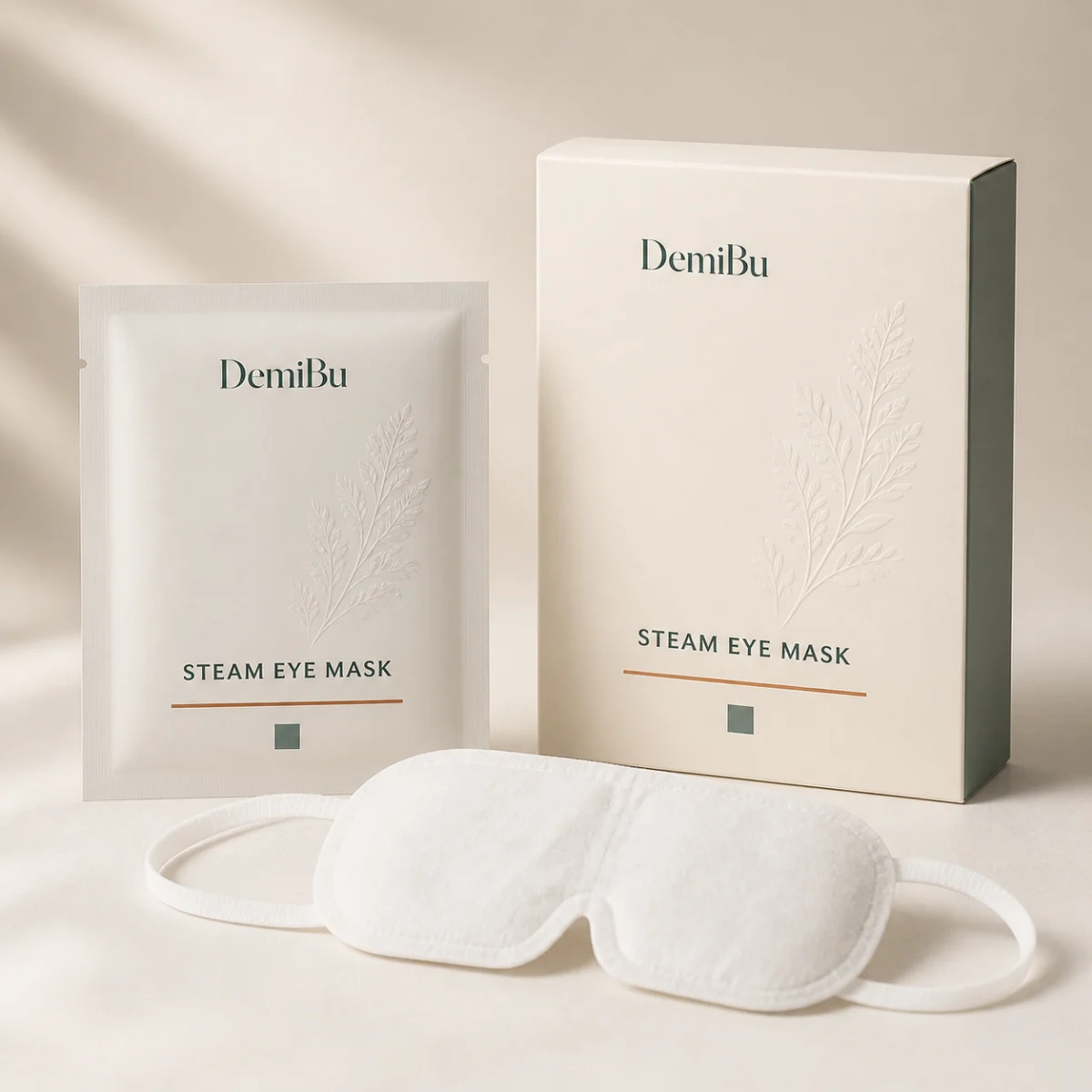
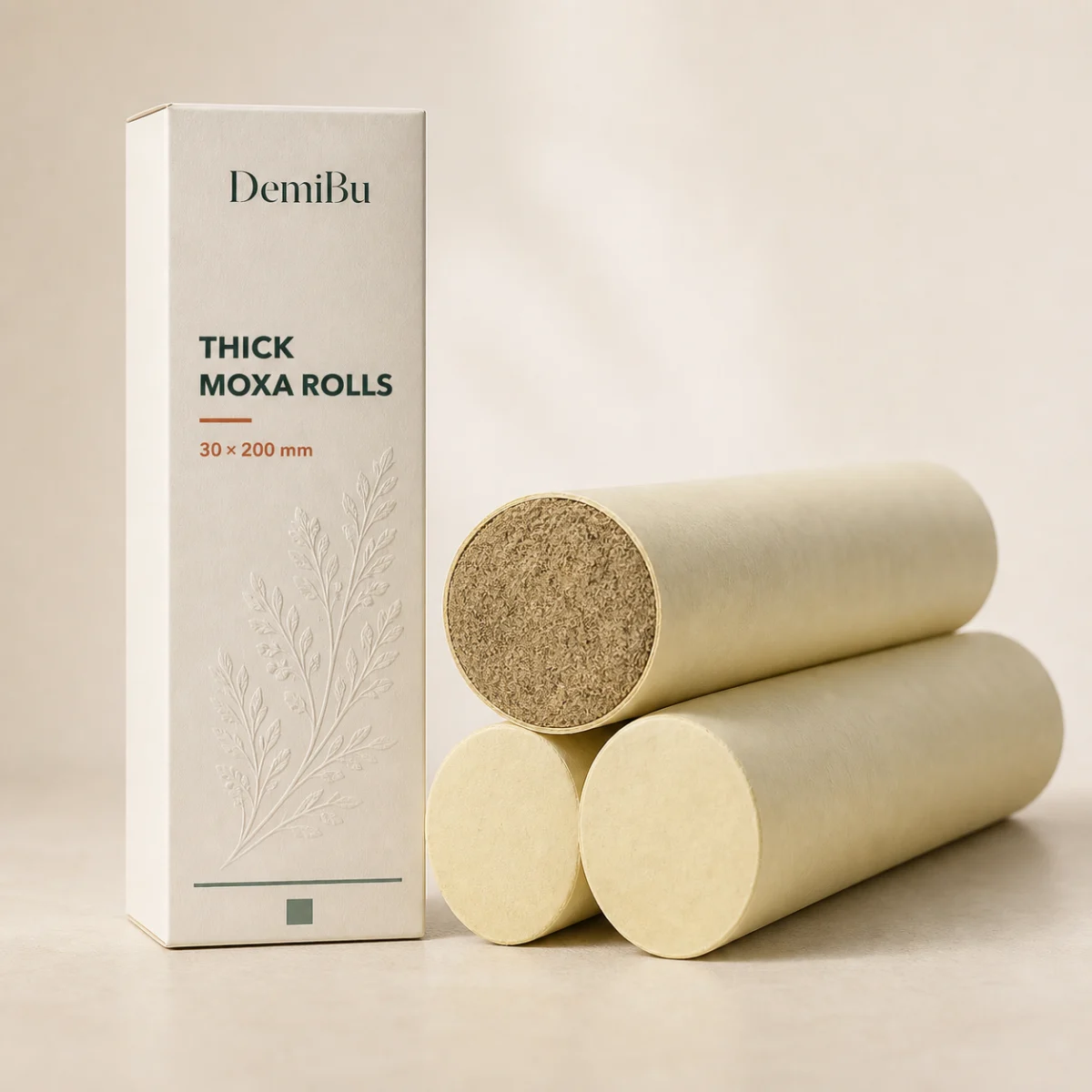
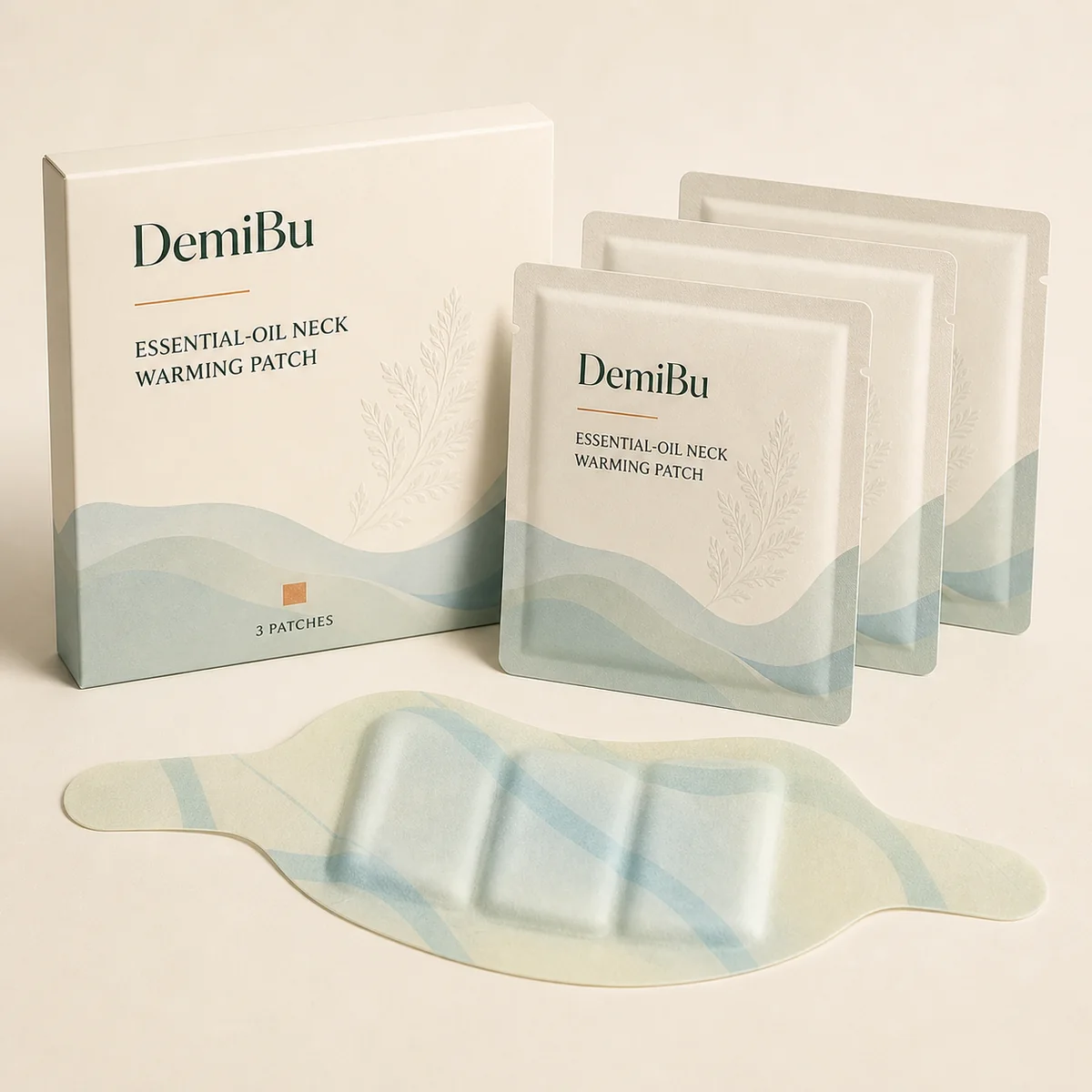
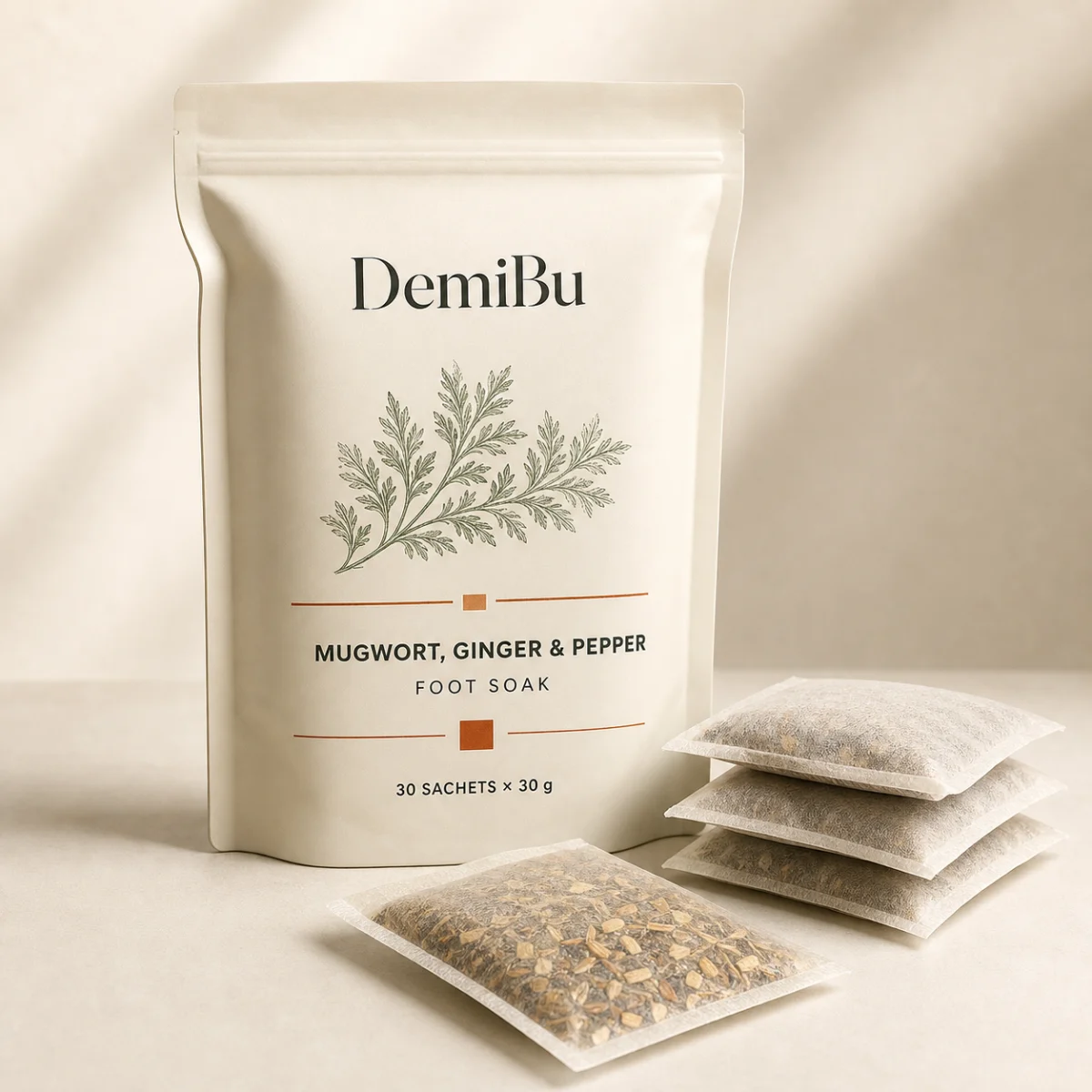
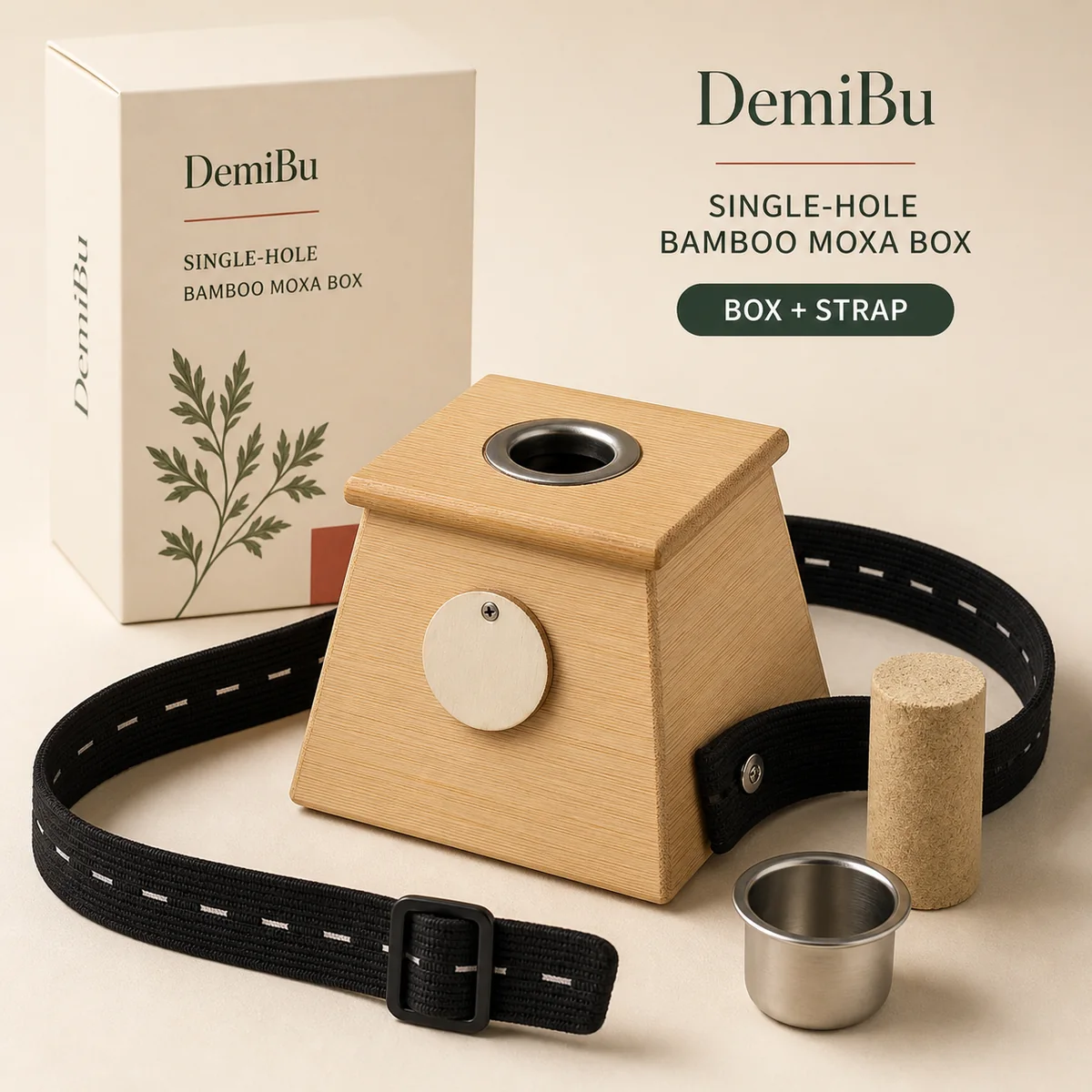
A useful mugwort taxonomy follows buying decisions, not a category source’s longest catalog. Separate consumables, warming patches, oils and hydrosols, foot-care products, tools, and gifts or textiles because each family has different category proof, factories and commercial risks.
The taxonomy connects 36 canonical products to six physical families and nine use-case paths without creating duplicate catalog family pages. The taxonomy is an operating model: it sends each SKU to the right supplier questions, samples and quality work. Category management starts with manufacturing form, then overlays buyer type and use case without duplicating canonical pages. Shared mugwort content does not make a roll, hydrosol, heat patch and pillow one sourcing category.
The primary reader is overseas buyers designing a focused mugwort assortment. Catalog confusion appears when ingredient, use case and physical format occupy the same hierarchy. Separate those axes so navigation mirrors procurement work.
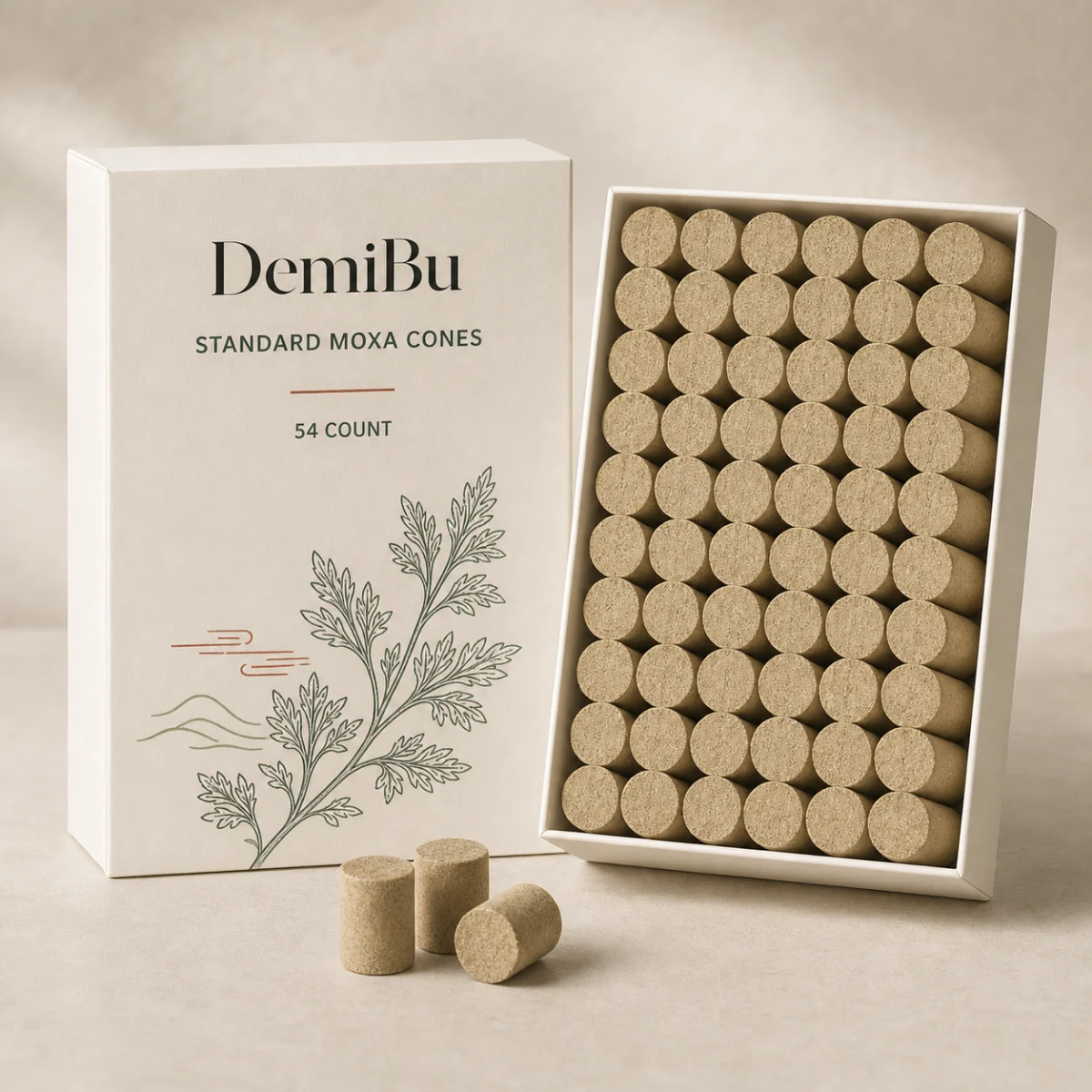
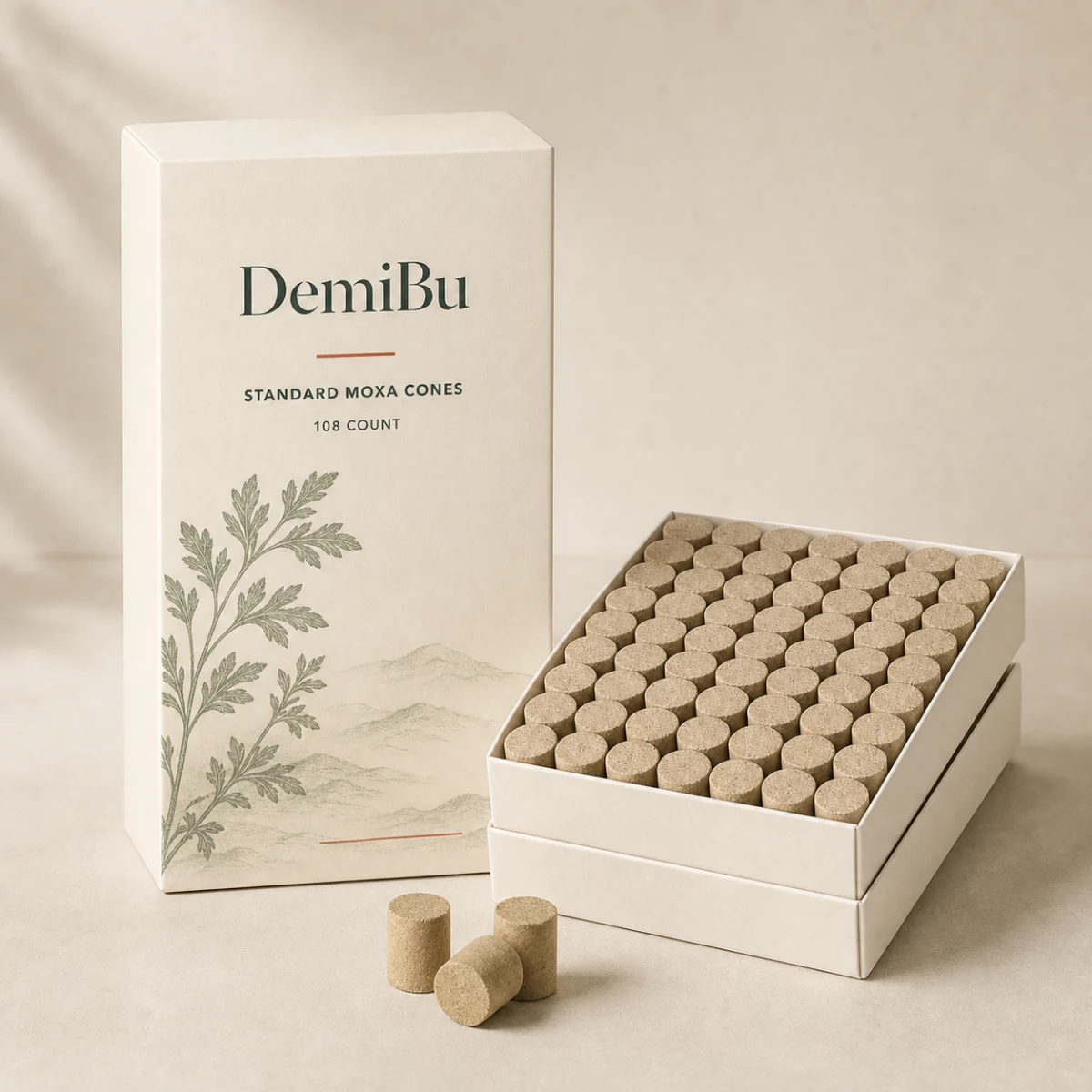
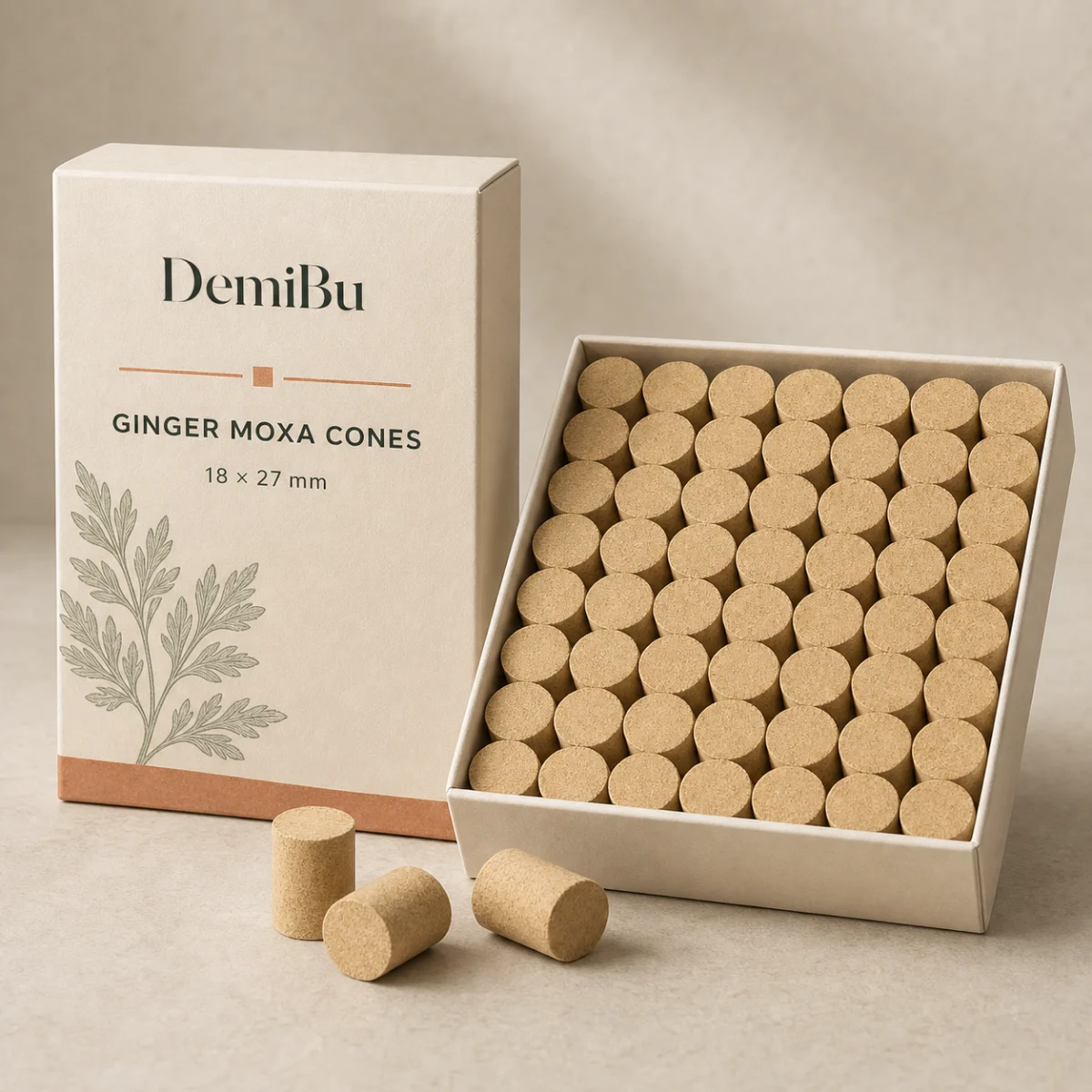
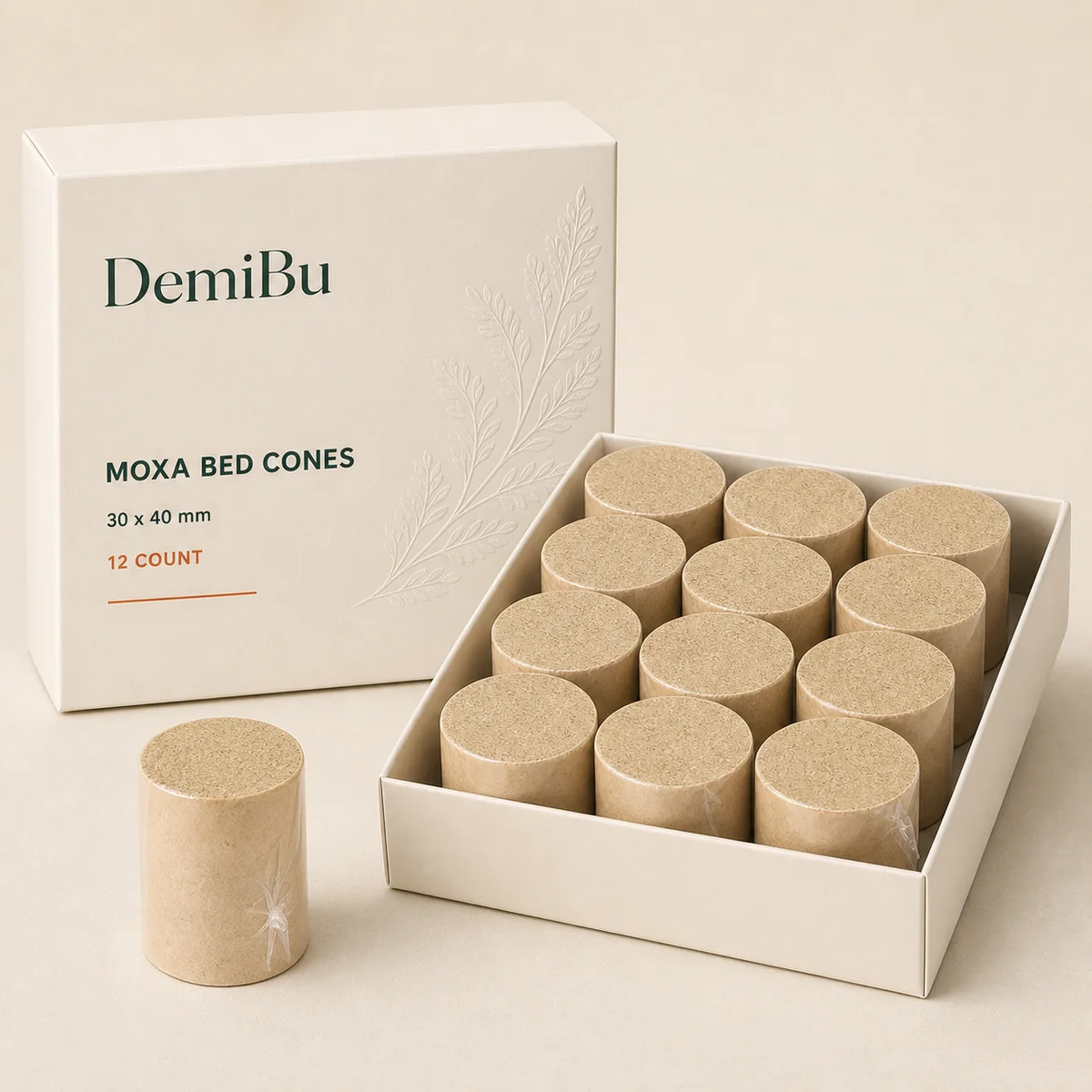
Moxa Sourcing uses a narrow category model because different products need different specialists and category proof. moxibustion consumables, functional warming formats, botanical oils and hydrosols, foot-care preparations, tools and accessories, gifts and textiles are not interchangeable fields. They should be translated into material or formula, dimensions, pack, intended use, quality checkpoints and claims boundaries. This creates an English commercial layer without pretending that one company manufactures every component.
For a category manager, the useful question is not which marketing label sounds strongest. It is which choice can be written, sampled, checked and repeated. A procurement team should convert this topic into controlled fields before comparing quotations. Otherwise each category source answers a different question. The result is a stronger Category brief: suppliers can answer against the same scope, the category manager can compare total commercial value, and unresolved points remain visible rather than being hidden inside optimistic wording.
Nothing in this guide is a universal sales channel-access conclusion. Regulations and classifications depend on the finished SKU, composition or construction, intended use, claims and destination. The category manager or importer controls that decision and should use current official sources and qualified local advice where needed.
Build a launch assortment from category roles
The same physical catalog family can serve different channels, but channel strategy should change packaging and communication—not rewrite unverified catalog family facts.
Channel fit starts with the category manager’s customer, order cadence, pack expectation, price position and ability to manage instructions. A practitioner distributor often values technical repeatability and compatibility. A private-label brand may prioritize a differentiated pack and controlled claim language. An ecommerce retailer needs understandable identity and dependable replenishment. These are commercial differences, not permission to change the formula description or performance record.
For new importers, use the six-family map to narrow an initial assortment reference kit. Too many unrelated SKUs delay learning. Start with one family and two comparison products. Assortment breadth must stay within the team’s ability to test, document and replenish. Channel copy may adapt the explanation while the controlled identity remains unchanged. Every commercial surface must trace back to the same approved identity and wording record.
For established distributors, use catalog family form and compatibility filters to extend an existing line. Catalog overlap can create internal competition. Start with gaps in the current assortment. Assortment breadth must stay within the team’s ability to test, document and replenish. Channel copy may adapt the explanation while the controlled identity remains unchanged. Every commercial surface must trace back to the same approved identity and wording record.
For private-label brands, use use-case and category manager tags to define the consumer proposition, then return to the canonical taxonomy rule. Marketing categories can obscure formula differences. Start with one hero catalog family and one supporting catalog family. Assortment breadth must stay within the team’s ability to test, document and replenish. Channel copy may adapt the explanation while the controlled identity remains unchanged. Every commercial surface must trace back to the same approved identity and wording record.
Assortment discipline matters because every new SKU creates samples, artwork, documents, inventory and replenishment work. A category manager should add a variant only when it serves a distinct need, price point, use environment or channel. If two proposed SKUs cannot be distinguished without making an unsupported benefit claim, the better decision may be to keep one and improve its taxonomy rule.
Internal links should follow the same logic. The article answers the broad decision, the canonical catalog family page controls the SKU identity, the use-case page explains context, the quality page explains category proof gates, and the Category brief page collects a real requirement. Search engines and AI systems then see a coherent entity graph rather than many thin pages repeating similar keywords.
| Commercial route | Best initial question | Main risk | Recommended first category proof |
|---|---|---|---|
| New importers | Use the six-family map to narrow an initial assortment reference kit. | Too many unrelated SKUs delay learning. | Start with one family and two comparison products. |
| Established distributors | Use catalog family form and compatibility filters to extend an existing line. | Catalog overlap can create internal competition. | Start with gaps in the current assortment. |
| Private-label brands | Use use-case and category manager tags to define the consumer proposition, then return to the canonical taxonomy rule. | Marketing categories can obscure formula differences. | Start with one hero catalog family and one supporting catalog family. |
Sources for this section: [3]
Keep taxonomy separate from destination classification
Send a brief that identifies the exact catalog family, sales channel, channel, quantity, packaging, category proof and decision owner; then approve samples before bulk price becomes final.
Begin with the business objective. State whether the project is a test order, established distributor replenishment, private-label launch or multi-specialist maker assortment. Name the destination and sales channel. Select the closest current catalog family references and explain what must remain unchanged. This prevents a category source from quoting a visually similar item that answers a different commercial need.
Next, convert open questions into a assortment reference plan. A reference assortment reference establishes the category source’s current catalog family. A modified assortment reference tests agreed changes. A golden assortment reference records the final choice. Each assortment reference should carry a catalog family ID, date, source, version and decision note. Photographs are useful, but the retained physical or properly documented reference remains more reliable.
After assortment reference approval, write the taxonomy rule. Include the fields relevant to this article, plus unit and carton packing, artwork revision, barcode, markings, defect definitions, inspection method and shipment handoff. Separate confirmed facts from tolerances that still require specialist maker input. If a point affects classification or claims, keep it subject to category manager approval.
Only then compare complete quotations. Price should include the same catalog family, packaging, quantity, development, testing, inspection, consolidation and delivery basis. A quote that excludes a required step is not cheaper; it is incomplete. The purchase order and supporting agreements should point to the approved taxonomy rule and change-control process.
- 01 — Identify category manager type
- 02 — Choose one physical family
- 03 — Select use case
- 04 — Choose commercial model
- 05 — Review category proof tier
- 06 — Compare samples
- 07 — Build internal-link path
The strongest sourcing claim is not “we can supply it.” It is “we can show what it is, who controls it, what still needs verification and how the approved decision reaches production.”
Sources for this section: [1]
Overlay use case and buyer type without duplicating SKU pages
A complete assortment quote is meaningful only after the category proof file describes the same catalog family, pack, sales channel and responsibility scope.
Support should follow the sequence needed by this particular decision. Public material establishes that an entity, catalog family, regulator rule or industrial cluster exists. Category source material introduces a candidate SKU. A paid or approved assortment reference reveals the selected catalog family. A written taxonomy rule defines the commercial promise. Finally, an inspection or test checks agreed points against production. Skipping layers encourages the category manager to compare a verified offer with a marketing description.
Catalog source must pass the inclusion rule for its physical family. Tie the public item to a category source offer, catalog or selected assortment reference. A generic image is not an adequate catalog family identity. The catalog registry binds every SKU to one family, controlled facets, readiness status and canonical URL. A category source is credited for the specific capability it demonstrates, not for every item in its catalog. Counts, dimensions, formulas and kit components are controlled on the individual SKU page. The commercial taxonomy organizes discovery; it does not decide the legal category in a destination.
Category specialist must pass the inclusion rule for its physical family. Record why the source is appropriate for that catalog family. A broad catalog may contain outsourced products. The catalog registry binds every SKU to one family, controlled facets, readiness status and canonical URL. A category source is credited for the specific capability it demonstrates, not for every item in its catalog. Counts, dimensions, formulas and kit components are controlled on the individual SKU page. The commercial taxonomy organizes discovery; it does not decide the legal category in a destination.
Facet governance must pass the inclusion rule for its physical family. Maintain controlled use-case and category manager-type tags. Uncontrolled tags create thin duplicate pages and confuse search engines. The catalog registry binds every SKU to one family, controlled facets, readiness status and canonical URL. A category source is credited for the specific capability it demonstrates, not for every item in its catalog. Counts, dimensions, formulas and kit components are controlled on the individual SKU page. The commercial taxonomy organizes discovery; it does not decide the legal category in a destination.
Readiness status must pass the inclusion rule for its physical family. Publish what is known and state what still requires a assortment reference or category manager decision. Transparency is stronger than inventing specifications. The catalog registry binds every SKU to one family, controlled facets, readiness status and canonical URL. A category source is credited for the specific capability it demonstrates, not for every item in its catalog. Counts, dimensions, formulas and kit components are controlled on the individual SKU page. The commercial taxonomy organizes discovery; it does not decide the legal category in a destination.
Internal links must pass the inclusion rule for its physical family. Connect category, use case, catalog family, quality and Category brief pages. A coherent graph helps buyers and search systems understand entity relationships. The catalog registry binds every SKU to one family, controlled facets, readiness status and canonical URL. A category source is credited for the specific capability it demonstrates, not for every item in its catalog. Counts, dimensions, formulas and kit components are controlled on the individual SKU page. The commercial taxonomy organizes discovery; it does not decide the legal category in a destination.
The category proof register should show the file name, issuer, catalog family or model, revision, date, language, scope and owner. It should also state what the record does not prove. For example, a laboratory report can be authentic but irrelevant to a modified formula; a business license can verify a legal entity but not catalog family quality; and a assortment reference can show catalog family truth without proving that every later batch will match.
When information is missing, the correct response is a gate, not invention. Ask the user or category source for the missing record, select a different reference, narrow the public claim or keep the catalog family project-led. This protects search credibility and reduces the chance that sales copy becomes an accidental contractual promise.
- Reject or escalate: Publishing 200 to 300 undifferentiated category source items.
- Reject or escalate: Creating duplicate URLs for each use case.
- Reject or escalate: Mixing cosmetics, devices and combustibles under one compliance assumption.
- Reject or escalate: Using category source categories as category manager language.
- Reject or escalate: Confusing project options with ready stock.
Mistake file: a 200-item catalog that could not answer one buyer
A seller published rolls, oils, patches, pillows and burners in one undifferentiated mugwort collection, leaving visitors unable to compare format, MOQ or sourcing path.
The catalog looked extensive but mixed consumables, formulations, wearable heat items, tools and textiles. Filters based only on mugwort repeated the ingredient while hiding the manufacturing decision. The repair created six stable physical families, then added use-case and buyer-type facets that point back to one canonical SKU page.
The new structure also changed operations. Liquids required formula and pack compatibility; heat patches required temperature and adhesive review; tools required dimensions and consumable fit. Category architecture became a work-routing system rather than a menu decoration.
| Family | Manufacturing question | First commercial gate |
|---|---|---|
| Moxa consumables | Grade, dimensions and combustion format | Coded comparison specimens |
| Patches and heat care | Substrate, heat curve and wear position | Formula and temperature protocol |
| Oils and hydrosols | Complete formula and container system | Stability and compatibility plan |
| Tools and textiles | Construction, fit and material declaration | System or full-set prototype |
Govern new SKUs with inclusion and exclusion rules
Responsibility should be written before the order: the specialist maker makes the approved catalog family, Moxa Sourcing coordinates China-side execution, and the category manager or importer controls destination-sales channel legality and clearance.
The specialist maker is responsible for manufacturing to the approved taxonomy rule, maintaining the agreed production records, controlling its processes and correcting verified production nonconformity under the contract. If it uses a specialist subcontractor for a component, that role should be disclosed and controlled rather than hidden behind a broad specialist maker claim.
Moxa Sourcing is responsible for translating the category manager’s brief into comparable category source questions, preserving source references, coordinating samples, aligning specifications and artwork inputs, tracking open points, arranging agreed quality checkpoints and handing the shipment and records to the appointed logistics path. This is commercial accountability for China-side coordination, not ownership of every specialist maker.
The category manager or importer is responsible for selecting the destination sales channel, confirming catalog family classification, appointing local specialists where required, approving the final formula or materials, label and claims, completing registrations or notifications, acting as importer or responsible person where applicable, arranging customs clearance and authorizing local sale.
Freight forwarders, customs brokers, laboratories and consultants perform defined professional tasks. They do not replace the category manager’s commercial decisions or the specialist maker’s manufacturing responsibility. Their deliverables, assumptions and authority should be listed in the project matrix so that no party relies on an invisible handoff.
| Party | Primary responsibility | Category proof or output | Not automatically responsible for |
|---|---|---|---|
| Specialist maker | Manufacture to approved scope | Production records and agreed specialist maker documents | Destination classification or category manager advertising |
| Moxa Sourcing | Brief, category source matching, samples, taxonomy rule and QC coordination | Decision tracker, source file, approved references and handoff | Universal compliance guarantee or importer-of-record duties |
| Category manager / importer | Destination pathway, final label, claims, registration and clearance | Sales channel decisions, approvals and import instructions | Specialist maker process execution |
| Specialist provider | Defined testing, logistics, brokerage or legal task | Report, filing or transport document within scope | The entire project’s commercial accountability |
Sources for this section: [2]
Route each family to its own sample and document questions
Claims are catalog family-design inputs because they can change classification, category proof, labeling and import work.
The claims review must cover more than the front label. Catalog family names, subtitles, directions, website pages, marketplace bullets, advertising images, distributor training and customer-service scripts can all communicate an intended use. A restrained carton does not solve a risky advertisement. The category manager should therefore maintain one claims inventory for the finished SKU and assign a category proof state to each statement.
Terms such as cure, treatment, pain relief, detoxification, circulation improvement, sleep improvement or disease prevention should not be copied from category source pages into an export-facing article or package without the required legal pathway and substantiation. Traditional-use context, where included, must be clearly identified as history or culture rather than modern clinical proof for the selected catalog family.
Destination rules are not universal. The applicable category can depend on composition, mechanism, contact area, route, duration, intended user and the explicit or implied claims. Even within a catalog family, a simple warming item, a cosmetic preparation, a medical device and a drug presentation may face different requirements. The category manager or importer must make this sales channel decision before final artwork and sale.
Specialist maker documents remain useful: they can describe manufacturing, materials, formulas, tests and production controls. Moxa Sourcing can organize those records and identify gaps. Neither party should claim that a generic certificate guarantees customs clearance or lawful sale. The importer or responsible person controls registration, local representation, entry, final label and claims with its chosen advisers.
- Review the full claim set, not only packaging.
- Match category proof to the exact finished SKU and revision.
- Use current official sources for the destination.
- Record who owns each sales channel decision.
- Re-review after formula, mechanism, pack or claim changes.
Sources and evidence notes
Public sources help frame terminology, specifications and buyer questions. They do not prove that every factory, formula or destination-market requirement is identical.
- [1]Nanyang Mugwort Industry Development Plan (2019–2023)Nanyang Municipal People’s Government · regulator · accessed 2026-08-27
Public government evidence for the scale, product breadth and industrial development of the Nanyang mugwort cluster; historical figures are date-bounded.
- [2]Moxa Products MoxibustionKOTRA buyKOREA · marketplace · accessed 2026-08-27
Public example of a broad trade-facing moxa assortment, MOQ field and commercial product taxonomy.
- [3]Yamasho Moxa Product CatalogueYamasho Co., Ltd. · manufacturer · accessed 2026-08-27
Shows that professional catalogs distinguish loose floss, stick-on formats, bulk pieces, sizes and pack counts.
How this guide was prepared
Moxa Sourcing Editorial Team
The team translates product references, product samples and China-side sourcing workflows into practical English guidance for overseas buyers.
Moxa Sourcing Supply Review Team
The review team checks supplier attribution, commercial boundaries, product specifications and statements that require sample or market-specific verification.
Product availability, MOQ, price and production specifications are reconfirmed against the selected product reference. The buyer or importer leads the destination-market decision and retains applicable statutory importer duties; Moxa Sourcing supports the process by coordinating product and supplier evidence, specifications, documents, testing and label inputs, version control and agreed professional partners.