Build mugwort gift products for wholesale by recipient occasion, component readiness, set economics, pack-out testing and claims-safe merchandising.
Design the recipient moment before selecting components
A coherent mugwort gift range begins with a recipient, occasion and use sequence; product selection comes after that decision.
A gift assortment is not a catalogue compressed into a box. It is a promise about a moment: a traveler opens a steam eye mask before a flight, a spa guest carries home a small body oil, or a seasonal recipient discovers a textile-led evening ritual. If the buyer cannot describe that moment in one sentence, adding more components usually produces clutter rather than value. The first brief should therefore name the recipient, the occasion, the setting, the time available and the expected price band.
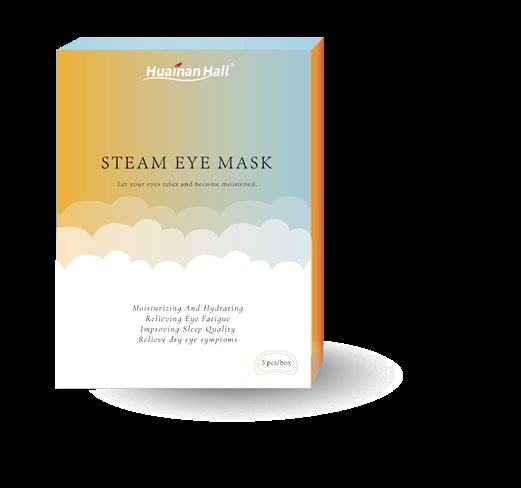
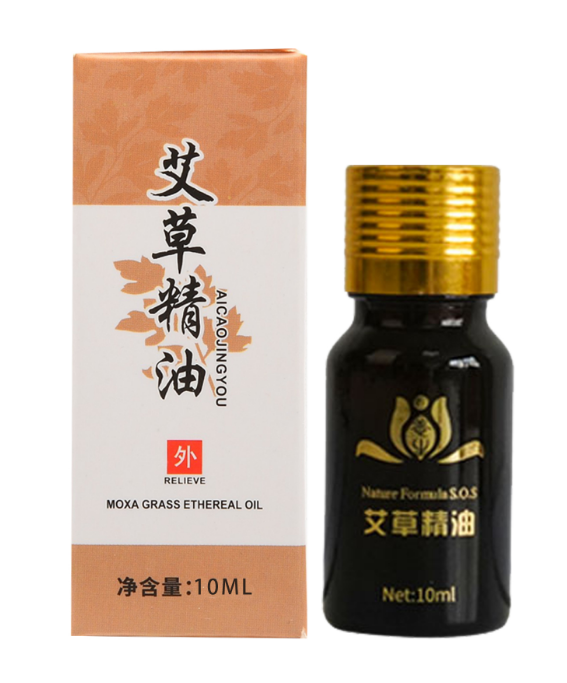
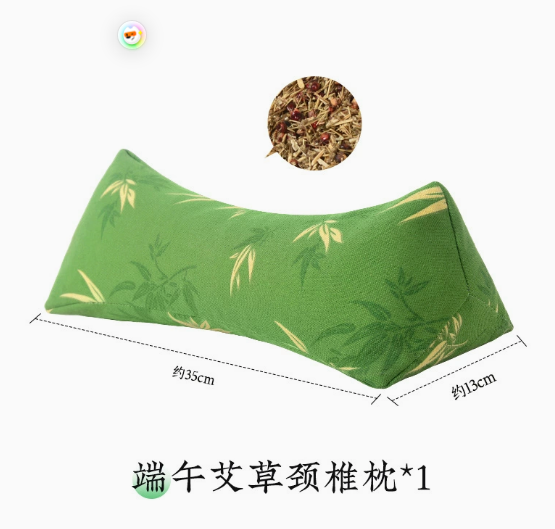
For wholesale buyers, this framing prevents an expensive error: mixing products whose instructions, shelf lives, odors, packaging needs and regulatory treatment do not belong together. A steam eye mask is a single-use heat-generating item. A 10 ml body oil is a liquid personal-care item. A cervical pillow is a textile article. A foot-bath sachet is a dry botanical preparation. They can share a retail story, but they cannot share one undifferentiated specification or one blanket claim.
Use occasions make the range legible. Travel reset favors compact, individually wrapped pieces that tolerate baggage handling. An evening foot ritual favors measured sachets, moisture protection and a simple preparation card. A botanical body-care discovery set favors controlled fill, closure compatibility and ingredient disclosure. A textile gift favors fabric hand feel, stitching, fill distribution and care information. A mixed wellness set can work, but only if every component has a reason to be present.
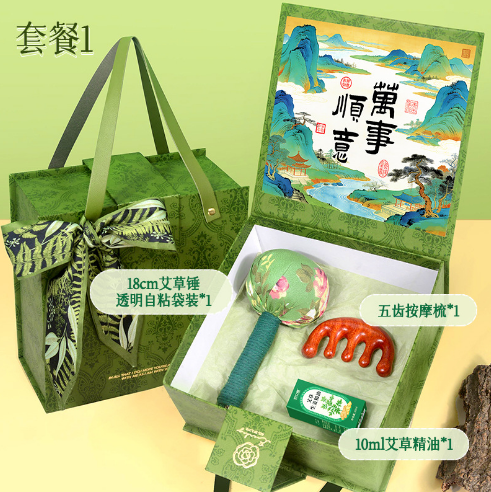
The public private-label gift-box example from Evo Komoribi illustrates a useful commercial principle: programs are built through component selection and branded presentation rather than by treating every finished set as a completely new factory invention. That approach supports modular development, but the buyer still needs to verify the actual components, pack-out and market requirements for its own SKU.
Begin assortment planning with four sentences: who receives it, when they open it, what they do first, and what they should keep afterward. Those sentences become a filter for component size, sequence, insert copy and price. They also give sales teams a clear account story that is more defensible than vague language about ancient wellness.
Sources for this section: [1]
Score components for gift readiness, not just unit appeal
A beautiful individual item may be a poor gift component if it creates leakage, odor transfer, dimensional instability or confusing instructions.
Gift readiness has five independent dimensions: presentation, physical compatibility, information readiness, operational reliability and replenishment value. Presentation asks whether the item looks intentional at the chosen price point. Physical compatibility asks whether it can share a carton without crushing, staining or scenting another item. Information readiness asks whether identity, ingredients or materials, use directions, warnings, net quantity and responsible-party details can be presented correctly. Operational reliability covers batch coding, pack-out accuracy and transit. Replenishment value asks whether the recipient can buy the hero item again.
A scorecard should be completed with real samples in the proposed arrangement. The buyer should not score from isolated supplier photographs because those conceal scale, reflectivity, pouch stiffness, surface finish and odor interaction. Place every item in the insert, close the box, store it in several orientations, and reopen it after handling. A liquid bottle that appears premium alone can become a liability if its dropper touches the lid or its label scuffs against a textile.
| Component concept | Intended role in the set | Readiness tests | Main rejection signal |
|—|—|—|—|
| Steam eye mask | Immediate-use travel or rest item | Pouch seal, activation consistency, fold tolerance, printed directions | Swollen pouch, uneven shape or unsupported benefit language |
| 10 ml mugwort body oil | Discovery-size hero or add-on | Fill weight, leakage, closure torque, label adhesion, ingredient panel | Oil migration, unclear formula identity or incompatible decoration |
| Mugwort cervical pillow | Durable textile anchor | Seam strength, fill distribution, odor, compression recovery, care label | Dust escape, uneven fill or vague fiber/material description |
| Foot-bath sachet | Measured evening ritual component | Net weight, sieve loss, sachet integrity, moisture exposure, preparation card | Powder leakage, dampness or medicinal promises |
| Mixed four-piece set | Curated retail story | Complete pack-out, insert accuracy, carton drop and count control | Random assortment, duplicated instructions or no hero product |
The scorecard should weight failures according to the recipient experience. A small shade variation on an inner sachet may be tolerable; a leaking oil is not. A slightly compressed textile may recover; missing directions will not. Establish non-negotiable defects before sampling and record them as pass/fail criteria rather than relying on a general impression of quality.
Gift readiness also includes replacement logic. If a retailer cannot reorder the consumable hero separately, the box may create interest without generating repeat sales. The line plan should show which component is permanent, which is consumable and which can be sold as a refill. That distinction affects barcodes, carton configuration and inventory forecasting.
| Component concept | Role in the set | Readiness tests | Reject when |
|---|---|---|---|
| Steam eye mask | Immediate-use travel item | pouch seal, activation, fold tolerance, directions | pouch is damaged, shape is inconsistent or claims are unsupported |
| 10 ml body oil | Discovery-size hero | fill, leakage, closure torque, label adhesion | oil migrates or formula identity is unclear |
| Mugwort cervical pillow | Durable textile anchor | seams, fill distribution, odor, recovery, care label | fill escapes or material description is vague |
| Foot-bath sachet | Measured ritual component | net weight, sachet integrity, moisture exposure | powder leaks or medicinal promises appear |
| Mixed set | Curated retail story | complete pack-out, insert, drop handling, count | components look random or instructions conflict |
Sources for this section: [1]
Build the cost from the inside out
Set economics are determined by component landed costs, packing labor, insert engineering and freight geometry—not by the empty box price.
Buyers often begin by asking for a premium rigid box. That reverses the commercial sequence. First establish the target retail, channel margin, duty and freight allowance, damage reserve, marketing allowance and desired gross margin. The residual amount is the maximum landed product cost. Only then allocate a cost ceiling among the hero item, supporting components, primary packs, insert, outer carton and assembly.
A gift set creates hidden work. Different components may arrive from separate factories, at different lead times and in different master-carton quantities. Someone must inspect them, reconcile counts, quarantine nonconforming units, remove or retain supplier packaging, place them in the correct cavities, apply batch or set labels, and close the finished carton. A low component price does not compensate for repeated rework or an insert that fits only one production lot.
Dimensional weight can overturn the margin model. A pillow-led set may look generous but ship as air. A rigid box can raise volumetric freight and warehouse space while adding little consumer value. A folding carton, sleeve or reusable textile pouch may produce a better delivered experience for the same landed cost. Prototype at actual dimensions and request packed carton data rather than estimating from hero photography.
Use three cost scenarios. The base case assumes planned quantities and ordinary rejection. The stress case models one component arriving late, extra inspection, a higher freight rate and replacement of a damaged percentage. The scale case models a repeat order with standardized components and consolidated packing. If the business works only in the scale case, it is not ready for launch.
Cost should also be assigned to complexity. Each extra component adds a supplier schedule, specification, approval, count, label surface and potential customer-service question. The fourth item must contribute more perceived value than the operational burden it introduces. For many first programs, two useful pieces plus a strong insert outperform six minor pieces.
A commercial quotation should separate component prices, decoration, mold or plate charges, insert and box, assembly, inspection, testing, export packing and freight assumptions. This lets the buyer remove or change one element without restarting the entire negotiation. It also reveals whether a headline set price depends on unapproved substitutions.
Sources for this section: [1]
Test the completed pack as one product system
Individual component approval is necessary but insufficient; the assembled set must survive storage, transport, unboxing and count verification.
The completed gift set has failure modes that no component report can predict. Fragrance can migrate from a botanical sachet into a textile. Oil can soften ink or adhesive. A heat-generating mask pouch can be punctured by a decorative accessory. Heavy bottles can escape an insert during drops. Paper instructions can wrinkle when packed beside a moisture-sensitive product. The pilot must reproduce the exact materials and arrangement intended for production.
Start with an assembly map. Photograph every cavity and orientation, assign a component code, define whether retail barcodes face outward, and specify how inserts are folded. Create a golden set and a controlled bill of materials. The packer should be able to verify the set without interpreting marketing copy. A count-and-weight check can catch missing pieces, but it does not replace visual inspection where components have similar weights.
Run transport-oriented checks appropriate to the route: vibration or repeated handling simulation, edge and corner drops, compression, warm storage, cold storage where relevant, and orientation changes. The purpose is not to claim a universal certification. It is to find practical failure points before commercial inventory travels. Record test conditions, sample quantities and observations so later lots can be compared.
Mixed materials require an odor and staining study. Keep closed sets under defined conditions, then have reviewers open them without seeing which storage condition was used. Inspect textiles and printed surfaces under neutral light. If a botanical odor is part of the concept, define an acceptable range and prevent it from overwhelming unrelated components. Avoid describing a strong odor as proof of purity; intensity can vary for many reasons.
Pack-out quality control should sample both the start and end of an assembly run. Verify set code, component lot linkage, count, orientation, cosmetic condition, insert version, outer marks and master-carton quantity. Where several suppliers feed one set, the traceability record should allow a complaint to be narrowed to the relevant component lot rather than condemning the entire program.
A pilot is successful only when operations can repeat it. The buyer should approve photographs, inspection criteria, packed dimensions and the assembly instruction—not merely the first presentation sample. Retail gifting punishes small inconsistencies because recipients compare the experience with the promise conveyed by the outer box.
Sources for this section: [1]
Write one set story while preserving component truth
The outer narrative may unite the assortment, but every regulated or functional component keeps its own identity, directions, warnings and evidence needs.
A set-level story should describe the sequence and sensory context: open, prepare, use and keep. It should not merge distinct products into one therapeutic promise. Phrases about treating pain, changing circulation, improving sleep, correcting vision, detoxifying the body or preventing disease create risk and are not supported by the cited gift-program evidence. Traditional association may be described carefully as context, but tradition is not proof that a finished SKU produces a modern health outcome.
For a personal-care component, U.S. presentation can affect whether claims imply a drug use; FDA explains that intended use expressed through claims matters. In the EU, cosmetic claims are subject to common criteria including evidential support. These official references do not classify every gift set automatically. They show why the buyer must review each exact formula, purpose and claim instead of assuming that a gift box makes component obligations disappear.
The cleanest copy system has three layers. The outer layer names the occasion and the components. A shared insert explains the order of use and practical handling. Each component carries its own identity, quantity, ingredients or materials where applicable, warnings, business details and lot information according to the destination-market review. The insert should never be the only place for information that must remain with the item after removal.
Translate after the source instructions have been technically approved. Decorative translation made before formula and use are frozen creates version drift. Maintain a copy matrix showing every surface, language, owner, approval date and evidence reference. When a claim is removed from the carton, confirm that it is also removed from the product page, marketplace feed, distributor sheet and influencer brief.
Set names should remain portable. Names such as Travel Pause, Evening Foot Ritual or Botanical Discovery describe occasion and content without promising a physiological result. A name built around cure, detox, therapy or guaranteed relief can force a more difficult review across every channel. Good naming reduces explanation while leaving the exact component information visible.
The responsibility boundary is straightforward: component factories manufacture to the approved specifications and supply agreed records; the assembly party controls the approved pack-out; Moxa Sourcing coordinates specifications, samples, evidence requests and inspections within the agreed scope; the buyer or importer determines destination classification, permitted claims, labeling, registrations, customs strategy and final market release for the exact set.
Make the assortment readable on shelf and in a product feed
A gift system must communicate through a thumbnail, a carton face and a retail data record as clearly as it does in a styled photograph.
Gift development often ends with the physical sample, but the commercial item also needs a usable digital identity. Give each finished set its own code, barcode plan, plain-language contents line, packed dimensions, net quantity treatment and image list. Record component codes beneath the set code so inventory and customer service can trace what was packed. A distributor should not have to open a presentation box to discover which variant it received.
Plan photography while engineering the insert. The closed view communicates price and occasion; the open view proves contents; the overhead view explains arrangement; component views make sizes understandable; and one scale reference prevents disappointment. Avoid digital compositions that show items not included or alter container proportions. If botanicals are styled around the set, caption or crop them so shoppers do not mistake decoration for formula content.
Retail faces have a strict hierarchy. The front should carry the brand, set name and concise contents cue. Side or back panels can carry component enumeration, handling information and business details subject to market review. Do not solve an overcrowded layout by shrinking essential text below practical readability. If several languages are required, consider a controlled leaflet or market-specific sleeve rather than forcing every language onto one universal carton.
Product-feed data should distinguish the set from its replenishment SKUs. Use consistent names for sizes and formats, maintain accurate weights, and state whether accessories are included. Prepare alt text and descriptive captions that identify visible objects rather than repeating aspirational slogans. Search usefulness comes from clear entities—mugwort body oil, steam eye mask, cervical pillow, foot-bath sachet, gift set—not from stacking wellness adjectives.
Ask sales representatives to perform a ten-second test with the final images and copy. Can they name the recipient, hero item, use sequence and price tier without opening a specification sheet? Then ask operations to perform the opposite test: can they identify the exact component versions, insert version and carton configuration without relying on the lifestyle story? A launch-ready set must pass both tests.
Finally, decide how changes propagate. If one bottle, pouch or textile size changes, the insert cavity, photographs, contents statement, packed dimensions and perhaps master carton all need review. A change-control record is not bureaucracy; it prevents the website from selling yesterday’s configuration while the assembly line packs today’s.
Sources for this section: [1]
Pilot the range as a small retail architecture
Launch with a hero, a supporting set and a controlled custom option rather than dozens of nearly identical gift boxes.
A practical opening architecture contains three price levels. The entry item is a giftable single product, such as an individually presented steam eye mask pack or discovery oil. The middle tier pairs one consumable hero with one durable or tactile support. The premium tier uses a textile or multi-step ritual, but limits the number of component factories. This creates visible choice without splitting inventory across excessive designs.
The hero should be the item the retailer wants customers to replenish. The supporting element should explain or improve the occasion rather than merely fill space. A printed ritual card can be valuable if it reduces confusion. A random trinket is usually not. The box should make the hero easy to identify within seconds because retail staff and ecommerce imagery have limited time to communicate the offer.
For a first order, freeze a pilot quantity by finished set rather than accepting unrelated component MOQs without reconciliation. Ask how excess components will be handled, whether shortages permit partial pack-out, which substitutions require written approval, and who owns unused custom packaging. Align component lead times to the critical path. A delayed sleeve should not leave time-sensitive goods waiting indefinitely.
An assortment review should compare sell-through purpose, not only aesthetics. Travel sets need portability and individual protection. Spa retail needs tester and replenishment logic. Corporate gifting needs a clean message area, predictable assembly and delivery-date discipline. Seasonal ecommerce needs compact freight dimensions and photography-ready presentation. One universal box rarely serves all four channels.
The gift-specific RFQ should request: recipient and occasion; target retail and landed-cost ceiling; proposed hero and support items; exact component codes; formulas, ingredients or material descriptions; individual pack dimensions; minimums by component and finished set; decoration method; insert construction; copy languages; component shelf-life or storage information where relevant; set assembly site; batch-linkage method; inspection plan; packed dimensions; master-carton count; pilot quantity; substitution rules; and timeline to delivery.
Approval gates should be named. Gate one confirms the range logic and target economics. Gate two approves component samples and individual information. Gate three approves the white pack-out with actual dimensions. Gate four approves decorated preproduction units and copy. Gate five releases assembly after incoming component inspection. This sequence keeps creative enthusiasm from outrunning operational evidence.
Retail gifting succeeds when the set feels inevitable: every object belongs, every instruction is findable, the price ladder makes sense, and replenishment is possible. The merchandising task is therefore curation under constraints. A tightly built four-SKU program can establish more trust than twenty boxes that differ only by ribbon.
Sources and evidence notes
Public sources help frame terminology, specifications and buyer questions. They do not prove that every factory, formula or destination-market requirement is identical.
- [1]
Private-Label Retail Gift Box ProgramEvo Komoribi · manufacturer · accessed 2026-08-27
Public manufacturer example showing component selection, private-label packaging and gift-program structure.
- [2]
Cosmetics Labeling ClaimsU.S. Food and Drug Administration · regulator · accessed 2026-08-27
Supports the U.S. distinction between cosmetic presentation and claims that may cause drug classification.
- [3]
Commission Regulation (EU) No 655/2013 on Cosmetic ClaimsEUR-Lex, European Union · regulator · accessed 2026-08-27
Supports the requirement that cosmetic claims have evidence proportionate to the claim.
How this guide was prepared
Moxa Sourcing Editorial Team
The team translates supplier references, product samples and China-side sourcing workflows into practical English guidance for overseas buyers.
Moxa Sourcing Supply Review Team
The review team checks supplier attribution, commercial boundaries, product specifications and statements that require sample or market-specific verification.
Product availability, MOQ, price and production specifications are reconfirmed against the selected supplier reference. The buyer / importer remains responsible for destination classification, registration, final claims and customs clearance.