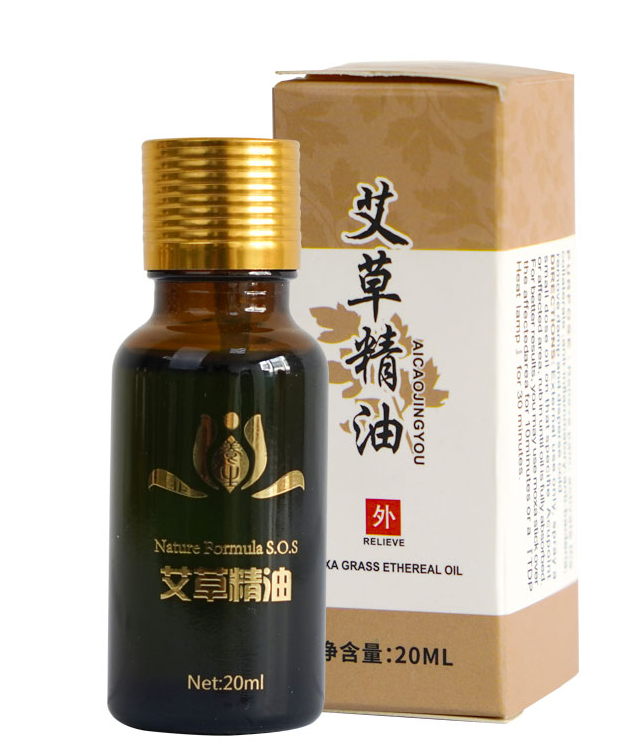
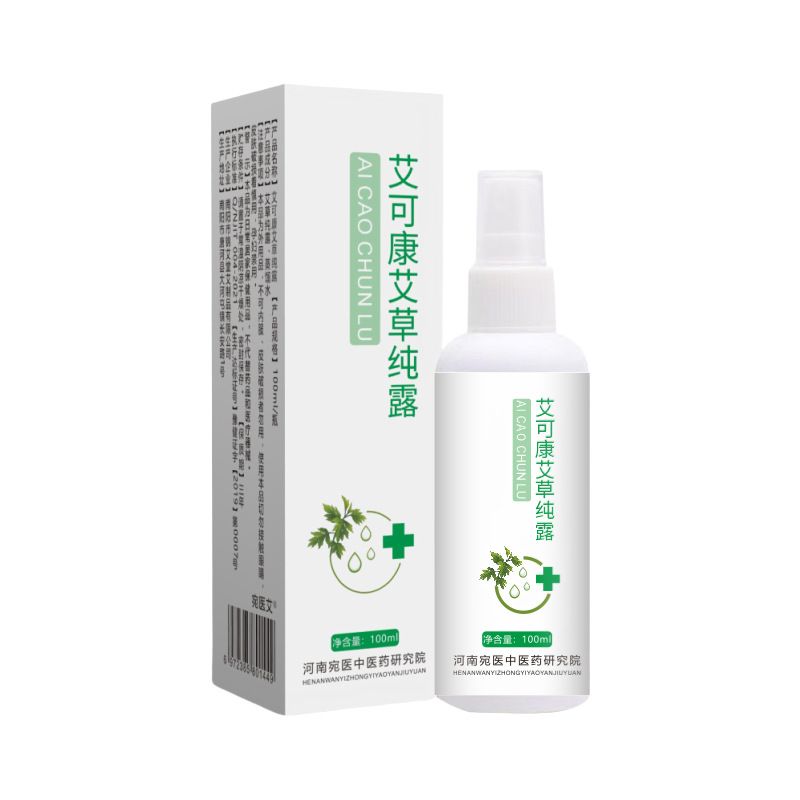
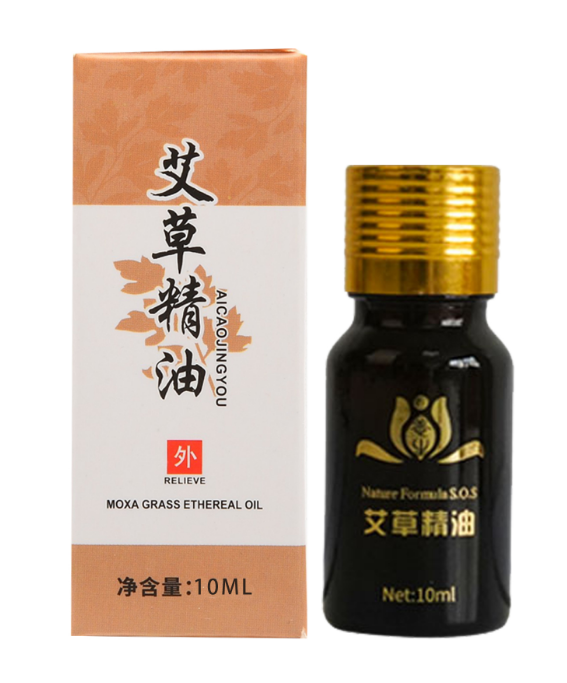
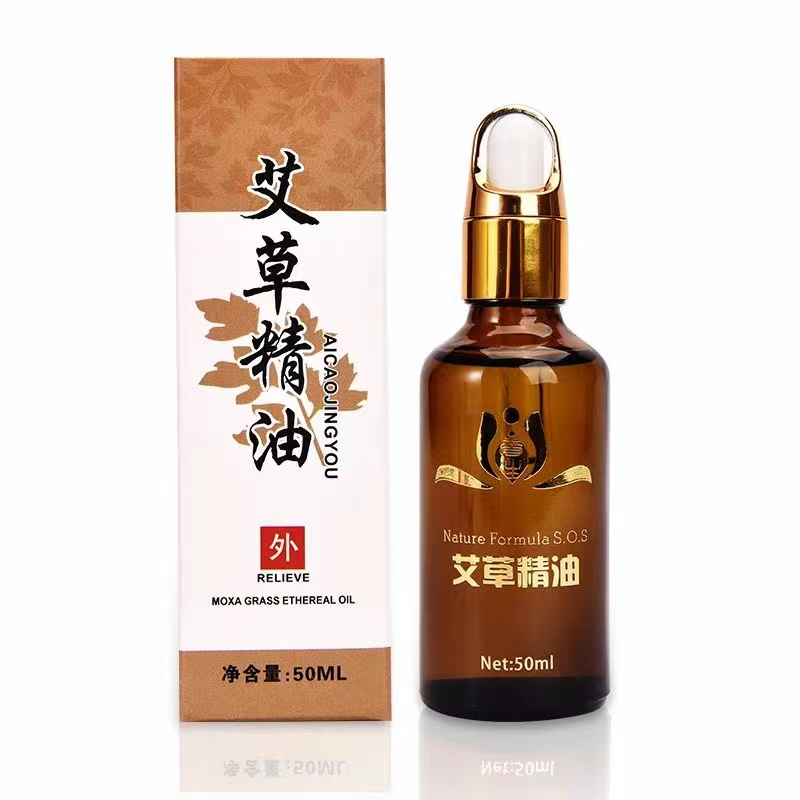
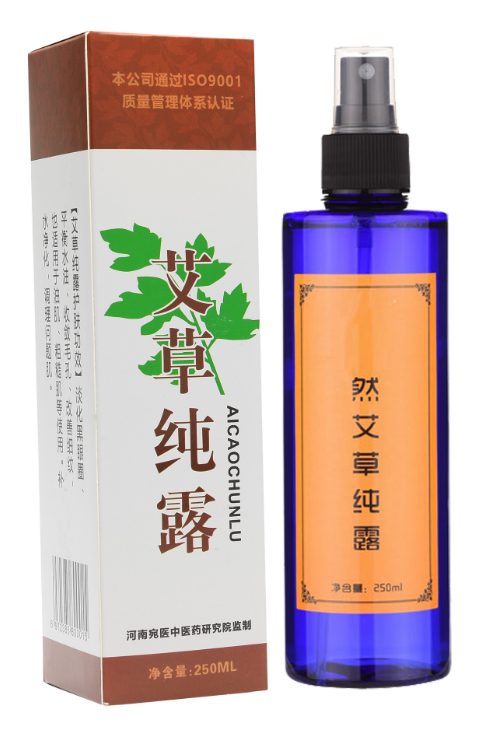
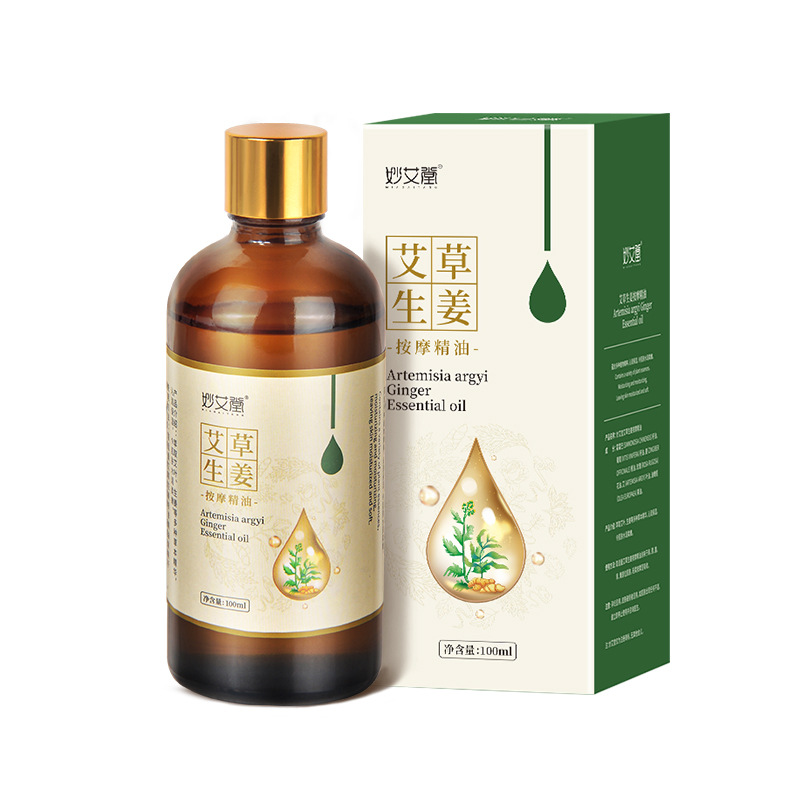
Distinguish mugwort body oils, massage oils, essential-oil ingredients and hydrosols through formula identity, INCI, preservation and packaging.
Mugwort liquid is not a technical identity
Volume and botanical artwork cannot tell a buyer whether the bottle contains a carrier blend, concentrated ingredient or aqueous distillate.
A 20 ml bottle might be a finished body oil, a concentrate or an aromatic blend. A 100 ml spray might be a hydrosol, preserved hydrosol formula, extract solution or fragranced water. The supplier must state the finished identity in plain language and support it with formula records.
Botanical information needs scientific name, plant part and extraction or distillation method where relevant. If a product is diluted, record concentration and carriers. If it is compounded after distillation, the finished formula—not the hero plant—controls the product identity.
The current range separates 10, 20 and 50 ml body oils, a 100 ml mugwort-and-ginger massage oil, and 100 or 250 ml hydrosol platforms. Size creates a channel role but cannot transform one liquid class into another.
A precise brief might say: finished anhydrous body oil containing a stated mugwort-derived input in named carriers; or water-based mugwort hydrosol spray with a disclosed preservation system. That sentence aligns formulation, label and buyer expectations.
| Liquid | Commercial identity | Minimum dossier | Main risk |
|---|---|---|---|
| Body oil | finished anhydrous leave-on blend | carrier oils, botanical inputs, antioxidants, fragrance, concentration | oxidation, sensory drift and closure interaction |
| Massage oil | finished product for longer application | slip, carrier system, formula, directions and dispenser | exposure assumptions and backbar handling |
| Essential-oil ingredient | concentrated volatile raw material | species, plant part, extraction, batch composition and dilution status | selling concentrate as ready-to-use |
| Hydrosol | aqueous distillation phase or finished water formula | distillation identity, complete formula, preservation and microbiology | water-based contamination and identity |
| Botanical water | compounded water with extracts or fragrance | all ingredients, processing and truthful name | calling compounded water pure hydrosol |
Keep batch formula and label nomenclature as linked records
Composition describes what is made; the destination ingredient declaration describes how it is named for sale.
The batch formula lists every component and quantity. The ingredient declaration translates those components into names and order accepted in the target market. Both are required. Marketing terms such as mugwort essence are insufficient for assessment or production control.
Carrier oils, antioxidant, fragrance, color and other inputs should be named. Massage oil also needs directions and exposure assumptions. Hydrosol must state whether it is raw distillate, preserved distillate or a more complex personal-care spray.
FDA’s U.S. overview identifies product identity, net contents, business information and ingredient declaration among cosmetic-label topics. EU cosmetics legislation has a responsible-person and safety framework. Neither creates a generic global artwork file.
Version control becomes critical during small customization. Changing fragrance, carrier, preservative or botanical concentration produces a new formula revision. Stability, compatibility, assessment and label evidence must be mapped to that revision.
Supplier confidentiality can be managed contractually, but it cannot justify an unknown finished formula. The buyer’s technical and market reviewers need enough information to complete their responsibilities.
| Record | Question | Release owner |
|---|---|---|
| Percentage formula | What is manufactured? | factory/formulator and buyer technical review |
| Material specifications | Which botanical and functional inputs? | factory and input suppliers |
| Ingredient draft | How are components declared? | buyer/importer market review |
| Claims inventory | What does the brand communicate? | brand and qualified reviewer |
| Revision register | Which evidence belongs to which formula? | Moxa Sourcing coordination |
Oils and hydrosols fail in different ways
Anhydrous formulas emphasize oxidation and pack interaction; water-based sprays require microbiological and preservation strategy.
For body and massage oils, review raw-material age and relevant quality indicators, antioxidant strategy, oxygen and light exposure, odor and color drift. A dark bottle can help positioning or protection but does not establish shelf life.
Dispensing is part of stability. Droppers, reducers and pumps must suit viscosity. Oils may soften liners, lift labels or interact with decoration. Test filled units upright, sideways and inverted after relevant conditioning.
Hydrosols raise water-quality, manufacturing-hygiene, preservation, microbiology and consumer-use questions. Preservative-free is not automatically safer. The buyer’s assessor should select methods and acceptance based on the exact formula and destination.
A 100 ml and 250 ml hydrosol can share a base, yet headspace, sprayer, usage period and channel differ. Refill or backbar formats should not inherit retail-spray assumptions without review.
Shelf-life language should connect formula and primary pack. A report on bulk liquid or another closure is incomplete when the customer receives a decorated bottle with a sprayer.
- Oil: oxidation, odor, color, viscosity and closure.
- Hydrosol: preservation, microbiology and dispensing hygiene.
- Both: fill, leakage, decoration, transit and storage.
- Evidence must match finished formula and pack.
Use volume as a portfolio ladder
Each size should have a job in acquisition, retail, professional use or gifting rather than becoming isolated inventory.
A 10 ml oil can serve discovery, travel or gift inclusion, though component cost and label space are high. A 20 ml product can become a compact hero. A 50 ml bottle offers a conventional retail value proposition. Channel economics should validate those roles.
The 100 ml massage oil can support spa or home application with controlled dispensing. A 100 ml hydrosol is a practical retail spray. A 250 ml version may suit backbar or refill only after transfer hygiene, closure and consumer-use questions are addressed.
Moving from 20 to 50 ml requires packaging compatibility, fill and label review even if formula stays constant. Changing from body oil to massage oil is a new product identity and use pattern, not a bottle-size extension.
Gift sets can link oil and hydrosol in one botanical narrative while preserving separate formula and evidence files. Their labels, microbiology, oxidation and classification work do not merge.
Retire formats that cannot justify their component MOQ or channel. A disciplined ladder can generate more repeat business than six volumes with shallow differentiation.
| Format | Portfolio job | Pre-launch decision |
|---|---|---|
| 10 ml oil | trial/travel/gift | component cost, leakage, readable label |
| 20 ml oil | compact hero | formula identity, closure, price position |
| 50 ml oil | repeat retail | stability, dispensing, margin |
| 100 ml massage oil | professional or extended use | slip, pump and directions |
| 100 ml hydrosol | retail spray | microbiology and spray performance |
| 250 ml hydrosol | backbar/refill/value | transfer hygiene and closure |
Sources for this section: [1]
Give every sensory approval a technical shadow
Color, aroma, slip and spray are legitimate commercial attributes only when tied to formula and pack.
Use anchored language rather than premium. For oils, record color range, odor character and intensity, viscosity, spread, residue and after-feel. For hydrosol, add clarity, odor, spray pattern and visible change. These are not efficacy measures.
Retain sealed golden samples with formula, component codes, sample or batch, date and storage. Compare pilot and shipment units under similar conditions. Define permitted botanical variation rather than demanding impossible sameness.
Filled-pack trials measure sprayer or pump output, priming, cap engagement, fill, leakage and label resistance. Empty components assist visual selection; they cannot approve formula compatibility.
The quality plan should focus on failures that damage the channel: rancid odor, parcel leakage, weak spray, microbial failure, wrong ingredients or mixed artwork. These require different owners and methods.
Complaint planning belongs in launch readiness. Lot coding and retained samples make a later odor, leakage or spray complaint investigable rather than anecdotal.
| Product | Sensory anchor | Technical companion |
|---|---|---|
| Body oil | odor, color, spread, residue | formula, oxidation plan, fill and closure |
| Massage oil | slip, working feel, dispensing | formula, use directions and pump output |
| Hydrosol | clarity, aroma, spray feel | microbiology, preservation, output and stability |
Quote formula, component and market work separately
Liquid price alone cannot be compared when one offer excludes assessment, stability, decoration or bottle minimums.
RFQs should state liquid identity, formula information, net contents, bottle and closure, decoration, carton, quantity, annual estimate, destination and claims position. Request formula-batch, bottle, sprayer, print and carton minimums separately.
List evidence available for the exact formula and identify missing work. A mature base may shorten development, but changing fragrance, carrier, preservative or pack can invalidate previous stability or compatibility assumptions.
Responsibility needs only one clear paragraph: the factory makes the approved formula and provides agreed records; Moxa Sourcing coordinates sources, samples, specifications and checkpoints; the buyer/importer owns destination assessment, responsible-person duties, ingredients review, label, claims, registration and clearance.
Ingredient research must not be used as finished-product substantiation. A sound proposition can rely on truthful identity, sensory consistency, dispensing and packaging evidence actually held.
Compare stock formula, light private label and custom formulation as different projects. The suitable path may differ across the portfolio: an existing 20 ml formula for launch and a custom massage oil after demand is proven.
Portfolio note 1: Body oil remains finished anhydrous leave-on blend. Its dossier needs carrier oils, botanical inputs, antioxidants, fragrance, concentration; the dominant risk is oxidation, sensory drift and closure interaction. Before adding a size, scent or closure, determine which formula evidence can bridge and which filled-pack checks must be repeated.
Portfolio note 2: Massage oil remains finished product for longer application. Its dossier needs slip, carrier system, formula, directions and dispenser; the dominant risk is exposure assumptions and backbar handling. Before adding a size, scent or closure, determine which formula evidence can bridge and which filled-pack checks must be repeated.
Portfolio note 3: Essential-oil ingredient remains concentrated volatile raw material. Its dossier needs species, plant part, extraction, batch composition and dilution status; the dominant risk is selling concentrate as ready-to-use. Before adding a size, scent or closure, determine which formula evidence can bridge and which filled-pack checks must be repeated.
Portfolio note 4: Hydrosol remains aqueous distillation phase or finished water formula. Its dossier needs distillation identity, complete formula, preservation and microbiology; the dominant risk is water-based contamination and identity. Before adding a size, scent or closure, determine which formula evidence can bridge and which filled-pack checks must be repeated.
Portfolio note 5: Botanical water remains compounded water with extracts or fragrance. Its dossier needs all ingredients, processing and truthful name; the dominant risk is calling compounded water pure hydrosol. Before adding a size, scent or closure, determine which formula evidence can bridge and which filled-pack checks must be repeated.
Portfolio note 6: Body oil remains finished anhydrous leave-on blend. Its dossier needs carrier oils, botanical inputs, antioxidants, fragrance, concentration; the dominant risk is oxidation, sensory drift and closure interaction. Before adding a size, scent or closure, determine which formula evidence can bridge and which filled-pack checks must be repeated.
Portfolio note 7: Massage oil remains finished product for longer application. Its dossier needs slip, carrier system, formula, directions and dispenser; the dominant risk is exposure assumptions and backbar handling. Before adding a size, scent or closure, determine which formula evidence can bridge and which filled-pack checks must be repeated.
Portfolio note 8: Essential-oil ingredient remains concentrated volatile raw material. Its dossier needs species, plant part, extraction, batch composition and dilution status; the dominant risk is selling concentrate as ready-to-use. Before adding a size, scent or closure, determine which formula evidence can bridge and which filled-pack checks must be repeated.
Portfolio note 9: Hydrosol remains aqueous distillation phase or finished water formula. Its dossier needs distillation identity, complete formula, preservation and microbiology; the dominant risk is water-based contamination and identity. Before adding a size, scent or closure, determine which formula evidence can bridge and which filled-pack checks must be repeated.
Portfolio note 10: Botanical water remains compounded water with extracts or fragrance. Its dossier needs all ingredients, processing and truthful name; the dominant risk is calling compounded water pure hydrosol. Before adding a size, scent or closure, determine which formula evidence can bridge and which filled-pack checks must be repeated.
Portfolio note 11: Body oil remains finished anhydrous leave-on blend. Its dossier needs carrier oils, botanical inputs, antioxidants, fragrance, concentration; the dominant risk is oxidation, sensory drift and closure interaction. Before adding a size, scent or closure, determine which formula evidence can bridge and which filled-pack checks must be repeated.
Portfolio note 12: Massage oil remains finished product for longer application. Its dossier needs slip, carrier system, formula, directions and dispenser; the dominant risk is exposure assumptions and backbar handling. Before adding a size, scent or closure, determine which formula evidence can bridge and which filled-pack checks must be repeated.
Portfolio note 13: Essential-oil ingredient remains concentrated volatile raw material. Its dossier needs species, plant part, extraction, batch composition and dilution status; the dominant risk is selling concentrate as ready-to-use. Before adding a size, scent or closure, determine which formula evidence can bridge and which filled-pack checks must be repeated.
Portfolio note 14: Hydrosol remains aqueous distillation phase or finished water formula. Its dossier needs distillation identity, complete formula, preservation and microbiology; the dominant risk is water-based contamination and identity. Before adding a size, scent or closure, determine which formula evidence can bridge and which filled-pack checks must be repeated.
Portfolio note 15: Botanical water remains compounded water with extracts or fragrance. Its dossier needs all ingredients, processing and truthful name; the dominant risk is calling compounded water pure hydrosol. Before adding a size, scent or closure, determine which formula evidence can bridge and which filled-pack checks must be repeated.
Portfolio note 16: Body oil remains finished anhydrous leave-on blend. Its dossier needs carrier oils, botanical inputs, antioxidants, fragrance, concentration; the dominant risk is oxidation, sensory drift and closure interaction. Before adding a size, scent or closure, determine which formula evidence can bridge and which filled-pack checks must be repeated.
Portfolio note 17: Massage oil remains finished product for longer application. Its dossier needs slip, carrier system, formula, directions and dispenser; the dominant risk is exposure assumptions and backbar handling. Before adding a size, scent or closure, determine which formula evidence can bridge and which filled-pack checks must be repeated.
Portfolio note 18: Essential-oil ingredient remains concentrated volatile raw material. Its dossier needs species, plant part, extraction, batch composition and dilution status; the dominant risk is selling concentrate as ready-to-use. Before adding a size, scent or closure, determine which formula evidence can bridge and which filled-pack checks must be repeated.
Portfolio note 19: Hydrosol remains aqueous distillation phase or finished water formula. Its dossier needs distillation identity, complete formula, preservation and microbiology; the dominant risk is water-based contamination and identity. Before adding a size, scent or closure, determine which formula evidence can bridge and which filled-pack checks must be repeated.
Portfolio note 20: Botanical water remains compounded water with extracts or fragrance. Its dossier needs all ingredients, processing and truthful name; the dominant risk is calling compounded water pure hydrosol. Before adding a size, scent or closure, determine which formula evidence can bridge and which filled-pack checks must be repeated.
Portfolio note 21: Body oil remains finished anhydrous leave-on blend. Its dossier needs carrier oils, botanical inputs, antioxidants, fragrance, concentration; the dominant risk is oxidation, sensory drift and closure interaction. Before adding a size, scent or closure, determine which formula evidence can bridge and which filled-pack checks must be repeated.
Portfolio note 22: Massage oil remains finished product for longer application. Its dossier needs slip, carrier system, formula, directions and dispenser; the dominant risk is exposure assumptions and backbar handling. Before adding a size, scent or closure, determine which formula evidence can bridge and which filled-pack checks must be repeated.
Portfolio note 23: Essential-oil ingredient remains concentrated volatile raw material. Its dossier needs species, plant part, extraction, batch composition and dilution status; the dominant risk is selling concentrate as ready-to-use. Before adding a size, scent or closure, determine which formula evidence can bridge and which filled-pack checks must be repeated.
Portfolio note 24: Hydrosol remains aqueous distillation phase or finished water formula. Its dossier needs distillation identity, complete formula, preservation and microbiology; the dominant risk is water-based contamination and identity. Before adding a size, scent or closure, determine which formula evidence can bridge and which filled-pack checks must be repeated.
Portfolio note 25: Botanical water remains compounded water with extracts or fragrance. Its dossier needs all ingredients, processing and truthful name; the dominant risk is calling compounded water pure hydrosol. Before adding a size, scent or closure, determine which formula evidence can bridge and which filled-pack checks must be repeated.
Portfolio note 26: Body oil remains finished anhydrous leave-on blend. Its dossier needs carrier oils, botanical inputs, antioxidants, fragrance, concentration; the dominant risk is oxidation, sensory drift and closure interaction. Before adding a size, scent or closure, determine which formula evidence can bridge and which filled-pack checks must be repeated.
Portfolio note 27: Massage oil remains finished product for longer application. Its dossier needs slip, carrier system, formula, directions and dispenser; the dominant risk is exposure assumptions and backbar handling. Before adding a size, scent or closure, determine which formula evidence can bridge and which filled-pack checks must be repeated.
- Finished liquid identity
- Complete formula and botanical record
- Target market and intended use
- Volume and component codes
- Decoration and carton
- Stability/microbiology/compatibility
- MOQ by cost block
- Pilot and inspection
Sources and evidence notes
Public sources help frame terminology, specifications and buyer questions. They do not prove that every factory, formula or destination-market requirement is identical.
- [1]
Summary of Cosmetics Labeling RequirementsU.S. Food and Drug Administration · regulator · accessed 2026-08-27
Supports U.S. label elements such as identity, net contents, business information and ingredient declaration.
- [2]
Importing CosmeticsU.S. Food and Drug Administration · regulator · accessed 2026-08-27
Supports importer-side responsibility for accurate entry information, labeling and compliance of imported cosmetics.
- [3]
EU Cosmetics LegislationEuropean Commission · regulator · accessed 2026-08-27
Official entry point for current EU cosmetics legislation; applicability depends on the finished product and market role.
How this guide was prepared
Moxa Sourcing Editorial Team
The team translates supplier references, product samples and China-side sourcing workflows into practical English guidance for overseas buyers.
Moxa Sourcing Supply Review Team
The review team checks supplier attribution, commercial boundaries, product specifications and statements that require sample or market-specific verification.
Product availability, MOQ, price and production specifications are reconfirmed against the selected supplier reference. The buyer / importer remains responsible for destination classification, registration, final claims and customs clearance.