Compare mugwort wholesale, private label and managed sourcing by uncertainty, committed cash, control, workload, risk and the evidence needed to progress.
Choose the model by the uncertainty you are paying to remove
Wholesale, private label and managed sourcing are not price tiers; they allocate product uncertainty, customization work and supplier coordination differently.
A buyer choosing among mugwort wholesale, private label and managed sourcing should begin with what is unknown. If demand is unknown but an existing product is acceptable, the priority is speed and a reversible inventory bet. If demand is partly proven and brand ownership matters, the priority becomes controlled differentiation. If the product brief spans factories, formats or evidence gaps, the priority is coordination and decision quality. The cheapest quotation is rarely the cheapest path when it solves the wrong uncertainty.
Wholesale purchases a defined supplier SKU with limited changes. Private label takes a validated or lightly adapted platform and presents it under the buyer’s brand. Managed sourcing is a service model in which requirements, supplier options, sampling, evidence requests, quality controls and handoffs are coordinated across a defined project. Full OEM or ODM sits beyond these three when formulation, construction or tooling changes materially; it can be useful, but it carries a longer validation path.
| Model | What the buyer is primarily buying | Suitable starting condition | Main advantage | Main exposure | |—|—|—|—|—| | Existing-SKU wholesale | Finished, already specified goods | Demand unproven; speed matters | Fastest sample-to-order path | Low exclusivity and supplier-defined presentation | | Private label | Brand control on an approved product platform | Channel fit is plausible; repeat potential exists | Differentiation without inventing everything | Packaging MOQ, copy ownership and change control | | Managed sourcing | Coordinated search, comparison and execution | Brief crosses suppliers or evidence is fragmented | Better option visibility and one project rhythm | Service scope and decision rights must be explicit | | Full OEM/ODM | A materially changed product | Demand and economics justify development | Highest potential distinctiveness | Technical, time, validation and minimum-order risk | | Staged hybrid | Planned movement between models | Buyer wants learning before commitment | Capital follows evidence | Requires discipline to avoid permanent transition mode |
The decision can be expressed as a sequence. First ask whether an existing product can test the channel honestly. If yes, wholesale may be sufficient. If the product is acceptable but the brand and presentation need ownership, private label is the next step. If no single supplier platform answers the brief, or several specialist factories are needed, managed sourcing becomes valuable. Only move to deeper OEM or ODM when a specific, commercially important gap remains after those options are examined.
This framework prevents status-driven decisions. Private label is not automatically more professional than wholesale, and managed sourcing is not automatically more comprehensive than a capable direct factory relationship. Each model earns its cost only when it removes a named constraint.
| Model | Primary purchase | Suitable starting condition | Main exposure |
|---|---|---|---|
| Existing-SKU wholesale | finished, already specified goods | demand is unproven and speed matters | limited exclusivity and supplier-defined presentation |
| Private label | brand control on an approved platform | repeat potential and channel fit are plausible | packaging minimums, copy ownership and change control |
| Managed sourcing | coordinated options and execution | brief crosses suppliers or evidence is fragmented | scope and decision rights must be explicit |
| Full OEM/ODM | materially changed product | economics justify development | technical, time, validation and minimum-order risk |
| Staged hybrid | planned movement between models | learning should precede commitment | requires explicit graduation and stop gates |
Sources for this section: [3]
Wholesale is a demand test with bounded product control
Use wholesale when learning speed and low commitment are worth more than exclusivity.
In existing-SKU wholesale, the buyer selects a finished specification, pack configuration and available presentation from a supplier’s commercial range. Public trade listings commonly show formats, minimum-order fields and broad taxonomy, illustrating the model’s basic logic. The important distinction is that public availability is discovery evidence, not proof that the SKU meets a particular market’s classification, labeling, claims or documentation requirements.
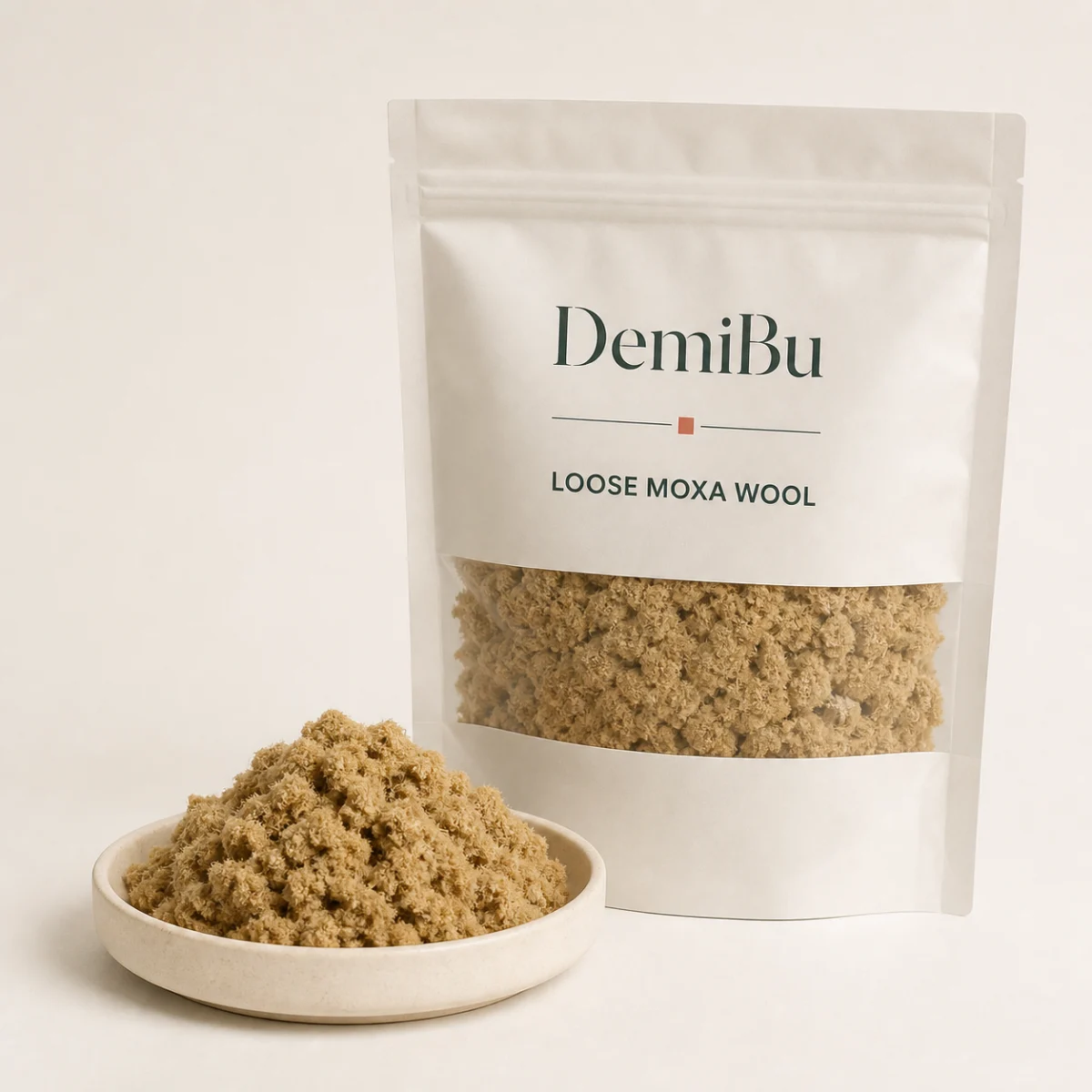
Wholesale performs well for assortment testing, distributor replenishment and specialist channels that value function and availability more than exclusive presentation. A buyer can compare real samples, learn which format generates inquiries, measure repeat purchase and observe customer questions before funding custom packaging. It is especially useful where the assortment includes several moxa forms and the business needs to identify the few that deserve deeper investment.
The limits are structural. The factory controls the base formula or construction, and another buyer may sell a similar item. Available carton counts can be mismatched with the buyer’s warehouse. Existing Chinese or generic packaging may not be suitable for the destination. Even when a neutral pack is offered, the buyer must confirm how identity, instructions, warnings, lot code and importer information will be handled.
Wholesale economics should include relabeling or overlabel work, inspection, consolidation, freight, duty, brokerage, local handling, returns and inventory aging. A low factory MOQ can still create poor economics if every small lot incurs separate export packing and logistics. Conversely, a slightly higher unit price from a reliable stock program can be rational if it reduces development time and enables a genuine market test.
Treat the first order as an experiment with defined questions. Which two or three formats convert? What objections appear? Does the customer accept the pack count? Which claims does the channel expect, and which can the buyer support? What damage or odor issues arise? The experiment should have a stop rule and a conversion rule: discontinue weak items, reorder proven ones, and nominate candidates for private label.
Wholesale fails when it is mistaken for a brand moat. If the buyer spends heavily on demand generation while offering a supplier-standard product with no controlled presentation or service advantage, the channel can copy the assortment. The value of wholesale is learning and turnover, not permanent protection.
Sources for this section: [3]
Private label converts a proven platform into a controlled market asset
Private label is appropriate when the buyer knows which product deserves brand investment and can manage packaging, copy and repeat-order commitments.
Private label begins with an approved product platform, not a logo file. The buyer freezes the formula or construction, size, primary container, performance criteria and acceptable tolerances, then builds a controlled brand layer around it. Changes may be modest—label, carton, color, pack count—or more involved, but the model remains private label only while the underlying platform stays substantially validated and repeatable.
The economic step-up comes from packaging quantities, decoration setup, artwork, language versions, testing or evidence work, preproduction samples and obsolete-material risk. Custom cartons may have a higher minimum than the filled product. If the buyer orders several languages or channel-specific claims, each version fragments that minimum. A real private-label budget therefore includes packaging exposure, not just the factory’s per-unit filling or production price.
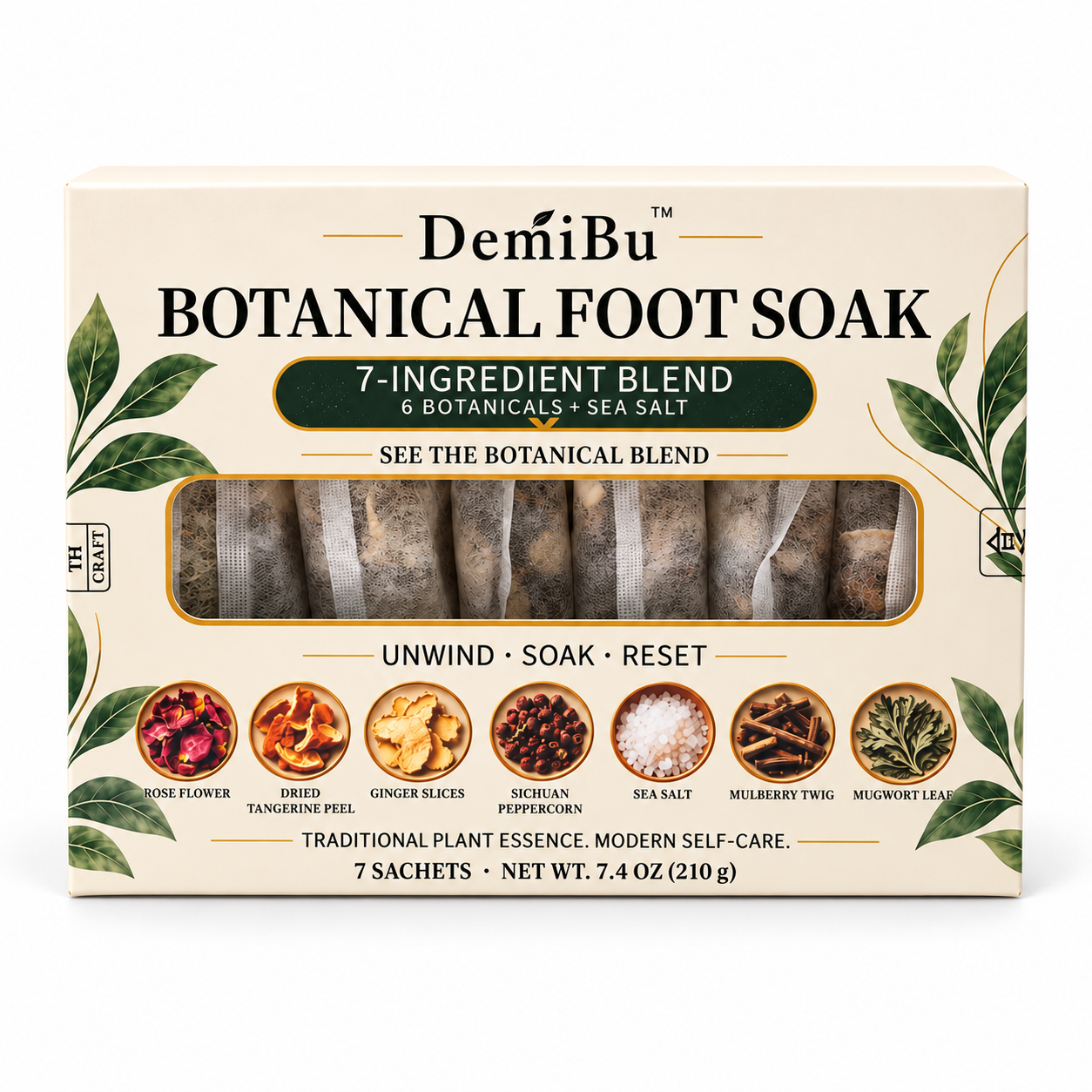
Private label creates assets that wholesale does not: consistent brand presentation, controlled product naming, owned photography, a repeatable pack architecture and the ability to build distributor recognition. It also creates obligations. The buyer must control copy versions, ingredient or material data, net quantity, responsible-party information, warnings, barcodes and market-specific requirements. A beautiful carton can become unusable when these inputs are left until the final week.
For cosmetics-like mugwort oils or hydrosols entering the United States, FDA’s import information emphasizes that imported cosmetics must comply with applicable U.S. requirements; the official page supports importer-side diligence but does not approve a specific formula. The relevant conclusion depends on the exact identity, intended use and claims. Similar caution applies across warming products, botanicals and devices: a private label does not change product reality.
A sound trigger for private label is evidence of repeatable demand plus a clear reason the controlled brand version will perform better. That reason might be a more appropriate size, clearer instructions, superior pack protection, a retail-ready barcode system or a coherent assortment. It should not be customization for its own sake.
Use a packaging liability calculation before approval: custom material quantity multiplied by its unit cost, plus destruction or rework, storage and the probability of a copy change. Compare that amount with expected contribution from the first two production cycles. If the business cannot absorb a label correction or slow sell-through, the private-label step is premature.
A well-run project establishes a golden sample, signed specification, approved artwork, packaging bill of materials, change-control rule and release inspection. Those controls turn the buyer’s brand from a decoration into a reproducible commercial product.
Sources for this section: [1]
Managed sourcing buys coordination where the supply problem is fragmented
Managed sourcing is valuable when a buyer needs specialist factories, comparable evidence and one controlled project rather than a single catalogue transaction.
Mugwort assortments often cross manufacturing disciplines. Combustible rolls, warming patches, body oils, hydrosols, herbal sachets, textiles and accessories do not share one production system. A broad factory catalogue may include outsourced items, while the strongest producer for one format may be weak in another. Managed sourcing addresses this fragmentation by translating a commercial brief into supplier-specific workstreams and returning comparable choices.
The service should be scoped in deliverables: requirement clarification, source mapping, supplier screening, sample coordination, comparison matrix, evidence request list, quotation normalization, pilot inspection plan, consolidation or production follow-up as agreed. It should also state exclusions. A sourcing coordinator is not automatically the importer of record, customs broker, legal adviser, laboratory, regulator or brand owner.
Managed sourcing earns its fee when it shortens costly loops. Examples include catching that two quotations use different pack counts, preventing a body oil sample from being compared with an essential oil, identifying that a textile component is subcontracted, or aligning several factory timelines to one gift-set assembly date. These are coordination gains, not product efficacy claims.
The commercial model can be a project fee, retainer, disclosed commission, margin on goods, or a combination. Buyers should ask how the service is paid because incentives affect supplier presentation. The quote should distinguish product price, service scope, inspection, testing, logistics and optional work. Transparency matters more than insisting that one fee structure is universally superior.
Managed sourcing is unnecessary when the buyer already has a strong direct relationship with a capable factory, a stable specification and in-house quality and import resources. Adding an intermediary without a coordination problem can add delay. It becomes appropriate when the buyer lacks category coverage, needs several factories, cannot normalize Chinese supplier information, or wants an accountable project layer.
Success must be measurable. The project should produce approved options, recorded decisions, resolved specification gaps, sample disposition, a quotation comparison and a release path. A long supplier list is not success. The aim is a smaller set of decision-ready options with known open risks.
Compare total cash, control and management load
The commercially correct model is the one that protects cash while providing enough control for the current stage.
Unit price is only one line in model economics. Wholesale concentrates cash in finished inventory and logistics. Private label adds custom-material commitments and development work. Managed sourcing adds an explicit service cost but may reduce staff time, sample churn and supplier-comparison errors. OEM or ODM adds technical iterations, validation and tooling or setup exposure. Compare total committed cash before revenue, not only ex-factory price.
Control also has layers. Product control concerns formula, construction and tolerances. Presentation control covers brand, pack and copy. Supplier control concerns access, change notification and continuity. Market control concerns distribution and customer relationship. Wholesale may offer limited product and presentation control while allowing rapid channel control. Private label improves presentation control. Managed sourcing improves process visibility but does not create exclusivity unless separately negotiated.
Management load should be estimated in hours and decisions. Count supplier meetings, sample rounds, artwork versions, evidence reviews, inspection instructions, payment events, production updates and logistics handoffs. A three-factory gift set can consume more management capacity than ten stable wholesale SKUs. Small teams should price their own attention because distracted execution can damage both cash-flow trading and long-term brand work.
Model a downside case for each option. Wholesale downside is unsold generic stock. Private-label downside is obsolete branded packaging and a product the channel has not proven. Managed-sourcing downside is paying for coordination without approving a viable order. OEM/ODM downside is development expense plus a delayed or nonconforming outcome. The preferable downside is the one the company can survive while preserving future options.
A practical weighted score can use six criteria: launch speed, initial committed cash, differentiation, internal workload, multi-supplier complexity and reversibility. Set weights before reviewing quotations. A cash-flow distributor may weight speed and reversibility highly. A brand with stable sell-through may weight differentiation and control. The same supplier facts can therefore produce different correct choices.
Do not award artificial precision. A scorecard organizes judgment; it does not eliminate it. Document the assumptions behind every rating and revisit them after samples or market data arrive.
Use a staged hybrid to let evidence unlock commitment
Many buyers should begin in one model and graduate deliberately rather than treating the initial choice as permanent.
A staged hybrid separates market learning from brand investment. Phase one purchases or samples existing SKUs to validate product handling, channel response and target economics. Phase two private-labels the strongest item with controlled packaging. Phase three uses managed sourcing to extend into adjacent specialist formats or coordinate a multi-factory assortment. Deeper OEM or ODM begins only when the data identifies a valuable unmet specification.
This is not indecision if gates are explicit. A wholesale SKU graduates when it meets reorder, margin, defect and customer-feedback thresholds. A private-label project proceeds when the buyer approves the specification, can fund packaging exposure and has a credible sell-through plan. Managed sourcing expands when the incremental coordination problem is defined. Products that miss gates are stopped or revised without dragging the entire portfolio with them.
The hybrid also supports the separation between cash-flow trade and long-term brand building. A trading assortment can answer existing B2B demand, while selected winners inform a narrower owned brand. The two activities should share category intelligence and quality records but keep pricing, positioning and customer promises clear. A buyer requesting OEM should not be forced through a consumer storefront, and retail customers should not see factory-cost comparison tables that confuse brand value.
Migration requires data portability. Keep supplier codes, specifications, sample records, artwork, test reports, inspection findings and cost assumptions in a buyer-led system. When a product moves from wholesale to private label, the team should know exactly which attributes remain unchanged and which require new approval. When a project moves to another factory, do not assume the previous evidence follows automatically.
Set a calendar for review. After the first sample round, decide whether the product deserves a commercial pilot. After the pilot, review real landed cost and defect information. After the first selling cycle, decide whether to reorder, customize, seek alternatives or exit. Without these dates, a transitional SKU can remain indefinitely, consuming attention without building cash flow or brand equity.
The staged path is especially valuable when the catalogue universe is large. The business does not need to list hundreds of products to demonstrate access. It needs a curated, searchable portfolio, clear inquiry routes and the ability to source beyond the displayed range when a qualified buyer provides a brief.
Sources for this section: [3]
Issue a model-specific RFQ and keep decision rights visible
A useful inquiry states the chosen commercial model, evidence needed and decision owner; otherwise suppliers quote different businesses under the same product name.
For wholesale, request the exact existing SKU code, composition or construction, size, pack count, available packaging, stock status, batch or lot traceability, shelf-life or storage data where applicable, sample terms, order minimum, lead time, carton dimensions, gross weight, substitution policy and available product records. Ask which elements are fixed. This keeps an existing-SKU purchase from quietly turning into custom development.
For private label, add brand surfaces, decoration method, artwork template, packaging-material minimums, copy languages, barcode plan, ingredient or material declaration, preproduction sample, golden-sample approval, change notification, ownership of unused packaging and liability if copy changes. Separate the product MOQ from every packaging MOQ.
For managed sourcing, begin with the commercial problem: market, buyer type, intended use, prohibited claims, target cost, volume range, timeline, required formats, acceptable degree of customization and evidence questions. Then define service outputs, supplier-disclosure expectations, sample budget, decision schedule, inspection scope, reporting cadence, fee basis and exit conditions. A service RFQ should not masquerade as a product-price request.
Across all three models, the responsibility split must be written once and applied to the exact project. The factory is responsible for manufacturing to the approved specification and providing agreed truthful records. Moxa Sourcing coordinates selected suppliers, samples, documentation requests and quality activities within the signed scope. The buyer or importer decides destination classification, registrations, claims, label approval, customs and broker arrangements, tax, insurance and market release. U.S. CBP explains that importers must understand entry requirements; customs entry is distinct from factory production. Regulatory treatment always depends on the exact SKU, ingredients or construction, intended use, claims and destination.
Final comparison should use a normalized sheet with five blocks: product and pack assumptions; one-time costs; recurring unit costs; buyer-side work; and unresolved risk. Do not combine a stock quotation, a custom carton quotation and a multi-supplier service proposal in one unit-price column. Normalize currency, quantity, incoterm assumptions, carton count, included inspections and validity date.
The decision record should fit on one page. State the selected model, why it fits the current uncertainty, cash committed before revenue, controls gained, controls deferred, next evidence gate and owner. That page makes the choice auditable when enthusiasm, supplier pressure or schedule anxiety rises.
The central principle is simple: buy only the complexity that produces current commercial value. Wholesale buys speed, private label buys controlled presentation, and managed sourcing buys coordination. A staged company can use all three—provided each order has one clear purpose.
Sources and evidence notes
Public sources help frame terminology, specifications and buyer questions. They do not prove that every factory, formula or destination-market requirement is identical.
- [1]Importing CosmeticsU.S. Food and Drug Administration · regulator · accessed 2026-08-27
Supports importer-side responsibility for accurate entry information, labeling and compliance of imported cosmetics.
- [2]Basic Importing and ExportingU.S. Customs and Border Protection · regulator · accessed 2026-08-27
Supports that importers must understand entry requirements and that customs entry is separate from factory manufacturing.
- [3]Moxa Products MoxibustionKOTRA buyKOREA · marketplace · accessed 2026-08-27
Public example of a broad trade-facing moxa assortment, MOQ field and commercial product taxonomy.
How this guide was prepared
Moxa Sourcing Editorial Team
The team translates product references, product samples and China-side sourcing workflows into practical English guidance for overseas buyers.
Moxa Sourcing Supply Review Team
The review team checks supplier attribution, commercial boundaries, product specifications and statements that require sample or market-specific verification.
Product availability, MOQ, price and production specifications are reconfirmed against the selected product reference. The buyer or importer leads the destination-market decision and retains applicable statutory importer duties; Moxa Sourcing supports the process by coordinating product and supplier evidence, specifications, documents, testing and label inputs, version control and agreed professional partners.