Engineer OEM warming patches as layered systems: heating matrix, body-area geometry, attachment, barrier pouch, heat curve and claims control.
A warming patch is a layered thermal system
Formula, laminate, geometry, attachment and pouch must be approved together because each changes activation and exposure.
Begin by naming the mechanism. An air-activated heat matrix is different from a botanical sensory patch, reusable warmer or belt. Request a composition or construction statement suitable for technical and market review; never infer the selected product from a competitor’s powder list.
Map the layers from the user side outward: contact surface, adhesive or carrier, heat cell, breathable control layer, reinforcement and backing. Identify which layer touches skin, clothing or another component. A phrase such as premium nonwoven is not a bill of materials.
Die-cut shape controls distribution. A narrow neck wing, articulated knee, wide back panel and abdominal patch place the active matrix differently. Seal width and cell position can create local peaks or weak zones, so an open heat sample cannot approve every geometry.
The individual pouch closes the system. Air ingress, seal contamination, storage and conversion can alter the curve. Test finished packaged units from production-intent material instead of relying on an unsealed laboratory piece.
| Subsystem | Decision | Evidence |
|---|---|---|
| Heat matrix | mechanism, composition and activation | formula or construction revision |
| Laminate | contact, carrier and breathable layers | bill of materials and cross-section |
| Geometry | body-area die-line and cell layout | drawing and fit sample |
| Attachment | skin, garment, wrap or belt | wear and removal protocol |
| Barrier pouch | film, seal, tear and print | converted-pouch test |
Sources for this section: [1]
Specify a curve, not a headline temperature
Warm-up, operating band, peak, duration, variation and cool-down are separate commercial decisions.
Record sample conditioning, pouch opening, room temperature, humidity and sensor placement. Define the threshold for warm-up, the acceptable operating band, maximum point, total time in range and cool-down. A single maximum gives no view of usability or consistency.
Use multiple finished units and preserve raw time-series data. Compare the spread between samples and across locations on a large design. An acceptable average can conceal a local hot spot. Thermal mapping is useful when geometry and fill distribution are complex.
Placement changes behavior. A garment-applied patch exchanges air differently from a skin-contact or enclosed product. Directions and tests must refer to the same mode. Data should not be transferred between placements without an approved technical bridge.
Challenge plausible misuse and distribution conditions within the buyer’s risk plan: folding, pressure, reduced airflow, damaged pouch or storage deviation. The result guides warnings and specifications; it is not a universal safety claim.
Approve a method before accepting a performance number. If two suppliers use different sensor positions, environments or endpoints, their temperature and duration figures are not comparable even when the marketing units match.
- Warm-up time
- Operating band
- Peak and location
- Duration in range
- Unit variation
- Placement effect
- Cool-down
Sources for this section: [1]
Body-area variants need geometry evidence
A new anatomical SKU is justified by fit and attachment, not a different picture printed on one rectangle.
Neck and shoulder development addresses curved coverage across a mobile area. Inspect shape retention, placement, temperature spread and edge lift. If construction remains identical to another variant, ask whether the second SKU solves a real fit problem or only divides printing and inventory. The body-area name also shapes consumer expectations, so copy and instructions must stay within the evaluated placement.
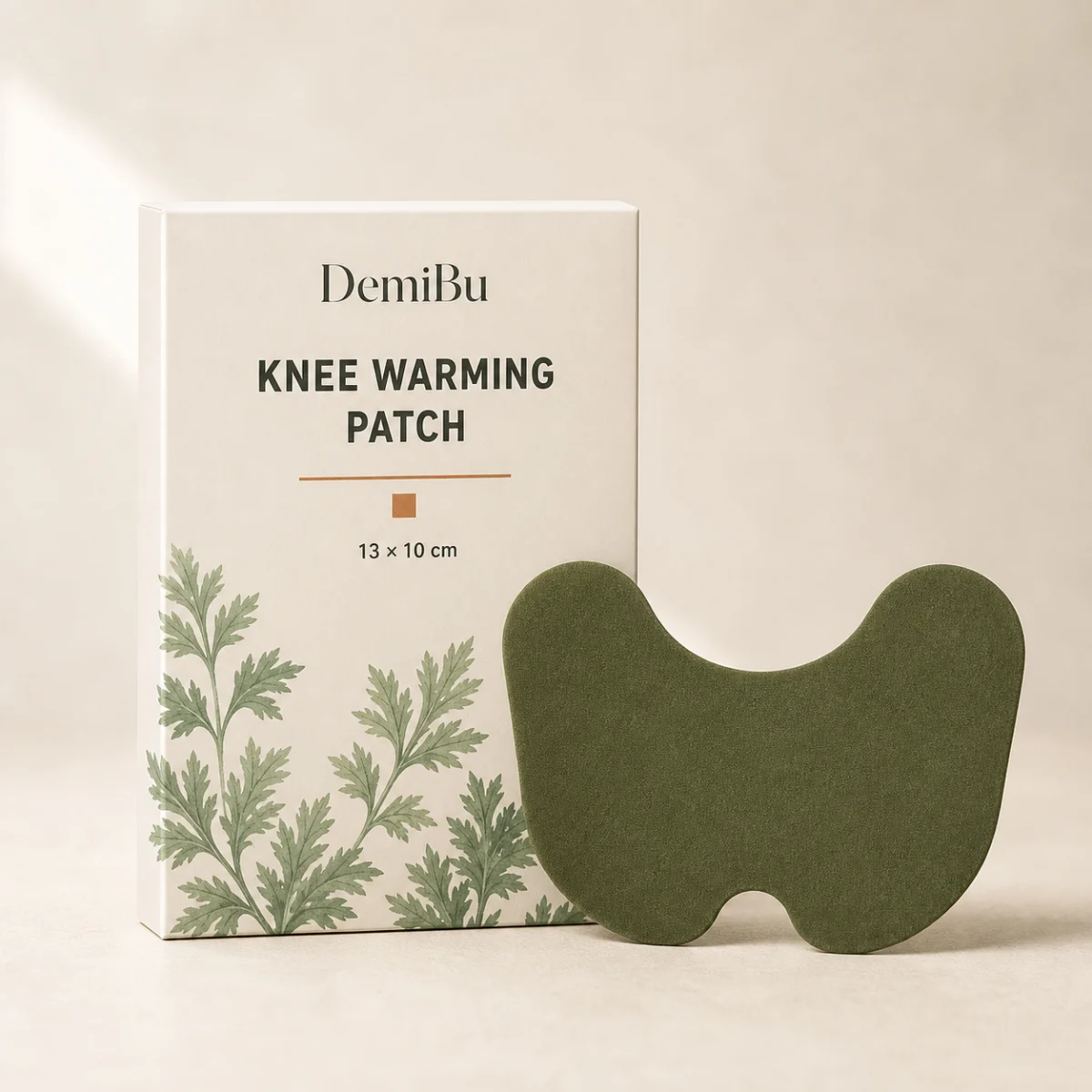
Knee development addresses an articulating area under repeated movement. Inspect flex zones, fastening, movement fit and local peaks. If construction remains identical to another variant, ask whether the second SKU solves a real fit problem or only divides printing and inventory. The body-area name also shapes consumer expectations, so copy and instructions must stay within the evaluated placement.
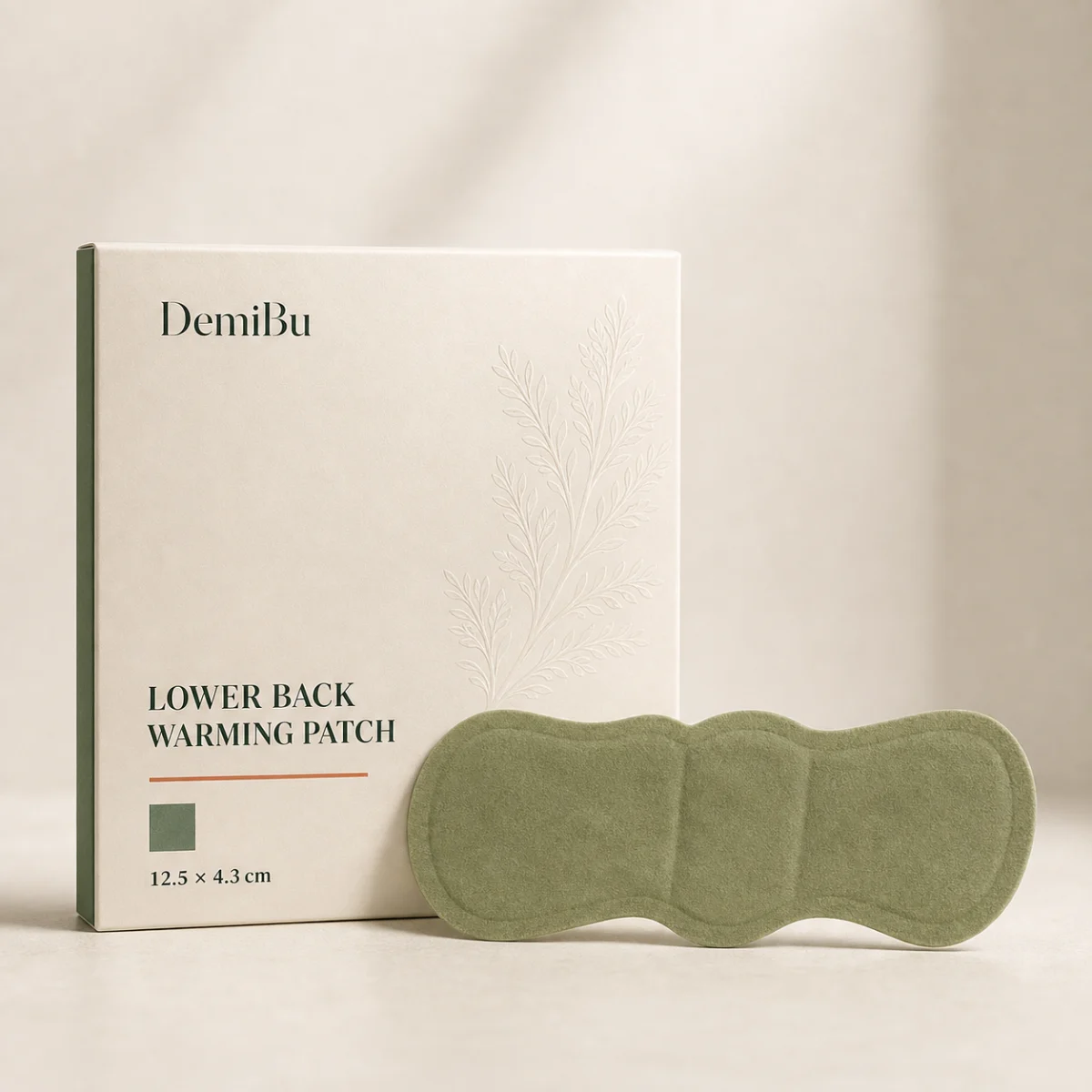
Lower back development addresses larger coverage affected by clothing and seating. Inspect uniformity, fold resistance, attachment and pouch size. If construction remains identical to another variant, ask whether the second SKU solves a real fit problem or only divides printing and inventory. The body-area name also shapes consumer expectations, so copy and instructions must stay within the evaluated placement.
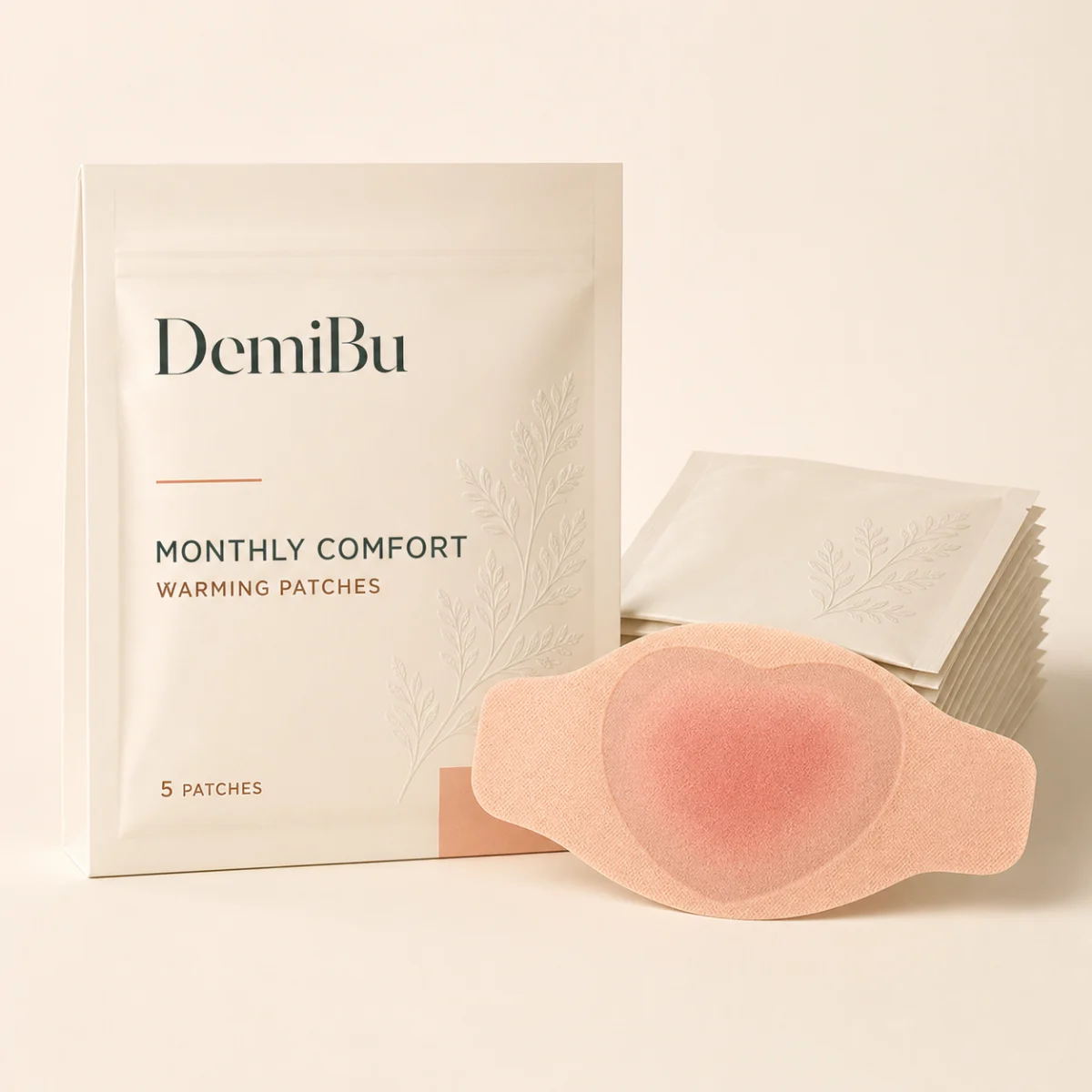
Monthly comfort development addresses discreet abdominal warming proposition. Inspect placement, privacy, temperature band, duration and claim restraint. If construction remains identical to another variant, ask whether the second SKU solves a real fit problem or only divides printing and inventory. The body-area name also shapes consumer expectations, so copy and instructions must stay within the evaluated placement.
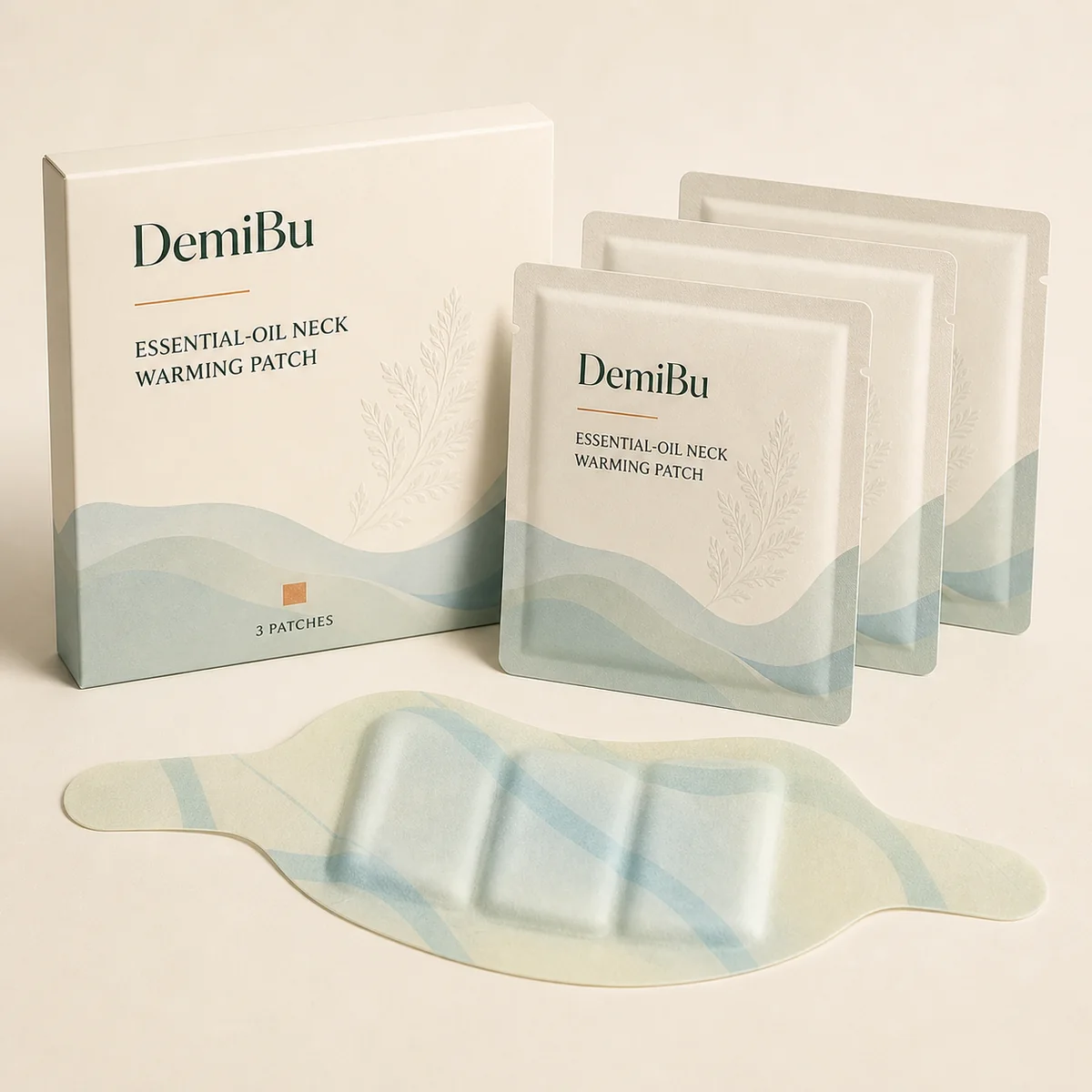
Essential-oil neck development addresses heat plus fragrance differentiation. Inspect complete composition, scent stability, contact review and label. If construction remains identical to another variant, ask whether the second SKU solves a real fit problem or only divides printing and inventory. The body-area name also shapes consumer expectations, so copy and instructions must stay within the evaluated placement.
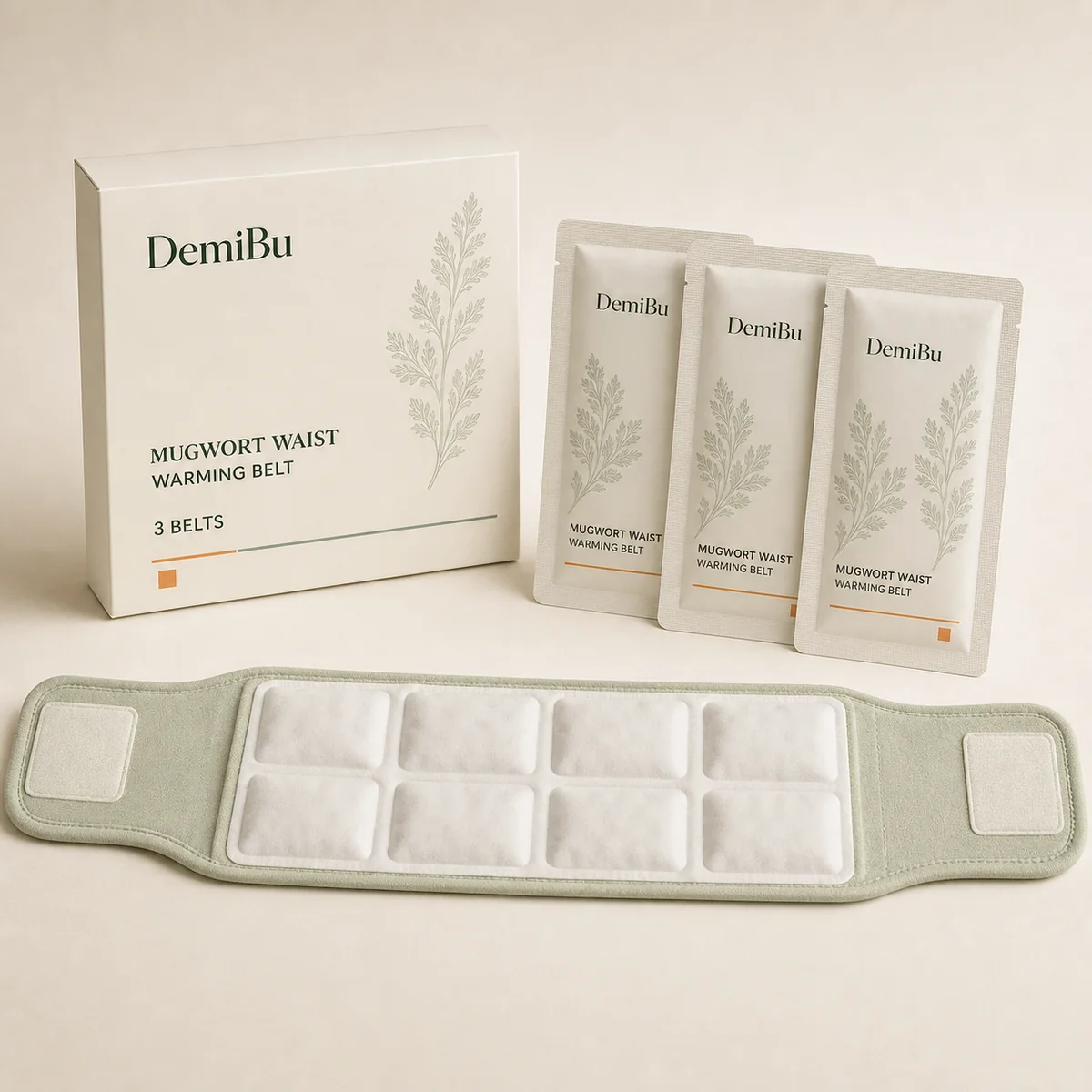
Waist belt development addresses reusable or broad fastening format. Inspect belt dimensions, fastening cycles, materials and heat distribution. If construction remains identical to another variant, ask whether the second SKU solves a real fit problem or only divides printing and inventory. The body-area name also shapes consumer expectations, so copy and instructions must stay within the evaluated placement.
| Platform | Design problem | Verification |
|---|---|---|
| Neck and shoulder | curved coverage across a mobile area | shape retention, placement, temperature spread and edge lift |
| Knee | an articulating area under repeated movement | flex zones, fastening, movement fit and local peaks |
| Lower back | larger coverage affected by clothing and seating | uniformity, fold resistance, attachment and pouch size |
| Monthly comfort | discreet abdominal warming proposition | placement, privacy, temperature band, duration and claim restraint |
| Essential-oil neck | heat plus fragrance differentiation | complete composition, scent stability, contact review and label |
| Waist belt | reusable or broad fastening format | belt dimensions, fastening cycles, materials and heat distribution |
Sources for this section: [1]
The pouch is part of the heat engine
Barrier conversion and sealing can decide whether the customer receives the approved curve.
Specify laminate performance, seal geometry, tear notch, printable area and final dimensions. Raw-film data is incomplete after printing and conversion. Approve pouches from the intended converter with the actual patch.
Inspect wrinkles, channel leaks, contamination in seals, incomplete edges and mechanical damage. Condition units through relevant transit and temperature scenarios, then compare heat curves with retained controls. Pass criteria must exist before the result.
Shelf-life evidence belongs to the exact formula, shape and pouch. A report for another cell, film or size may not support the new product. The buyer’s technical reviewer decides how accelerated and real-time evidence support labeled duration.
Retail cartons protect the pouch and separate variants. Count, orientation, compression, fragrance segregation and artwork revision are inspection fields. An elegant multipack cannot compensate for compromised primary seals.
| Failure | Commercial symptom | Control |
|---|---|---|
| Air ingress | weak or shortened heat | barrier and seal validation |
| Seal contamination | early activation | in-process inspection |
| Compression | damaged matrix or pouch | pack-out and transit test |
| Variant mixing | wrong scent or instructions | SKU segregation |
| Old artwork | incorrect use or claims | line clearance |
Sources for this section: [1]
Ingredient-led differentiation raises the claims burden
Botanicals, capsicum, menthol, camphor or fragrance can change exposure and the message a consumer receives.
Request exact ingredients and levels needed for assessment. Determine whether the botanical sits inside the matrix, on a contact layer, in fragrance or only in marketing. The location changes exposure and test questions.
Review claims before design lock. FDA explains that disease or structure/function language can change U.S. classification; EU cosmetic rules require evidence proportionate to a cosmetic claim. Other destinations use different systems.
Comfort and warmth may describe a bounded experience without promising treatment. Still, product names, diagrams, testimonials, online pages and distributor scripts can imply more than the carton. Maintain one claims inventory across channels.
A simple external warmer may offer a cleaner initial business case than an ingredient-led patch. That is a product strategy choice, not a global legal conclusion. The buyer/importer determines classification for the exact SKU.
Fragrance options should be treated as formula variants. Scent naming, composition disclosure, stability and segregation need controls; aromatic ingredients do not establish efficacy.
- Composition and layer location
- Contact mode and duration
- Target user
- Express and implied claims
- Evidence owner
- Destination reviewer
Freeze engineering decisions in a controlled order
Mechanism, geometry, heat, pouch and claims should mature before final artwork and bulk release.
Gate one selects the base construction. Gate two approves die-line and attachment. Gate three establishes the heat protocol and results. Gate four validates the converted pouch. Gate five releases instructions and claims. A pilot demonstrates the combined product and pack.
The RFQ must price an existing reference, English private label, and new shape or formula separately. Include quantity, annual volume, variants, pouch designs, carton, tooling, tests and inspection. Otherwise suppliers may quote fundamentally different scopes.
Responsibility is concise: the factory controls production and factory records; Moxa Sourcing coordinates source selection, samples, specification and agreed inspection; the buyer/importer owns destination classification, assessment, claims, label, registration and clearance.
Use the eight public patch platforms as a decision set, not a readiness promise. Sample status, composition disclosure and buyer-market review decide whether a product moves from project-led to order-ready.
Any later change should trigger an impact review. Changing matrix, layer, die-line, adhesive, pouch or use instructions can reopen heat, fit, stability or claims work.
Engineering memo 1: Neck and shoulder must be challenged under curved coverage across a mobile area. The approval record should include shape retention, placement, temperature spread and edge lift. Link the observation to the matrix, die-line, pouch and instruction revisions that produced it. A later change to any layer requires an impact decision before production.
Engineering memo 2: Knee must be challenged under an articulating area under repeated movement. The approval record should include flex zones, fastening, movement fit and local peaks. Link the observation to the matrix, die-line, pouch and instruction revisions that produced it. A later change to any layer requires an impact decision before production.
Engineering memo 3: Lower back must be challenged under larger coverage affected by clothing and seating. The approval record should include uniformity, fold resistance, attachment and pouch size. Link the observation to the matrix, die-line, pouch and instruction revisions that produced it. A later change to any layer requires an impact decision before production.
Engineering memo 4: Monthly comfort must be challenged under discreet abdominal warming proposition. The approval record should include placement, privacy, temperature band, duration and claim restraint. Link the observation to the matrix, die-line, pouch and instruction revisions that produced it. A later change to any layer requires an impact decision before production.
Engineering memo 5: Essential-oil neck must be challenged under heat plus fragrance differentiation. The approval record should include complete composition, scent stability, contact review and label. Link the observation to the matrix, die-line, pouch and instruction revisions that produced it. A later change to any layer requires an impact decision before production.
Engineering memo 6: Waist belt must be challenged under reusable or broad fastening format. The approval record should include belt dimensions, fastening cycles, materials and heat distribution. Link the observation to the matrix, die-line, pouch and instruction revisions that produced it. A later change to any layer requires an impact decision before production.
Engineering memo 7: Neck and shoulder must be challenged under curved coverage across a mobile area. The approval record should include shape retention, placement, temperature spread and edge lift. Link the observation to the matrix, die-line, pouch and instruction revisions that produced it. A later change to any layer requires an impact decision before production.
Engineering memo 8: Knee must be challenged under an articulating area under repeated movement. The approval record should include flex zones, fastening, movement fit and local peaks. Link the observation to the matrix, die-line, pouch and instruction revisions that produced it. A later change to any layer requires an impact decision before production.
Engineering memo 9: Lower back must be challenged under larger coverage affected by clothing and seating. The approval record should include uniformity, fold resistance, attachment and pouch size. Link the observation to the matrix, die-line, pouch and instruction revisions that produced it. A later change to any layer requires an impact decision before production.
Engineering memo 10: Monthly comfort must be challenged under discreet abdominal warming proposition. The approval record should include placement, privacy, temperature band, duration and claim restraint. Link the observation to the matrix, die-line, pouch and instruction revisions that produced it. A later change to any layer requires an impact decision before production.
Engineering memo 11: Essential-oil neck must be challenged under heat plus fragrance differentiation. The approval record should include complete composition, scent stability, contact review and label. Link the observation to the matrix, die-line, pouch and instruction revisions that produced it. A later change to any layer requires an impact decision before production.
Engineering memo 12: Waist belt must be challenged under reusable or broad fastening format. The approval record should include belt dimensions, fastening cycles, materials and heat distribution. Link the observation to the matrix, die-line, pouch and instruction revisions that produced it. A later change to any layer requires an impact decision before production.
Engineering memo 13: Neck and shoulder must be challenged under curved coverage across a mobile area. The approval record should include shape retention, placement, temperature spread and edge lift. Link the observation to the matrix, die-line, pouch and instruction revisions that produced it. A later change to any layer requires an impact decision before production.
Engineering memo 14: Knee must be challenged under an articulating area under repeated movement. The approval record should include flex zones, fastening, movement fit and local peaks. Link the observation to the matrix, die-line, pouch and instruction revisions that produced it. A later change to any layer requires an impact decision before production.
Engineering memo 15: Lower back must be challenged under larger coverage affected by clothing and seating. The approval record should include uniformity, fold resistance, attachment and pouch size. Link the observation to the matrix, die-line, pouch and instruction revisions that produced it. A later change to any layer requires an impact decision before production.
Engineering memo 16: Monthly comfort must be challenged under discreet abdominal warming proposition. The approval record should include placement, privacy, temperature band, duration and claim restraint. Link the observation to the matrix, die-line, pouch and instruction revisions that produced it. A later change to any layer requires an impact decision before production.
Engineering memo 17: Essential-oil neck must be challenged under heat plus fragrance differentiation. The approval record should include complete composition, scent stability, contact review and label. Link the observation to the matrix, die-line, pouch and instruction revisions that produced it. A later change to any layer requires an impact decision before production.
Engineering memo 18: Waist belt must be challenged under reusable or broad fastening format. The approval record should include belt dimensions, fastening cycles, materials and heat distribution. Link the observation to the matrix, die-line, pouch and instruction revisions that produced it. A later change to any layer requires an impact decision before production.
Engineering memo 19: Neck and shoulder must be challenged under curved coverage across a mobile area. The approval record should include shape retention, placement, temperature spread and edge lift. Link the observation to the matrix, die-line, pouch and instruction revisions that produced it. A later change to any layer requires an impact decision before production.
Engineering memo 20: Knee must be challenged under an articulating area under repeated movement. The approval record should include flex zones, fastening, movement fit and local peaks. Link the observation to the matrix, die-line, pouch and instruction revisions that produced it. A later change to any layer requires an impact decision before production.
Engineering memo 21: Lower back must be challenged under larger coverage affected by clothing and seating. The approval record should include uniformity, fold resistance, attachment and pouch size. Link the observation to the matrix, die-line, pouch and instruction revisions that produced it. A later change to any layer requires an impact decision before production.
Engineering memo 22: Monthly comfort must be challenged under discreet abdominal warming proposition. The approval record should include placement, privacy, temperature band, duration and claim restraint. Link the observation to the matrix, die-line, pouch and instruction revisions that produced it. A later change to any layer requires an impact decision before production.
Engineering memo 23: Essential-oil neck must be challenged under heat plus fragrance differentiation. The approval record should include complete composition, scent stability, contact review and label. Link the observation to the matrix, die-line, pouch and instruction revisions that produced it. A later change to any layer requires an impact decision before production.
| Freeze | Output | Reopened by |
|---|---|---|
| Mechanism | formula/construction revision | ingredient or heat-system change |
| Geometry | die-line and fit sample | area or attachment change |
| Performance | protocol and accepted curve | matrix, layer, size or pouch change |
| Packaging | barrier and artwork master | film, converter or pack change |
| Market copy | claims and instructions | new market, use or campaign |
Sources and evidence notes
Public sources help frame terminology, specifications and buyer questions. They do not prove that every factory, formula or destination-market requirement is identical.
- [1]Neck and Shoulder Patch Product PageINTCO Healthcare · manufacturer · accessed 2026-08-27
Public manufacturer example of a body-area warming-patch format and the kinds of heat, shape and packaging questions buyers encounter.
- [2]Cosmetics Labeling ClaimsU.S. Food and Drug Administration · regulator · accessed 2026-08-27
Supports the U.S. distinction between cosmetic presentation and claims that may cause drug classification.
- [3]Commission Regulation (EU) No 655/2013 on Cosmetic ClaimsEUR-Lex, European Union · regulator · accessed 2026-08-27
Supports the requirement that cosmetic claims have evidence proportionate to the claim.
How this guide was prepared
Moxa Sourcing Editorial Team
The team translates product references, product samples and China-side sourcing workflows into practical English guidance for overseas buyers.
Moxa Sourcing Supply Review Team
The review team checks supplier attribution, commercial boundaries, product specifications and statements that require sample or market-specific verification.
Product availability, MOQ, price and production specifications are reconfirmed against the selected product reference. The buyer or importer leads the destination-market decision and retains applicable statutory importer duties; Moxa Sourcing supports the process by coordinating product and supplier evidence, specifications, documents, testing and label inputs, version control and agreed professional partners.