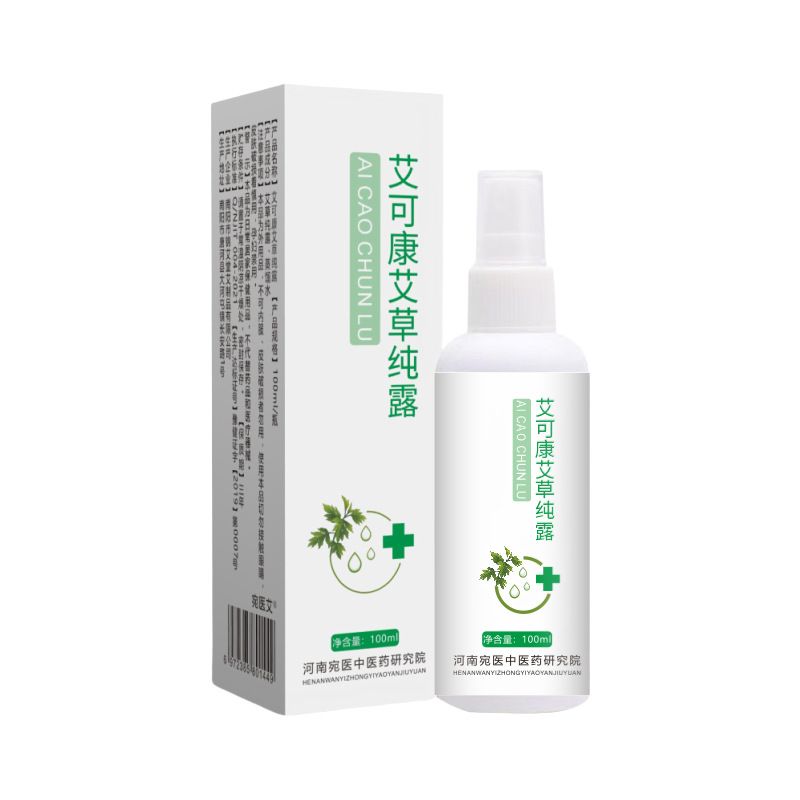
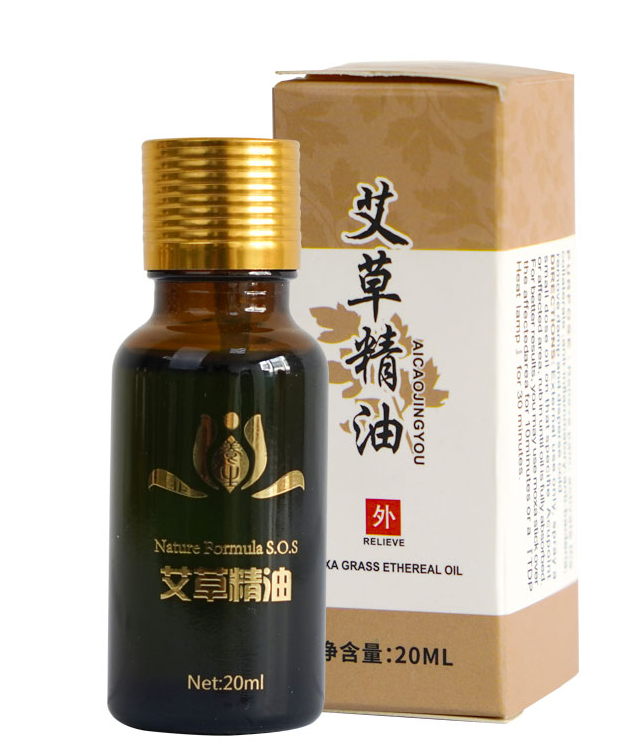
Specify a 100 ml mugwort hydrosol private-label SKU through formula identity, preservation, microbiology, pack compatibility, copy and RFQ gates.
Freeze the liquid identity before discussing the label
The private-label specification begins with the finished liquid, because the word hydrosol does not disclose botanical identity, distillation basis or preservation.
The selected 100 ml platform is an active Jinaitang development reference, not a claim that every technical field has already been closed. The buyer should first record the botanical name and plant part proposed by the supplier, the raw-material source description, the distillation method, and whether the collected aqueous phase is used neat, diluted, blended or further processed. Those distinctions change what the commercial product actually is.
A purchase brief should separate source hydrosol from finished formula. Source hydrosol describes an input or distillate. Finished formula lists every intentional ingredient in the filled bottle, including added water, preservative system, chelator, fragrance or other addition if present. A supplier answer such as pure mugwort water is not a complete formula statement. Ask for names, functions and quantitative or controlled ranges where the project requires them.
The research review cited below supports a narrow definition: hydrosols are aqueous phases associated with steam or hydrodistillation and differ from the essential-oil phase. It does not establish the composition, safety or effect of this specific development sample. That distinction should appear in the internal specification so marketing language cannot outrun manufacturing truth.
Freeze appearance and sensory references as observations, not benefit claims. Define acceptable color range, clarity or permitted sediment, characteristic odor, and any sample-to-sample variability the buyer will accept. Photograph approved samples under repeatable lighting, but retain a physical reference where practical because cameras do not reliably capture clarity or botanical odor.
Do not approve artwork until the formula identity and product name can be reconciled. A brand can call the item a facial mist, botanical water or hydrosol only after intended use and destination review. The manufacturing specification should remain more precise than the front panel.
Sources for this section: [1]
Build the 100 ml commercial specification as a set of locked fields
A usable specification connects formula, fill, container, pump, decoration, code and pack-out rather than approving each in isolation.
The nominal 100 ml size is only one line. Define target fill and allowable variation, method of fill control, bottle brimful capacity, headspace, bottle material and color, neck finish, closure and gasket, dip-tube length, actuator, cap, tamper feature if selected, label stock, ink or decoration, lot-code position, unit carton, master-carton quantity and packed dimensions. Supplier component codes should be recorded so an apparently identical replacement cannot be introduced informally.
| Specification block | Buyer must freeze | Evidence at approval | Open-project warning |
|—|—|—|—|
| Botanical input | species, plant part, source description, distillation basis | supplier record and sample linkage | common name alone is incomplete |
| Finished formula | all intentional ingredients and preservation status | signed formula or controlled declaration | hydrosol is not a full ingredient list |
| Liquid criteria | appearance, odor, pH or other agreed controls | dated batch sample and results | sample observation is not a shelf-life claim |
| 100 ml pack | fill, bottle, neck, sprayer, cap, label, code | component codes and golden unit | empty pack approval is insufficient |
| Quality plan | batch checks, microbiology, stability and compatibility scope | protocol, acceptance criteria and reports | universal test lists should not be assumed |
| Commercial terms | MOQ, material minimums, lead time, incoterm and validity | itemized quotation | packaging MOQ may exceed filling MOQ |
The golden sample must carry the exact component combination. If the bottle is amber in one round and clear in another, or if the sprayer supplier changes, the approval record must show which configuration won. The same applies to label adhesive, surface treatment and ink. A product code without a version or change date cannot control this level of detail.
Quote one market and one copy version at a time. Multilingual labels, market-specific responsible-party details and different net-content formats can split packaging quantities. Ask the supplier to separate one-time artwork or plate cost, bottle and pump minimums, filling minimum, label minimum, unit carton, assembly, testing, inspection and export carton. This makes change exposure visible.
Because this is an active development reference, unknown fields should be marked open rather than filled with generic values. An open INCI, preservation system, microbiological limit or stability basis is a gate, not a reason to invent a reassuring answer.
| Release gate | Required specification | Approval evidence | Do not release when |
|---|---|---|---|
| Liquid identity | species, plant part, distillation basis and complete formula | signed formula and sample linkage | hydrosol is used as a substitute for the full formula |
| Preservation and microbiology | preservation status, limits and formula-specific plan | protocol, dated results and reviewer disposition | natural or preservative-free is treated as proof of safety |
| 100 ml delivery pack | fill, bottle, neck, pump, dip tube, gasket and cap | coded golden unit with spray and leak observations | any contact component remains unapproved |
| Compatibility and stability | conditions, intervals, attributes and acceptance criteria | formula-and-pack records for the named configuration | shelf life is inferred from appearance alone |
| Market information | identity, ingredient declaration, directions, warnings and claims | destination copy approval | artwork precedes formula and intended-use review |
| Commercial release | MOQ by layer, lead time, inspection and change control | signed quotation, pilot disposition and PO specification | substitution or packaging exposure is unresolved |
Design microbiological control around the exact formula and user contact
A water-rich botanical product needs a risk-based control plan that covers manufacture, filling, packaging, storage and use.
FDA’s microbiological safety overview identifies contamination routes that include raw materials, water, ineffective preservation, manufacturing conditions, packaging and consumer use. The relevant lesson is systemic control. It does not prescribe one universal method for this 100 ml sample, and it does not establish that a natural or preservative-free formula is safe.
Ask the formulator to state preservation status plainly. If a preservation system is present, record its identity within the controlled formula and establish the appropriate evaluation plan. If the proposal is preservative-free, do not treat that phrase as a premium claim; require a technically supported explanation of how manufacture, package, storage, shelf life and use risk are controlled. The final decision belongs to the qualified safety and market review for the exact formula.
Link raw-material and bulk-liquid lots to the filling batch. Define water-system and equipment controls within the factory documentation scope, as well as bulk hold time, filling conditions, container cleanliness and finished-product sampling. A certificate copied from another hydrosol or a raw-material report cannot substitute for the approved finished configuration.
Packaging affects exposure after opening. Pump backflow, cap fit, consumer fingers, storage temperature and repeated actuation can change risk. A fine-mist sprayer may reduce direct contact compared with an open-neck bottle, but that design observation is not proof of preservation. Compatibility and microbiological plans should use the actual pack.
Set acceptance criteria and responsibilities before testing. Record the laboratory, method, sample batch, sample count, storage point and action if a result fails. Retesting should follow an investigation, not erase the first result. Release records should make clear whether microbiology is a batch test, development evidence, ongoing verification or some combination.
Lot review should reconcile quantities from bulk receipt through finished units. Record theoretical and actual yield, rejected packaging, rework authorization and destruction or return of unused labels. The exercise is commercial as well as technical: an unexplained yield difference can signal fill drift, leakage, line loss or count error. The buyer should know which records will accompany every batch and which remain available on request.
A complaint plan belongs in the specification. Define the product and lot identifiers a customer-service team must capture, how retained samples are stored, who receives a leakage or odor complaint, and when distribution should pause. Complaints about spray failure, visible change or damaged seals should be mapped to the corresponding component and production records. This makes follow-up evidence-based without implying that every observation is a safety defect.
Private-label continuity also depends on component availability. Ask for normal and alternate lead times, minimum reorder quantities, notification periods for discontinuation and the proposed process if a pump or bottle becomes unavailable. Any alternate should be treated as a new controlled configuration until fit, output, leakage, compatibility, decoration and packed dimensions are reviewed.
Sources for this section: [2]
Prove bottle, sprayer and formula compatibility over the intended life
A visually acceptable day-one sample cannot support shelf life or transport; the actual filled system needs planned observation and defined endpoints.
Compatibility asks whether the formula and package remain fit together. Observe liquid appearance and odor, pH or other selected formula controls, bottle deformation or discoloration, closure torque retention, gasket condition, dip-tube change, pump priming, spray output, leakage, label adhesion and code legibility. Choose endpoints based on the materials and route rather than copying a generic checklist.
Stability design should state real-time and accelerated conditions, orientations, intervals, sample quantity and acceptance criteria. Accelerated work can reveal problems early but should not be described as an automatic equivalent to an unearned shelf-life claim. Record what each data set supports and what remains pending.
Transport preparation needs filled units in production-equivalent unit and master cartons. Examine upright, side and inverted exposure as appropriate; vibration or handling simulation; compression; temperature excursions relevant to the route; and post-test spray function. A carton that protects glass may be unnecessary for plastic, while an insert suitable for one sprayer height may load the actuator on another.
Decoration is part of compatibility. Hydrosol residue, condensation, hand oils and abrasion can affect labels or printed surfaces. Test with the actual label stock, adhesive, varnish and application process. Check barcode readability and lot-code contrast after exposure, not only when freshly applied.
Write change triggers into the specification. A different pump, bottle resin, colorant, gasket, preservative, fragrance, label adhesive or fill process can require targeted reassessment. The buyer should receive written notice before substitution. Silent component switching is especially risky when several visually similar 100 ml packs exist.
Sources for this section: [2]
Translate the approved product into controlled market information
Ingredient declaration, identity, net contents and claims must describe the finished SKU, not the romance of distillation.
FDA’s cosmetic ingredient-name page supports complete ingredient declaration using appropriate names for U.S. cosmetics. It does not select the final nomenclature for this development formula, and other destinations have their own rules. Obtain the controlled formula first, then have qualified reviewers determine the correct declaration and order for the chosen market.
Keep claims within the available evidence. This guide does not describe the hydrosol as antimicrobial, therapeutic, anti-inflammatory, skin-improving, soothing or automatically safe because it is botanical. Traditional mugwort context and published biological research do not transfer automatically to the filled private-label product. Copy should focus on verified identity, format, sensory description and directions unless additional claims are supported and permitted.
Directions need enough precision to be reproducible: where and how the mist is intended to be used, how to close or store it, and what warnings or avoidance statements the destination review requires. Avoid vague directions that encourage unintended uses. Channel copy, carton, bottle and distributor sheets should use one approved source.
The responsibility paragraph need appear only once: Jinaitang or the selected factory manufactures the approved SKU and supplies agreed truthful production records; Moxa Sourcing coordinates specifications, samples, evidence requests and inspections within contract scope; the buyer or importer determines classification, safety assessment, ingredient nomenclature, registrations, label, claims, customs and final market release for the exact formula and destination.
Sources for this section: [3]
Send an RFQ that exposes every open decision
A serious 100 ml hydrosol RFQ is a controlled-data request, not a request for a lowest bottle price.
State destination, channel, intended use, prohibited claims, forecast, pilot quantity and target timing. Request botanical name and plant part; source and distillation description; source-hydrosol identity; complete finished formula; preservation status; available raw-material and finished-product records; appearance and sensory criteria; batch traceability; fill target and tolerance; bottle and sprayer codes; decoration; packaging; and proposed quality plan.
Ask the supplier to identify which fields are standard, selectable or custom. A standard liquid in a custom pack has a different timetable from a custom formula in a stock bottle. Record minimums for bulk liquid, filling, bottle, pump, label and carton separately. Request lead times for sampling, component procurement, preproduction approval and production rather than one blended estimate.
Approval should proceed through gates: documentary identity; laboratory or formula review as applicable; bench sample; production-equivalent filled sample; artwork and declaration review; stability and compatibility plan; pilot; inspection and release. Each gate should have an owner, due date and disposition. A no-decision sample should not drift into bulk manufacture.
Sample requests should include enough units for sensory comparison, spray and leakage work, retained reference and any selected laboratory plan. Label every unit with version, date and supplier code. If the final pump or formula is unavailable, mark the sample as a fit or visual prototype rather than calling it preproduction.
The commercial decision is ready only when open items are visible. The purpose of the specification is not to promise certainty where data are pending; it is to make pending decisions impossible to hide behind a polished 100 ml bottle.
Sources and evidence notes
Public sources help frame terminology, specifications and buyer questions. They do not prove that every factory, formula or destination-market requirement is identical.
- [1]
Unlocking the Potential of Hydrosols: Distillation, Composition and Research ReviewPubMed Central, U.S. National Library of Medicine · research · accessed 2026-08-27
Supports the definition of hydrosol as the aqueous phase produced through steam or hydrodistillation and its distinction from essential oil; biological findings are not used as product claims.
- [2]
Microbiological Safety and CosmeticsU.S. Food and Drug Administration · regulator · accessed 2026-08-27
Supports the need to control water, raw materials, preservation, packaging, storage and consumer-use contamination for cosmetic products.
- [3]
Cosmetic Ingredient NamesU.S. Food and Drug Administration · regulator · accessed 2026-08-27
Supports complete retail ingredient declaration using appropriate names in the U.S.; other markets require buyer-side review.
How this guide was prepared
Moxa Sourcing Editorial Team
The team translates supplier references, product samples and China-side sourcing workflows into practical English guidance for overseas buyers.
Moxa Sourcing Supply Review Team
The review team checks supplier attribution, commercial boundaries, product specifications and statements that require sample or market-specific verification.
Product availability, MOQ, price and production specifications are reconfirmed against the selected supplier reference. The buyer / importer remains responsible for destination classification, registration, final claims and customs clearance.