A practical approved-sample workflow for freezing mugwort product, packaging, artwork, acceptance checks and change control before bulk production.
Why is an approved sample not enough by itself?
Because a physical object does not explain which attributes are intentional, how they will be measured or what change requires new approval.
A sample is excellent at communicating a complete experience. A buyer can see the dimensions, finish, color, pack presentation and construction. It can observe burn behavior, warmth, adhesion, spray performance, scent or leakage under a chosen method. Yet the sample cannot explain which factory, line, material lot, formula version, packaging supplier or artwork file produced it. It also cannot distinguish a critical attribute from an incidental variation unless the parties discuss and record that decision.
This gap creates a familiar dispute. The buyer says that bulk goods are not the same as the sample. The factory says that no numerical tolerance, component brand, formula version or test method was specified. Both may be describing the situation honestly. The failure happened before production because the approval was visual and conversational, not operational. A written specification reduces that gap by naming the attributes that control acceptance and the evidence used to evaluate them.
The specification does not need to turn every subjective characteristic into a laboratory number. It can combine numeric fields, component references, photographs, approved artwork and the retained sample. A scent may be controlled by an approved formula and sensory reference. A moxa roll may use dimensions, material description, wrapping and a defined burn-observation method. A patch may use construction, fill or formula reference, temperature test method, pouch and artwork. The document should be as precise as the risk requires.
A sample also ages. Oils can oxidize, water-based products can change, labels can lift, botanical materials can vary and packaging can be damaged. The retained sample remains useful when it is coded, stored appropriately and linked to a dated specification. Without that record, an old sample can become an unreliable memory of what was approved.
What information belongs on the sample approval record?
The record must identify the sample, decision, conditions, supporting files and people authorized to approve the next stage.
Every sample receives a unique project and reference code. The record includes supplier, proposed manufacturer, production site if known, receipt date, product name, buying model and configuration. Photographs show the front, back, critical construction and identifying marks. The reviewer records what was measured or observed, which documents were received, and which points remain open. This makes several samples comparable and prevents confusion when suppliers send revisions with similar packaging.
The decision is not limited to approve or reject. A sample can be approved for concept, approved for formula but not packaging, approved subject to a replacement closure, or rejected for a named reason. Conditional approval must identify the condition and the evidence required to close it. A verbal promise that a pouch, bottle or label will be improved is not a final approval. The revised component or a representative production sample returns to the record.
The record also identifies who approved what. The sourcing reviewer may approve that the sample matches the requested China-side product brief. The buyer approves the commercial product and final appearance. The buyer or importer approves destination classification, final label and claims with appropriate advisers. A factory confirms that it can reproduce the approved reference under the written specification. Separating these signatures prevents a product-quality approval from being misread as regulatory authorization.
Source status appears beside the evidence. A public permit or license is linked to its holder and scope. Supplier composition and material statements are labeled as supplier-provided. Test results identify the sample and method. Market questions remain buyer decisions. Missing materials remain open actions. This is more useful than attaching a mixed folder of documents without explaining which decision each file supports.
| Approval field | Minimum record | Why it matters |
|---|---|---|
| Identity | Project code, sample code, supplier, manufacturer and site | Connects the object to the proposed supply path |
| Configuration | Formula or material reference, dimensions, pack and components | Prevents a different variant from replacing the sample |
| Review | Method, measurements, observations, photos and missing evidence | Makes comparison repeatable |
| Decision | Approved, conditional or rejected with reason | Defines whether the next commercial gate may open |
| Responsibility | Buyer, factory, reviewer and market-decision owner | Separates product acceptance from destination authorization |
How is the product specification structured by family?
A common control header is combined with family-specific fields that reflect the product’s real manufacturing and acceptance risks.
The common header identifies the product, project, legal seller, manufacturer, site, intended destination, buying model, specification version, approved sample and approval date. It lists associated formula, material, artwork, packaging and test files. It also states whether a field is confirmed, supplier-provided, sample-required or buyer-market dependent. This creates one controlled index even when the technical fields differ.
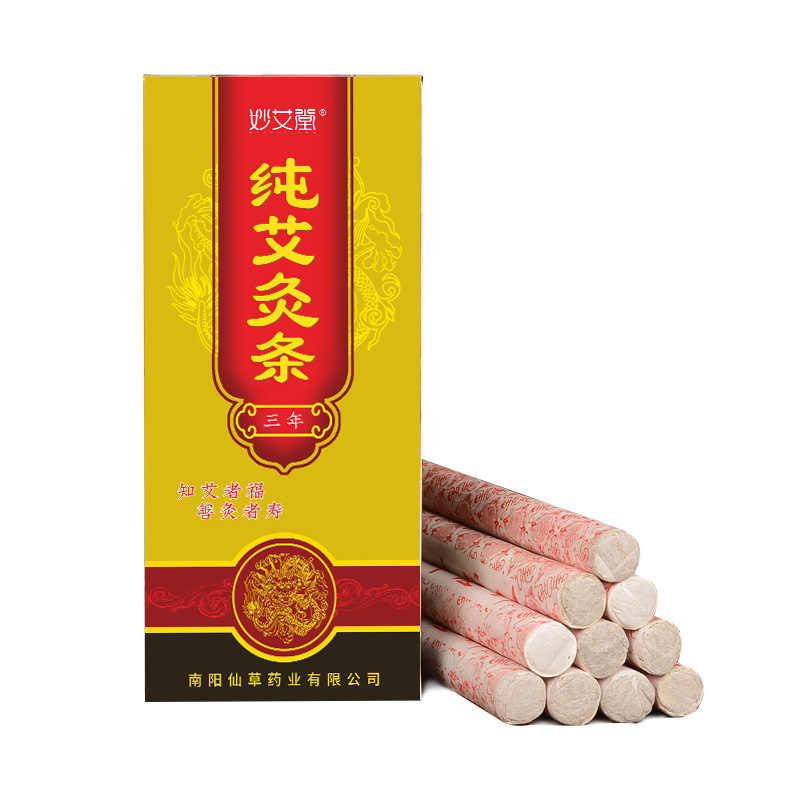
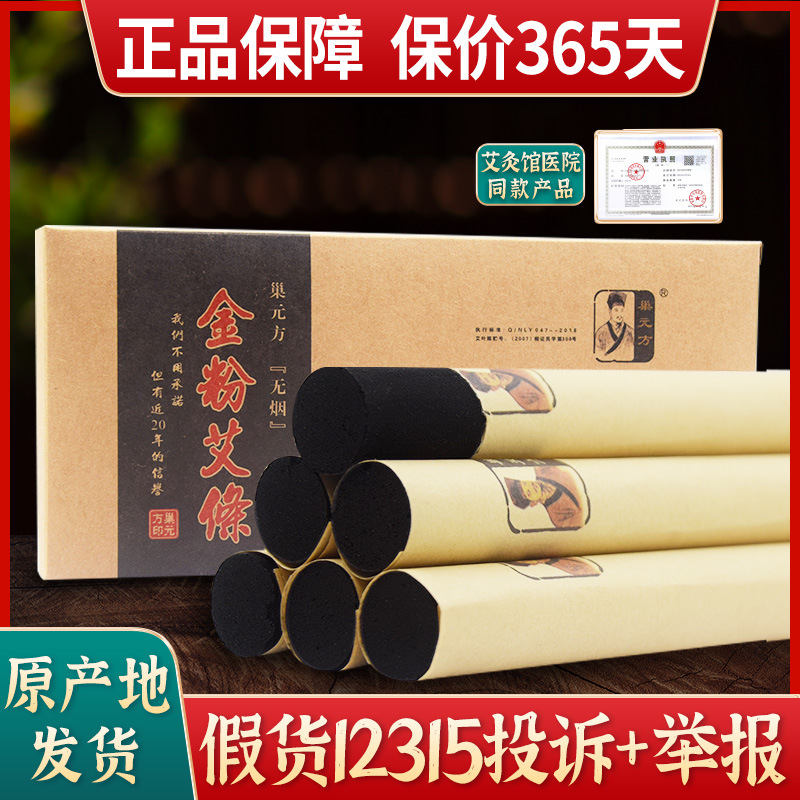
Moxa consumables need fields for botanical or material declaration, grade terminology and its definition, dimensions, mass or count where relevant, wrapping, forming, moisture or storage information when material, ignition and burn-observation method, ash expectation and package configuration. The specification should avoid unverified therapeutic statements. A low-smoke stick should state its composition and observed experience rather than assuming that ‘smokeless’ means zero emissions or the same heat as a traditional roll.
Patches need a defined construction: formula or fill reference, quantity or coating basis where available, substrate, adhesive area, liner, size, heat or cooling profile method if relevant, pouch material and seal, count, retail box and warnings. The intended-use and claims section is controlled by the buyer-market review. A domestic pain, treatment, detoxification, circulation or other efficacy statement is not transferred automatically into export artwork.
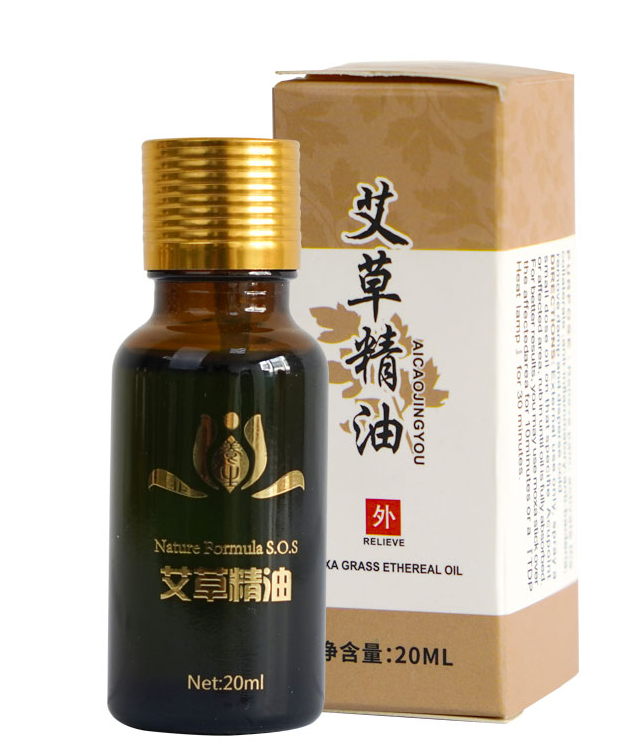
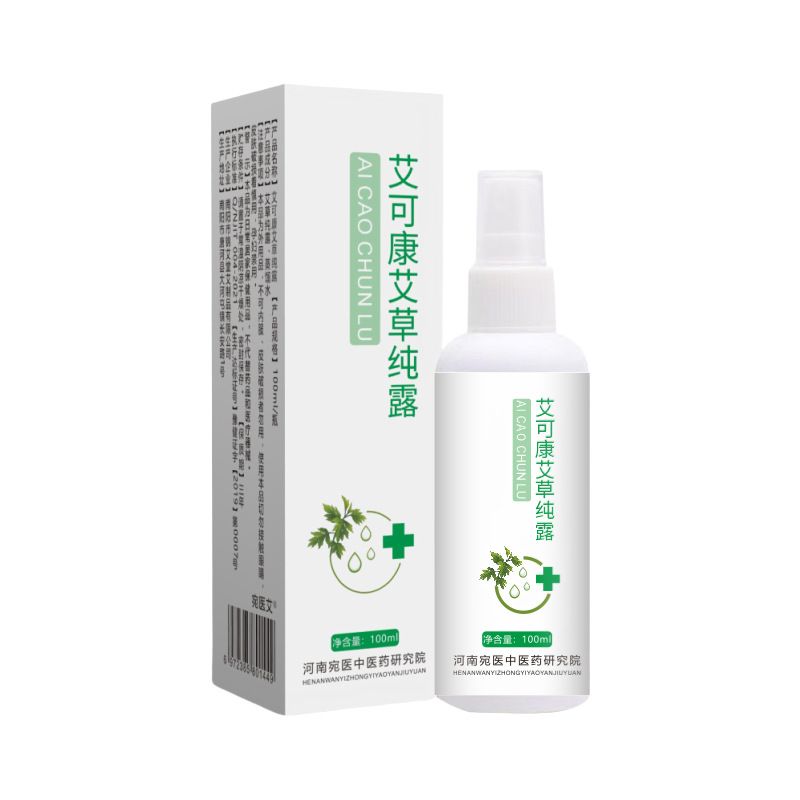
Oils and hydrosols need botanical identity, complete composition or INCI direction, plant part and process basis where claimed, dilution or preservation status, appearance and sensory limits, fill volume and tolerance, bottle, closure or sprayer, leakage method, label and carton. Water-based products need an appropriate microbiological and stability plan. Oil products need clarity on whether they are concentrated ingredients or diluted leave-on or massage products.
Tools and textiles need materials, dimensions, tolerances, heat-related or structural features where relevant, compatible consumables, accessories, assembly, seam or filling details, instructions and retail protection. A bamboo moxa box specification may include hole size, lid or latch, ventilation, ash screen, strap and compatible roll diameter. A mugwort pillow may require shell, filling composition, net weight range, seam, closure and odor or moisture controls.
How are packaging and artwork frozen?
Packaging is treated as a component system with approved files, suppliers, materials, dimensions and market text, not as decoration added after product approval.
The packaging bill identifies every level: direct-contact container or wrap, unit pouch, retail box, insert, label, tamper feature, inner carton and shipping carton. For each component, the specification records material, dimensions, color or finish, print file, barcode, count and supplier where substitution would affect performance. The package is reviewed as a system because a satisfactory bottle can leak with a different closure and a satisfactory pouch can fail after a different seal setting.
Artwork receives a version number and approval date. The final printer-ready file is stored with a rendered proof and text copy. The buyer verifies brand, product name, net content, ingredients or materials, instructions, warnings, responsible-party details, country-of-origin language, barcode and required market elements. The factory checks print dimensions, dieline, technical marks and production feasibility. Moxa Sourcing coordinates the comments and ensures that the file released for printing matches the approved version.
Claims are a separate gate. A supplier may provide domestic packaging with treatment, pain-relief, detoxification, sleep, circulation or other strong language. That text is not a translation source for the final overseas label. The buyer or importer must determine the destination classification and substantiation required. A neutral sample may proceed while claim review remains open, but printed packaging should not be released until the market owner signs the final wording.
A packaging prototype or printed sample is requested when risk justifies it. New bottles, sprayers, closures, pouches, cartons or multi-item kits may need leakage, use, label adhesion, seal, abrasion or transit review. The specification states whether a digital proof, component sample, filled pack or pilot production sample controls approval. This prevents a screen image from being treated as evidence of physical pack performance.
| Packaging gate | Evidence | Release authority | If not closed |
|---|---|---|---|
| Component | Material, dimensions, supplier and physical sample where needed | Product and packaging reviewer | Do not purchase bulk component |
| Artwork | Versioned final file, rendered proof and text check | Buyer plus factory technical check | Do not print |
| Market wording | Classification and claims review for destination | Buyer or importer | Use neutral draft only; no production release |
| Pack performance | Leakage, seal, adhesion, use or transit review | Agreed project approver | Revise component or method |
| Production pack | Pilot or first-off sample matches approved system | Factory and inspection reviewer | Hold finished packing |
What is change control between sample approval and shipment?
Any proposed change to a critical product, process, site or package element is recorded, risk-reviewed and approved before implementation.
Change is normal. A raw material may become unavailable, a bottle supplier may revise a closure, a printer may change substrate or a factory may propose another production line. The problem is silent change. The specification marks critical fields and states which substitutions require notice, documentary approval, a component sample, a new finished sample or repeat testing. The supplier agrees that commercial pressure does not override the approval route.
The change request describes the current state, proposed state, reason, affected lots, timing and supporting evidence. Reviewers ask whether the change affects identity, formula, sensory profile, burn behavior, heat, adhesion, leakage, compatibility, label, regulatory file, cost or lead time. The decision and conditions are version-controlled. Rejected changes remain recorded so the factory does not reintroduce them later through another purchasing contact.
Site and legal-entity changes receive special attention. A production move can affect permits, process, staff, equipment and inspection access. A new invoicing entity can affect contracts and document consistency. The buyer is notified before release. Public records and certificates are rechecked where relevant. The approved sample may remain useful, but a representative sample from the new route is often needed when the process risk changes.
The shipment file shows the final specification version, approved changes, artwork files, inspection plan, lot identity and handoff documents. The purpose is not paperwork for its own sake. It enables the buyer, factory and sourcing coordinator to answer a concrete question after arrival: which approved decision controlled this item, and what should happen if the delivered product falls outside it?
- No critical formula, material, component, site or artwork substitution without written notice.
- Classify the change by product, packaging, market and delivery risk.
- Define whether documents, a component sample or a finished sample are required.
- Record approval, rejection, conditions, effective lot and specification version.
- Reopen destination-market review if ingredients, intended use or claims change.
- Carry the final approved version into inspection and shipment records.
How does the specification control bulk production and inspection?
It converts approval into production instructions, in-process checkpoints and an acceptance plan tied to the actual order.
Before production, the factory reviews the specification against the purchase order, bill of materials, packaging order and artwork. Conflicts are resolved in writing. A pre-production meeting may be appropriate for new or higher-risk products. The factory identifies the intended batch or production period and confirms that approved materials and components are available. The buyer should not assume that paying a deposit means every technical question is closed.
The inspection plan selects checks from the specification. Incoming checks may confirm key materials, bottles, pouches or printed components. In-process checks may cover dimensions, weight or fill, seal, code, assembly and pack count. Finished checks may include appearance, function, leakage, defined burn or temperature observations, labeling, carton count and comparison with the retained sample. Test methods and sample size are agreed according to risk and order context rather than described as universal standards.
A nonconformance is assessed against a written field, tolerance, approved sample or test method. The parties decide containment, rework, replacement, concession or rejection according to severity and contract. The buyer must be involved when a deviation could affect intended use, label, claim, import file or customer experience. A concession for one lot does not silently change the future specification.
Import information also benefits from this discipline. The FDA notes that importers of FDA-regulated products can support smoother review by knowing their products and suppliers and providing complete, accurate and valid data to filers. The specific regulatory path depends on the product, but the operational lesson is broad: a product that is poorly defined in the supply file is difficult to describe accurately in a market or customs process.
Sources for this section: [4]
Which parts of this workflow are live and which still need evidence?
The method is ready for use, while public proof of completed execution still requires a redacted end-to-end case and approved templates.
Moxa Sourcing can publish the decision framework, required fields and responsibility boundaries now. These are practical methods that a buyer can apply to any mugwort order. The site can also provide downloadable blank tools once their versions are reviewed: buying brief, sample comparison form, specification template, artwork checklist, change request and responsibility matrix.
The stronger claim that this complete workflow has already controlled a finished commercial order requires first-party evidence. A redacted sample approval form, written specification, artwork approval and change-control example can turn the process into a public case study. The mugwort body oil or hydrosol development project can become that case when the sample, composition, packaging and test plan are finalized and confidential commercial information is removed.
Until then, the article uses future-facing process language where appropriate and states the missing evidence. It does not present a planned form as an audited operating history. This distinction matters for buyers and for search or AI systems assessing entity trust. A transparent evidence gap can be closed. An invented case or implied track record damages the credibility the content program is meant to build.
Buyers can still use the workflow immediately. Bring the selected reference, destination, intended use, quantity and packaging direction. The first task is to identify which product and market decisions are open. The second is to request samples and documents that close them. The third is to freeze the approved result before production. That sequence is valuable even before a public case study exists.
Sources and evidence notes
Public sources help frame terminology, specifications and buyer questions. They do not prove that every factory, formula or destination-market requirement is identical.
- [1]
Nanyang XianCao Pharmaceutical Production License RecordNational Center for Medicine Information Public Database · regulator · accessed 2026-08-27
Shows why the specification must identify the exact legal entity, production site and relevant licensed scope rather than a brand alone.
- [2]
Technical Specification for Mugwort Essential Oil Healthcare Products T/NYA 005-2023National Digital Standards Library · industry · accessed 2026-08-27
Provides a public example of product-family technical fields and shows that a standard still must be connected to the selected SKU.
- [3]
Hubei QiaiTang Technology Company and OEM ActivityHubei Provincial Department of Economy and Information Technology · regulator · accessed 2026-08-27
Provides a dated public example of multiple OEM product families that require different specification structures.
- [4]
Entry Review for FDA-Regulated ImportsU.S. Food and Drug Administration · regulator · accessed 2026-08-27
Supports the importance of accurate product, supplier and compliance information when regulated products are offered for U.S. import.
How this guide was prepared
Moxa Sourcing Editorial Team
The team translates supplier references, product samples and China-side sourcing workflows into practical English guidance for overseas buyers.
Moxa Sourcing Supply Review Team
The review team checks supplier attribution, commercial boundaries, product specifications and statements that require sample or market-specific verification.
Product availability, MOQ, price and production specifications are reconfirmed against the selected supplier reference. The buyer / importer remains responsible for destination classification, registration, final claims and customs clearance.