See the factory-matching method for moxa consumables, patches, oils, hydrosols, tools and textiles, with evidence and sample gates.
What comes before the factory search?
A usable product definition comes first, because a vague request attracts factories that are easy to find rather than factories that fit the risk.
The phrase ‘mugwort product’ is not a factory brief. It does not tell a supplier whether the buyer wants a traditional moxibustion consumable, a low-smoke alternative, a warming patch, a personal-care liquid, a foot-bath sachet, a tool or a textile. It does not identify the destination market, intended use, buyer type, packaging level or expected quantity. Searching before these decisions are stated creates a long list but a weak comparison.
We begin by defining the buying outcome. A clinic distributor may prioritize dimensions, burn behavior, pack count and stable replenishment for moxa rolls. A wellness brand may prioritize formula disclosure, packaging control and market-appropriate wording for patches. A spa or personal-care buyer may need a complete INCI direction, fill tolerance, bottle compatibility and stability plan for an oil or hydrosol. An ecommerce gift buyer may prioritize presentation, mixed assortments and transit protection. Different outcomes point to different processes.
The buying model also changes the search. An existing wholesale reference should be evaluated for availability, current pack, batch consistency and whether the domestic presentation can be adapted. A private-label project requires artwork, pack components, production minimums and change control. A new formula or structure requires development ownership, testing, pilot review and a longer decision path. Comparing quotations across these three models produces false savings unless the scope is normalized.
The first deliverable is therefore a one-page brief with the product form, destination, sales channel, quantity, buying model, mandatory attributes, open decisions and evidence request. It should name the person who will decide classification and claims. It should also state what will control approval: a physical sample, a numeric specification, a supplier declaration, a test result or a buyer-market decision. Once those fields exist, factory research becomes a matching exercise rather than a browsing exercise.
| Brief field | Question to close | Why it changes the factory match |
|---|---|---|
| Product form | Roll, wool, patch, liquid, sachet, tool or textile? | Determines the core manufacturing process |
| Destination and intended use | How will it be classified, labeled and sold? | Changes evidence, formula and artwork requirements |
| Buying model | Existing, private-label adaptation or new development? | Changes MOQ, lead time and development ownership |
| Critical quality attributes | Which failures would make the order unusable? | Focuses sampling and factory review |
| Approval evidence | What will prove that each decision is closed? | Prevents catalog language from becoming an uncontrolled specification |
How do we identify the process that must be controlled?
We trace the product backward from its likely failure modes to the materials, equipment and decisions that create them.
For a pure moxa roll, the visible product is simple, but the buyer may care about material description, dimensions, density, wrapping, ignition, smoke, odor, burn stability, ash and pack count. Those attributes point toward material preparation, forming and wrapping controls. A factory that can show a good conference room and a broad catalog has not yet answered these questions. The relevant evidence is a reproducible sample, the exact line or process, a written reference and consistent lot identification.
For a warming patch, common commercial failures include an unsuitable temperature profile, uneven active fill, weak or excessive adhesion, pouch leakage, inconsistent size, incorrect pack count and risky label wording. These point toward formula or heat-material handling, dosing, substrate conversion, sealing, packaging inspection and artwork control. If the supplier does not perform one of those steps, the partner facility must be disclosed and included in the specification and nonconformance process.
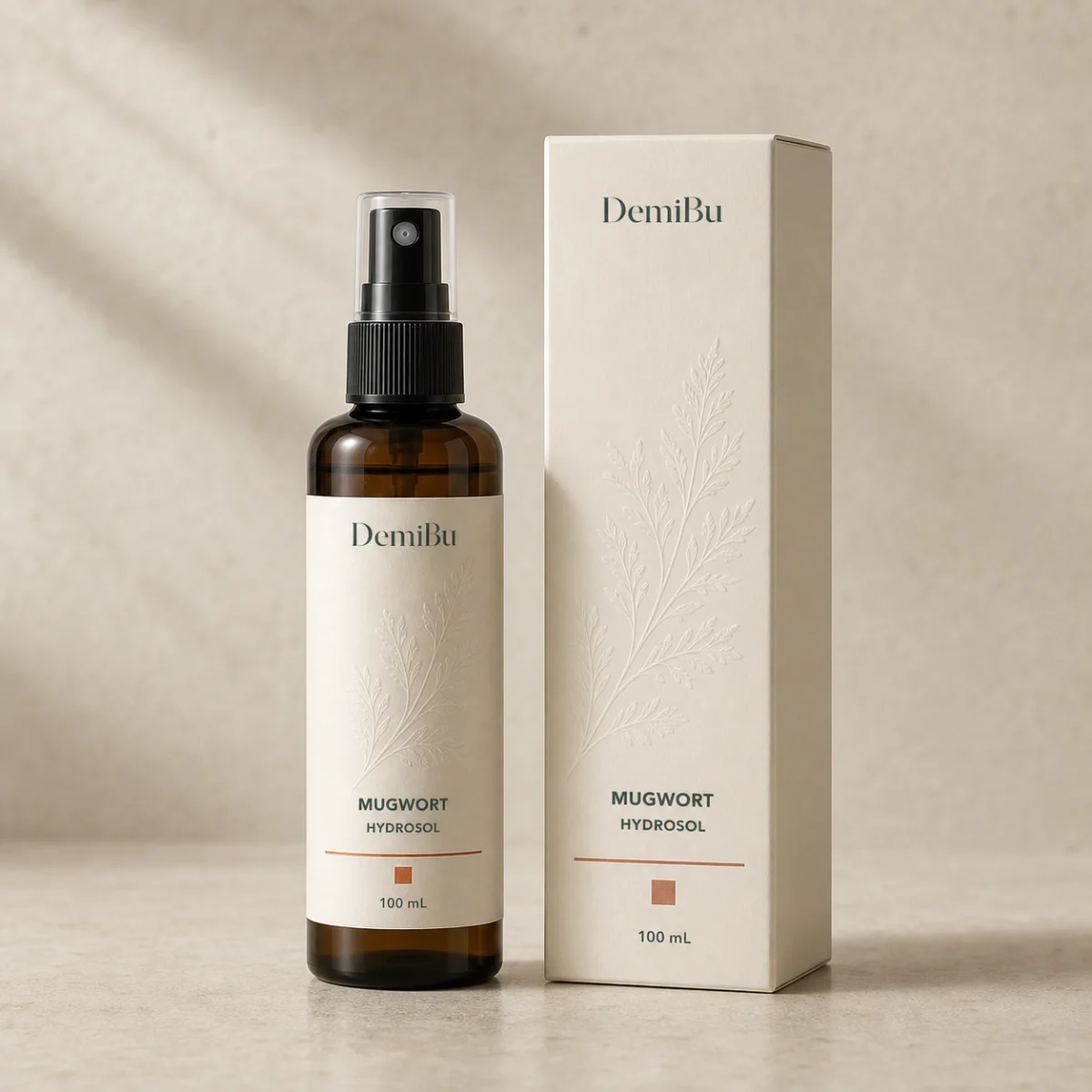
For a mugwort oil or hydrosol, the words used in a catalog can hide the most important difference. A product called ‘mugwort essential oil’ may be a concentrated ingredient, an aromatic blend or a diluted body or massage oil. A hydrosol may be a distillation water, a formulated spray or another water-based product. Factory matching therefore begins with composition, botanical identity, dilution or preservation status and intended use. Filling capability matters, but it cannot repair an undefined product identity.
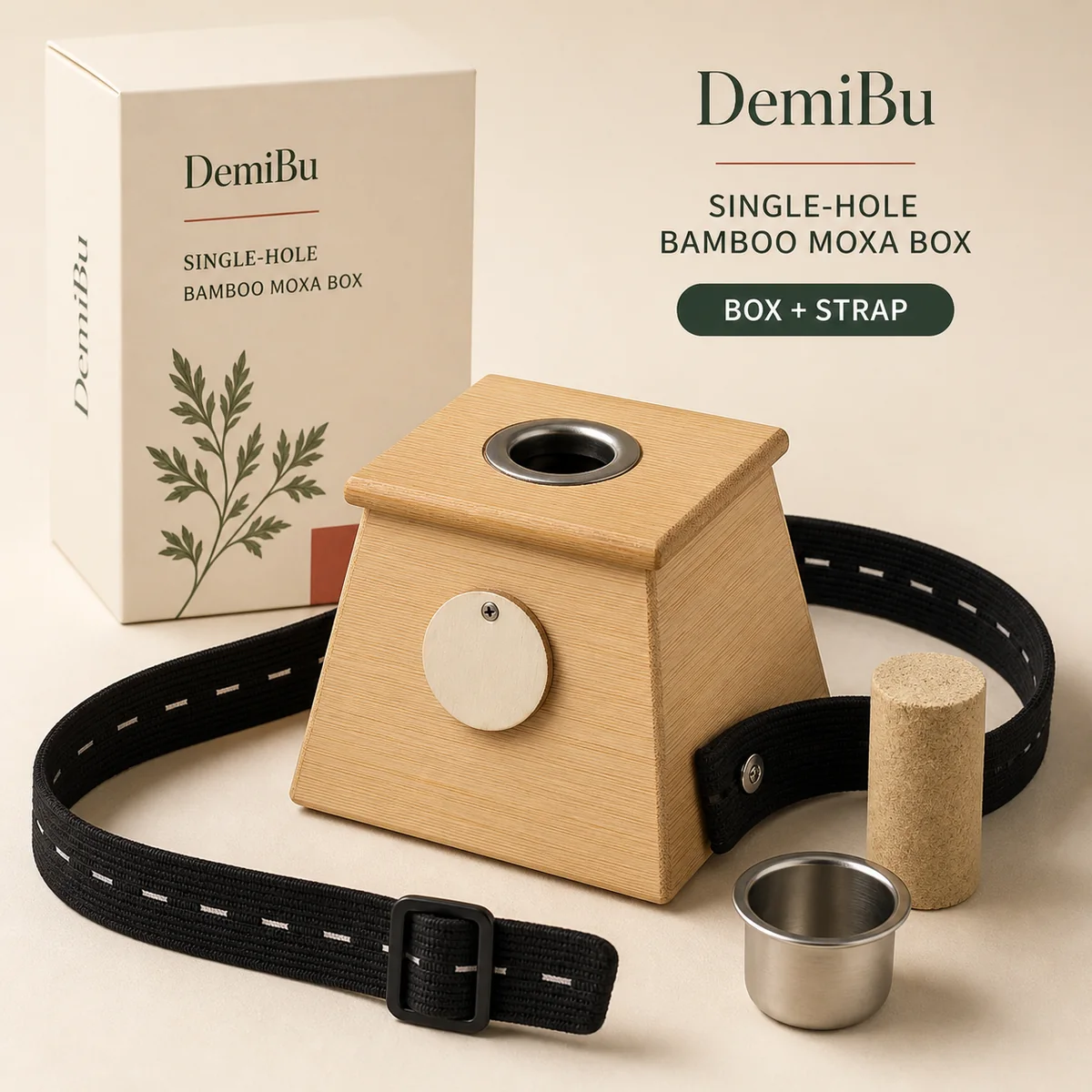
For tools and textiles, the risk moves toward dimensions, material, heat resistance, ventilation, ash retention, seams, filling, odor, accessory compatibility and instructions. Local specialist workshops may be appropriate. The sourcing structure should not hide them behind a general factory profile. It should document who makes the item, who controls incoming materials, where the approved sample is held, where final inspection happens and which party corrects a failed lot.
How is public evidence used without overstating it?
Every public record is interpreted according to its exact holder, scope, date and evidentiary purpose.
Manufacturing documents are reviewed by production site, permitted activity, product scope and validity. We use the records relevant to the selected product when planning samples, specifications and order documentation.
Manufacturing documents are reviewed by production site, permitted activity, product scope and validity. We use the records relevant to the selected product when planning samples, specifications and order documentation.
Manufacturing documents are reviewed by production site, permitted activity, product scope and validity. We use the records relevant to the selected product when planning samples, specifications and order documentation.
Supplier websites and catalogs are another evidence class. They show what the supplier publicly offers or claims. The specialist manufacturer OEM page, for example, presents multiple product families and private-label services. It helps establish commercial scope and generate questions. Output or certification claims on a supplier page remain supplier statements unless current primary documents or independent sources support them. The source label should travel with the claim so the buyer understands its weight.
What does the specialist-factory scorecard measure?
It measures fit for the proposed SKU and project, not a universal score for the company.
The first score is process fit. Can the proposed site perform or directly control the steps that create the product’s critical attributes? If the supplier uses another facility, is that structure disclosed and contractually controlled? The second score is evidence fit. Can the supplier provide a clear legal entity, site, formula or material statement, sample, specification inputs, batch identification and relevant current documents? A factory may be strong in one dimension and weak in the other.
The third score is sample fit. We compare the physical product against the buyer’s defined use, channel and failure modes. A sample that photographs well may fail because it leaks in transit, produces a different burn experience, does not fit the intended holder, uses a poorly sealed pouch or lacks enough composition information for market review. Sample approval is a commercial decision supported by observations and tests, not a reward for fast shipping.
The fourth score is execution fit. The supplier must communicate changes, respect the approved reference, confirm pack components, provide production timing and handle nonconformance. An experienced factory can still be unsuitable if it substitutes materials without approval or treats artwork as the buyer’s problem after printing. Conversely, a smaller specialist may be suitable when it controls the process, gives clear evidence and accepts a disciplined change-control workflow.
The fifth score is commercial fit. Minimum order quantity, tooling, packaging minimums, payment terms, sample cost, lead time and domestic consolidation affect the buyer’s cash and launch risk. The lowest unit price is not always the lowest project cost. We compare equivalent scope: the same product definition, unit pack, retail pack, carton, documents, inspection and handoff. If suppliers quote different scope, the differences are written before price is ranked.
| Scorecard dimension | Pass evidence | Reason to pause |
|---|---|---|
| Process fit | Relevant process observed or documented at named site | Critical step is hidden or assigned to an unidentified workshop |
| Evidence fit | Entity, site, material or formula and relevant current files align | Certificate logo has no holder, scope, number or validity |
| Sample fit | Approved reference passes defined product and packaging observations | Decision is based only on listing images or supplier description |
| Execution fit | Change approval, batch identity and nonconformance route are accepted | Supplier may substitute components without written consent |
| Commercial fit | Quote scope, MOQ, lead time and handoff are comparable | Low price excludes necessary packaging, documents or inspection |
How do samples decide between two plausible factories?
Samples close the product questions that public records and factory profiles cannot answer, provided the comparison method is written before testing.
Two suppliers may both have valid entities, relevant equipment and acceptable commercial terms. The decision then moves to the actual product. The buyer and sourcing reviewer should agree on a comparison sheet before opening the samples. The sheet records reference code, supplier, date, product configuration, packaging, observations, measurements, missing documents and decision. This prevents the review from becoming a memory-based preference for one appearance or scent.
The comparison method should fit the family. Moxa rolls can be assessed for physical dimensions, weight where relevant, wrapping, ignition, burn observation, smoke and odor comparison, ash and pack integrity under a consistent setup. Warming patches can be compared for construction, seal, adhesion and an appropriately designed temperature or wear observation. Oils can be compared for composition information, sensory profile, fill, closure, leakage and label compatibility. Hydrosols add sprayer performance, preservation and microbiological planning.
The sample can be approved, rejected or conditionally approved. Conditional approval is useful when the core product is acceptable but the bottle, pouch, label or count needs revision. The condition must become a tracked action with a replacement sample or documented component approval. It should not be left in chat history. If the supplier changes a critical material or process after approval, the buyer decides whether re-sampling is required before production continues.
A retained approved sample is valuable, but it is not enough by itself. Samples can age, packaging can be damaged and subjective characteristics are hard to reconstruct. The written specification should capture dimensions, materials, formula or composition reference, pack configuration, artwork version, tolerances and test method. The retained sample then supports the written record rather than replacing it.
- Use one comparison sheet and one naming convention for all candidates.
- Photograph identifying marks and measurement setup, not just beauty shots.
- Separate product acceptance from missing document closure.
- Record conditional approvals as change actions with owners and deadlines.
- Retain the final approved reference and link it to the production specification.
- Require re-approval when a critical component, formula or process changes.
How are factory identity and partner disclosure handled?
The buyer receives the manufacturing structure needed for the order, while public marketing uses partner identities accurately and distinguishes source attribution from exclusive endorsement.
During an active project, the buyer should know the proposed legal seller, actual manufacturer, production site and any material subcontracting that affects quality or documents. That information is necessary to review risk and allocate responsibility. Confidentiality may limit distribution, but it should not create a hidden manufacturer. The commercial agreement should state which party answers for a failed batch and how inspection or corrective action is handled.
Public disclosure should be accurate and commercially useful. A supplier name, brand or public catalog image may identify the real wholesale source or product reference. It must not be turned into a claim of factory ownership, exclusive agency, blanket certification or endorsement beyond the actual relationship. Facility photographs require privacy and confidentiality review so unrelated people, customer products and sensitive production information are not exposed.
This approach also protects the buyer from unstable claims. If a supplier changes its legal entity, site, certification or production arrangement, a permanent promotional badge can become misleading. A controlled supplier record is reviewed against the current project. The public trust page should display only evidence that remains current, has an owner and is scheduled for review. Expired or unresolved items move to an internal status instead of staying online by inertia.
The method is designed to make uncertainty visible. Public-verified facts can be cited. Internal-confirmed facts can guide the search but should not be presented as independent endorsement. Sample-required points are closed on the chosen reference. Buyer-market decisions are assigned to the importer or its adviser. Missing evidence remains a request, not a sentence rewritten as confidence.
What does a final factory recommendation contain?
It contains a bounded recommendation for one SKU and project stage, supported by evidence, open items and a next-step approval plan.
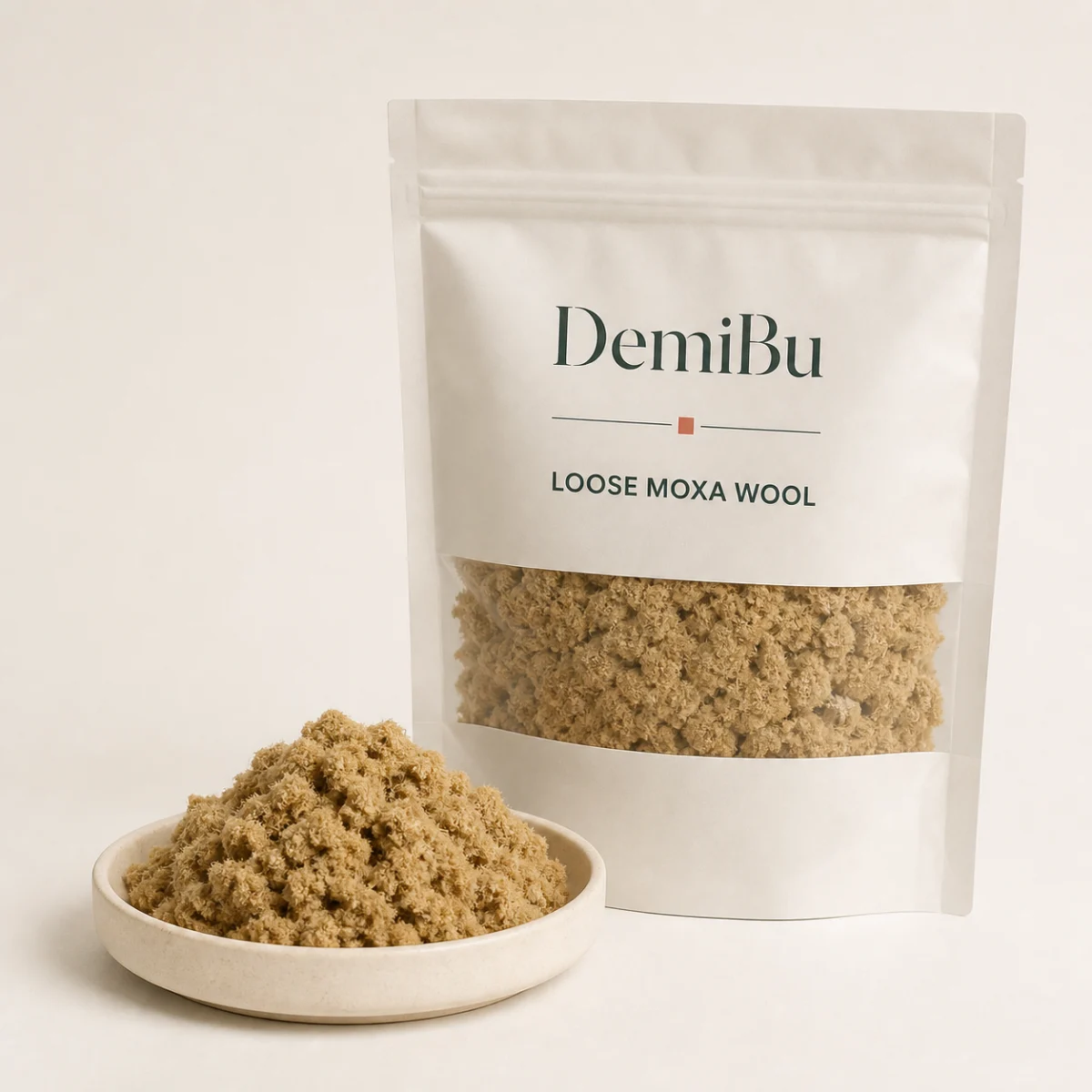
The recommendation should identify the product reference, proposed factory and site, buying model, current sample status, main reasons for selection, written specification status, quotation scope, expected MOQ or commercial constraint, document status and unresolved questions. It should not say that a supplier is universally superior. A factory selected for loose moxa wool is not automatically selected for a warming patch or a hydrosol.
The recommendation also states what has not been verified. Current production capacity may need confirmation. A certificate may require an issuing-body check. The buyer may still be deciding the intended use and claims. A package may require a transit test. These open items are assigned to a person and gate. Production does not begin merely because the factory has received a deposit if a critical product or artwork decision remains unresolved.
The buyer or importer retains the destination-market role. Moxa Sourcing can organize supplier evidence, samples, written specifications and China-side follow-up. The factory can manufacture to the agreed record. Neither party can make a destination classification, registration, final-claim or clearance decision disappear. If the buyer needs legal, laboratory, customs or responsible-person services, qualified providers are engaged under a defined scope.
This factory-matching method is deliberately product-specific. It may appear slower than choosing the first attractive catalog, but it moves work to the stage where change is cheaper. The result is a smaller shortlist, a clearer quotation, a defensible sample decision and a production reference that can be inspected. That is the practical difference between finding a factory and choosing a factory.
| Recommendation field | Required content |
|---|---|
| Proposed supply path | Legal seller, actual manufacturer, site and disclosed partner process |
| Product evidence | Reference code, sample decision, composition or material and specification version |
| Commercial evidence | Comparable quote scope, MOQ drivers, packaging minimums, lead time and handoff |
| Open decisions | Missing documents, buyer-market questions, additional tests and responsible owner |
| Production gate | Conditions that must be approved before deposit, material purchase, printing or bulk release |
Sources and evidence notes
Public sources help frame terminology, specifications and buyer questions. They do not prove that every factory, formula or destination-market requirement is identical.
- [1]Nanyang Mugwort Industry Shows Strong Development MomentumThe People’s Government of Henan Province · regulator · accessed 2026-08-27
Supports the existence of multiple product families, standards and specialist resources in Nanyang at regional level.
- [2]specialist manufacturer Production License RecordNational Center for Medicine Information Public Database · regulator · accessed 2026-08-27
Demonstrates how a public license must be read by named entity, site, scope and validity rather than generalized across a catalog.
- [3]Technical Specification for Mugwort Essential Oil Healthcare Products T/NYA 005-2023National Digital Standards Library · industry · accessed 2026-08-27
Shows a public product-family standard and a drafting-organization record relevant to mugwort essential-oil specialization.
- [4]specialist manufacturer Company and OEM ActivityHubei Provincial Department of Economy and Information Technology · regulator · accessed 2026-08-27
Provides a dated government-published example of a Qichun company operating across multiple product families and OEM or ODM activity.
- [5]Hubei Health-Related Product Permit Notice, Issue 6 of 2025Hubei Provincial Health Commission · regulator · accessed 2026-08-27
Illustrates that a current permit is limited to the exact holder, site and liquid antibacterial or bacteriostatic production scope stated.
How this guide was prepared
Moxa Sourcing Editorial Team
The team translates product references, product samples and China-side sourcing workflows into practical English guidance for overseas buyers.
Moxa Sourcing Supply Review Team
The review team checks supplier attribution, commercial boundaries, product specifications and statements that require sample or market-specific verification.
Product availability, MOQ, price and production specifications are reconfirmed against the selected product reference. The buyer or importer leads the destination-market decision and retains applicable statutory importer duties; Moxa Sourcing supports the process by coordinating product and supplier evidence, specifications, documents, testing and label inputs, version control and agreed professional partners.