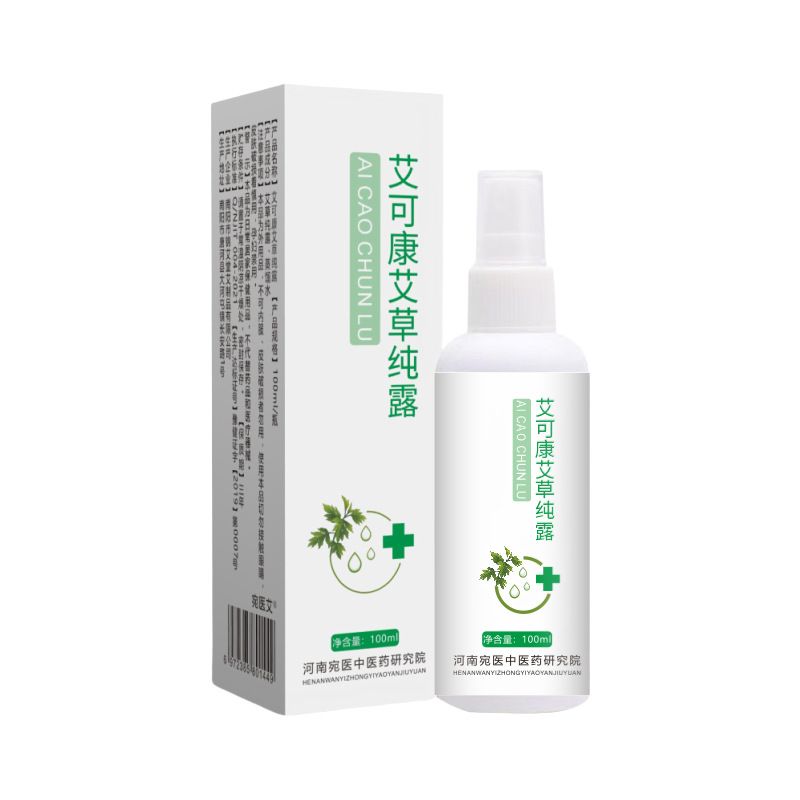
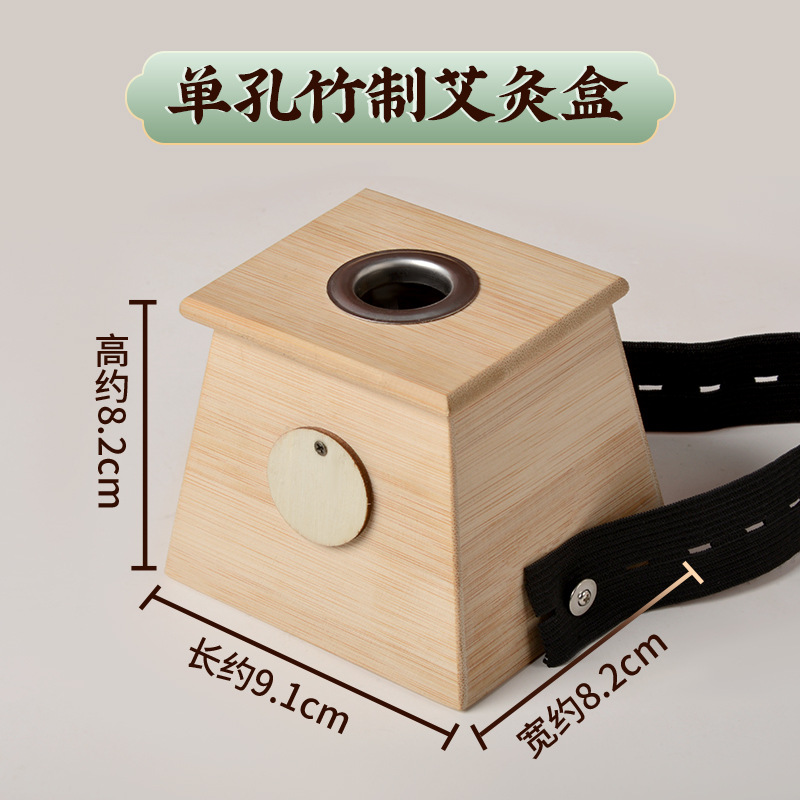
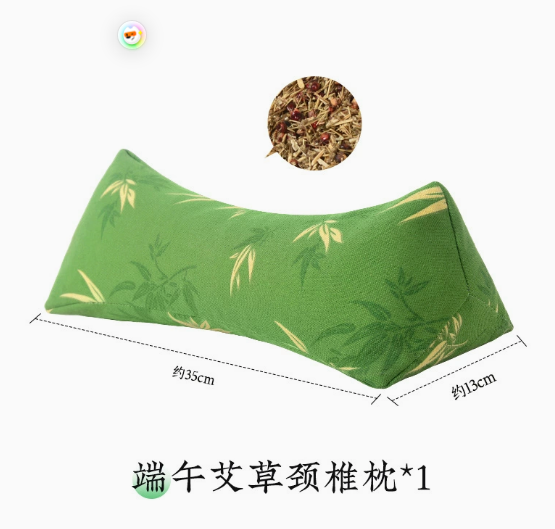
A source-backed map of Nanyang and Qichun mugwort suppliers, product capabilities, public evidence and the limits buyers must verify by SKU.
What is publicly established about Nanyang’s mugwort industry?
Public sources establish Nanyang as a deep cultivation, production and product-development cluster, while leaving individual supplier capability to be verified separately.
The Nanyang Agriculture and Rural Affairs Bureau reported in 2024 that the city had nearly 300,000 mu of mugwort planting, close to 2,000 related enterprises and 18 export enterprises. The same article described Nanyang as a major planting, production and sales base. A separate Henan government report published in 2023 described six product series, more than 200 product varieties, four released local standards and several research or innovation platforms connected to mugwort development. These are meaningful public indicators of a mature regional ecosystem.
For an overseas buyer, the ecosystem matters because a single project can require several capabilities. A moxa-roll program may need raw-material preparation, grading, forming and paper wrapping. A low-smoke product may require a different material and manufacturing route. A warming patch involves substrates, adhesive, formula handling and sealed pouches. Mugwort oils, hydrosols, foot-bath sachets, bamboo tools and textiles each bring different process and packaging questions. A cluster with many related businesses makes it possible to compare specialist routes without pretending one site controls everything.
The public figures must remain dated and attributed. They describe the city, not the current capacity or export experience of a named company. The statement that 18 export enterprises existed in the regional industry does not mean that any factory displayed on a marketplace is one of them. It also does not establish which products those enterprises exported, in what quantities, to which markets or under which classification. A buyer should use the regional data to justify deeper research, not to skip it.
Nanyang’s visible commercial strength is product breadth. Domestic catalogs can contain moxa rolls and cones, loose wool, warming formats, daily-care products, textiles, tools and gift sets. That breadth is valuable for assortment planning, yet it can blur the production chain. Some goods may be made on the supplier’s own line; others may be assembled or purchased from a local specialist. The sourcing file should identify the actual manufacturer, site, agreed specification and inspection responsibility for every approved SKU.
What is publicly established about Qichun and Qiai?
Qichun is the origin cluster associated with Qiai and has a publicly documented network of cultivation, processing, product businesses and authorized geographical-indication users.
A Hubei agriculture research report identifies Qiai as a Hubei traditional medicinal material and a Chinese geographical-indication product associated with Qichun. A 2023 Hubei article reported more than 200,000 mu of Qiai planting, nearly 3,000 market entities and more than 1,000 products across 28 series. Those figures show why buyers encounter a large number of Qichun offers spanning moxa consumables, patches, personal-care formats, foot care, household goods and tools.
Qiai is not simply a marketing synonym for any mugwort product. Origin and authorization matter when a seller uses a protected geographical-indication name or special mark. The Hubei Intellectual Property Office has published a directory of authorized users, including the date basis of the directory. A buyer should check the current authorization, legal entity and product eligibility before approving origin marks or related artwork. A supplier’s location in Qichun does not alone prove that every ingredient, blend or finished product qualifies for the mark.
Public reporting also provides examples of integrated Qichun companies. A 2022 Hubei government feature described Hubei Qiaitang Technology as operating across Qiai planting, research, production, sales and OEM or ODM, with a broad product range. This supports the existence of substantial OEM capability inside the cluster. The report’s product-count and output figures are historical facts from 2022, not an audited statement of present capacity. Buyers should request current SKU-specific capacity, site and batch-control evidence when it affects the order.
Qichun may be especially relevant when botanical origin and Qiai identity are central to the buyer’s positioning. Nanyang may offer a wider array of conventional mugwort product platforms and manufacturing specializations. This is not a quality hierarchy. The correct choice depends on product form, required origin, process, sample result, evidence, pricing structure and destination-market plan. Some programs may legitimately use both clusters for different product families.
How do the two clusters differ in a buyer’s sourcing map?
The practical difference is not a universal quality ranking; it is the concentration of different supply paths, origin narratives and supporting public evidence.
A buyer should begin with the product architecture. If the initial assortment centers on moxa rolls, loose moxa, cones, tools and several daily-care references, Nanyang’s broad industrial network may provide many comparison points. If the program requires a Qiai-origin story, an authorized origin mark or a Qichun-centered brand narrative, Qichun becomes essential. For patches, oils, foot-bath products and gift formats, both clusters may contain viable routes, and the exact factory process matters more than the city name.
The second map is evidence. Nanyang has public regional statistics, standards-development information and product-production records for specific entities. Qichun has regional statistics, Qiai origin evidence, geographical-indication user directories and public profiles for integrated companies. A sourcing team should attach the relevant source to the relevant claim. Regional statistics support cluster context. A license supports only its named holder, site, scope and validity. A group-standard drafting record shows participation in a standard, not automatic compliance by every SKU.
The third map is logistics and coordination. Combining factories can increase product coverage but also creates multiple minimum order quantities, production calendars, carton formats and document sets. Consolidation may be practical for samples and some commercial orders, but it must be planned. A low unit price at one factory may be offset by separate domestic transport, extra handling, repacking or a delayed consolidation date. The RFQ should ask for ex-factory pack data and the proposed handoff route before comparing total landed options.
The fourth map is disclosure. Partner names, logos, factory photographs, certificates and product images should not be published as Moxa Sourcing endorsements merely because they appear online. Public availability proves that a source exists; it does not grant permission to imply a partnership. Until written authorization is obtained, a public-facing sourcing site can describe the route neutrally, such as ‘Nanyang moxa-consumables partner’ or ‘Qichun Qiai OEM partner,’ and provide product-level evidence without presenting the supplier as a named endorser.
| Decision lens | Nanyang questions | Qichun questions | Evidence required |
|---|---|---|---|
| Product fit | Which specialist process makes this format? | Does the SKU require Qiai origin or a Qichun-specific route? | Actual manufacturer, process map and sample |
| Origin language | Is the material simply identified as Chinese mugwort or Artemisia argyi? | Is Qiai identity claimed, and is use of the mark authorized? | Origin declaration and current authorization where applicable |
| Catalog breadth | Which displayed items are made internally or through local partners? | Which integrated or partner sites make each family? | SKU manufacturer and production-site list |
| Commercial coordination | Can several specialist suppliers meet one consolidation plan? | Can Qiai-focused products align with the same shipment? | Pack data, MOQ, lead time and handoff plan |
| Public trust | Which government, license or standard source supports the statement? | Which government, GI directory or current permit supports it? | Dated direct URL plus scope note |
Why should buyers avoid judging suppliers by catalog size?
Catalog size measures sales coverage, not necessarily manufacturing control, product evidence or suitability for the destination market.
A catalog with hundreds of items can be useful for discovery. It can reveal common dimensions, pack formats and product families. It can also contain old references, domestic-market claims, reseller products, partner-made goods and images that no longer match current packaging. Before a product enters the buying shortlist, the supplier should reconfirm availability, actual manufacturer, current formula or material, package configuration, minimum order quantity and the documents available for the exact reference.
Buyers should distinguish a source reference from an approved SKU. A reference is a starting point: an image, offer page, spreadsheet row or supplier sample that helps define the direction. An approved SKU exists only after the physical sample and written specification are aligned. If the buyer changes the formula, dimensions, bottle, pouch, printing or instructions, the original marketplace reviews and catalog photos may no longer describe the final item. The approval record must follow the customized version.
The same discipline applies to certificates. A factory may display ISO, CE or other logos in a catalog. The buyer still needs the certificate number, legal holder, issuing organization, site, scope and validity. Product certificates must be connected to the exact model or family and the intended market. A management-system certificate can support the existence of a system; it does not authorize a medical, cosmetic, therapeutic or universal compliance claim for every catalog item.
A smaller specialist can be the correct supplier when it controls the high-risk process and provides clear evidence. A larger integrated business can be the correct supplier when it provides stable capacity, documented controls and multi-product coordination. The decision cannot be made from size language alone. The useful comparison is whether the supplier can reproduce the approved specification, disclose the manufacturing structure and close the buyer’s document questions before bulk production.
What should be verified during samples and factory review?
The review should test the product’s main failure modes and confirm that the visible manufacturing and documentation controls belong to the exact SKU and site.
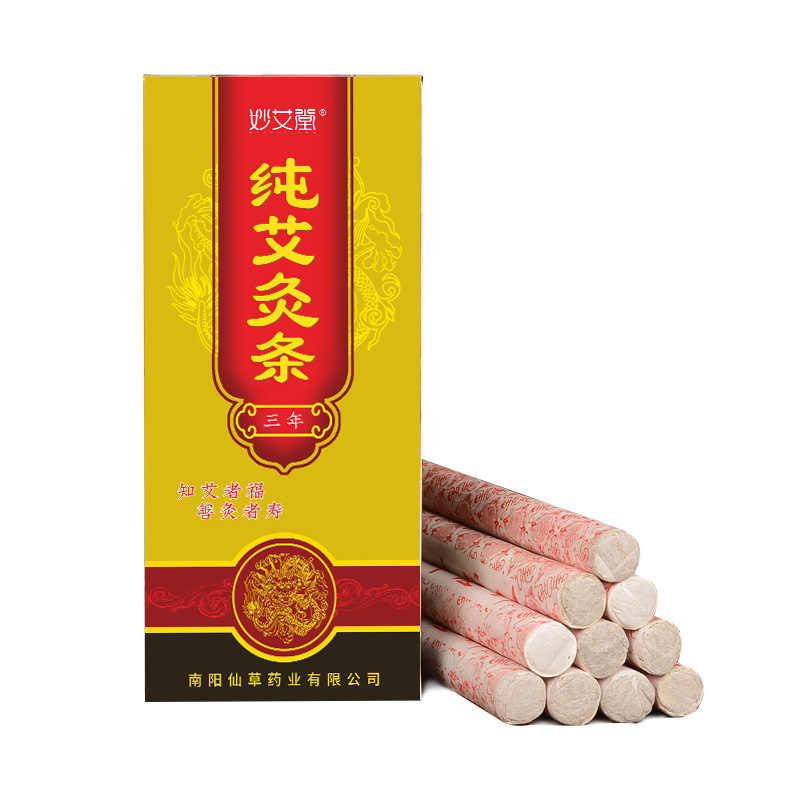
For moxa consumables, record dimensions, weight or count, appearance, material description, density where relevant, ignition, smoke and odor observations, burn duration under a defined setup, ash behavior and packaging integrity. These are not medical performance tests. They are repeatable product observations that help compare references. The approved sample should be retained, photographed and coded so that a later production lot can be checked against the same reference.
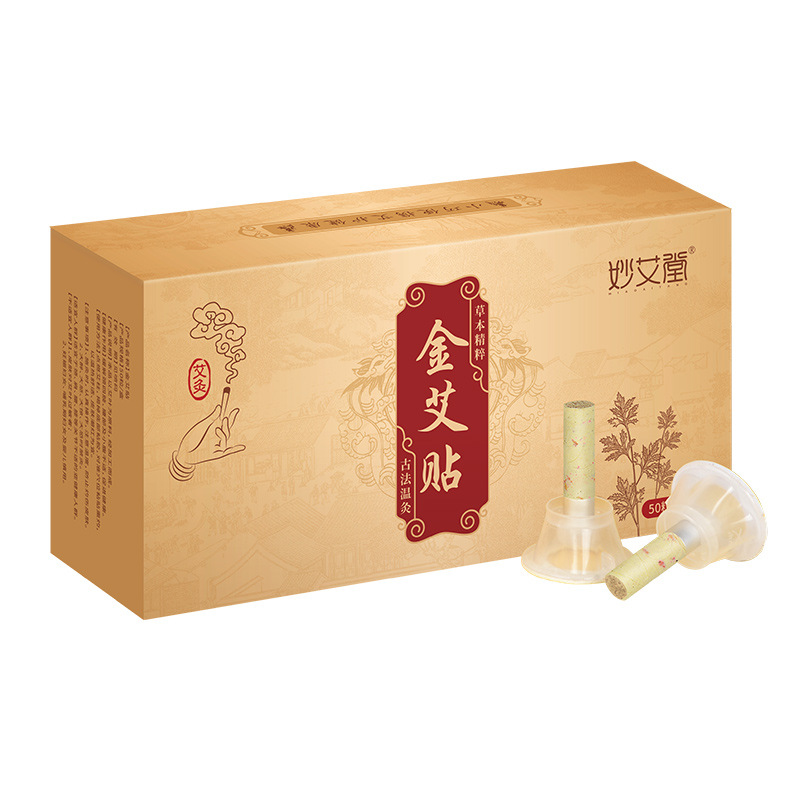
For patches, the sample plan depends on the construction. Record size, shape, substrate, adhesive area, pouch seal, pack count, label information and any temperature or wear profile claimed by the supplier. Skin-contact and heat-related decisions require appropriate risk review. The buyer must determine the intended-use wording and destination-market classification before final artwork. Claims such as treatment, pain relief, detoxification or guaranteed results should not be imported from a domestic package into overseas marketing without market-specific substantiation and review.
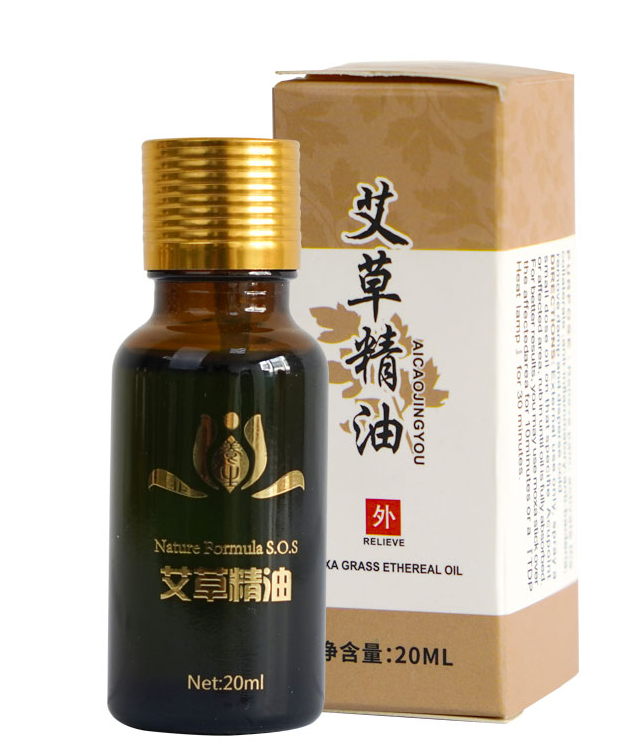
For oils and hydrosols, do not approve from scent and appearance alone. Obtain the complete composition or INCI direction, botanical identity, dilution or preservation status, fill volume, container and closure specification. Test leakage, label adhesion and use performance. A water-based hydrosol needs an appropriate microbiological and stability plan; an oil needs clarity on whether it is a diluted body or massage oil or a concentrated ingredient. The buyer’s intended use controls the next compliance questions.
During a factory visit, verify the legal name at the site, the processes relevant to the SKU, material storage, batch identification, in-process checks, finished-goods handling and how nonconformance is managed. Photographs should be dated and tied to observations, not used as decorative proof. If a process is performed by a partner, record that partner and decide where the approved sample, specification and inspection responsibility sit. A visit improves understanding; it does not replace product tests or current records.
- Match the exterior sign and site address to the contracting or manufacturing entity.
- Follow the exact SKU through material, process, packing and batch identification.
- Ask which steps are subcontracted or performed at another related company.
- Record what was observed, what was shown by the supplier and what remains unverified.
- Request permission before using visit photographs or supplier names publicly.
- Convert approved observations into a written specification and inspection plan.
How can an overseas buyer use this supply map in an RFQ?
Use the map to request the right evidence and sample path, not to send the same generic quotation request to every company in both regions.
Start with one commercial objective. State the destination, buyer type, sales channel, product family, desired quantity, target positioning, packaging level and launch date. Then state whether the project is existing wholesale, a private-label adaptation or new development. This tells the sourcing team whether it should prioritize speed, low development cost, formula control, origin positioning or multi-factory assortment breadth.
Ask for a short list rather than a data dump. Each candidate should include the exact reference, proposed manufacturer, location, why it fits, sample status, starting specification, available documents, open questions and a quotation scope. If Qiai origin is essential, state it. If the buyer only needs a practical mugwort product and origin is not part of the claim, allow both clusters to compete on process, evidence and commercial fit.
Plan the buyer’s decisions at the same time. The supplier cannot finalize a compliant overseas label without knowing the destination, product classification and approved claims. The sourcing partner cannot guarantee clearance without knowing the importer, route and documents. A customs broker cannot decide whether an unreviewed formula can be marketed as a cosmetic, device or wellness product. The RFQ should assign who will close each question and by what date.
Finally, keep the network flexible until the sample evidence is strong. A product family may move from one cluster to another if the sample, documentation, MOQ or process is more suitable. That is not a failure of the supply map; it is the purpose of comparison. The objective is not loyalty to a location. It is a controlled assortment in which each product has an identified maker, approved reference, written specification, buyer-approved market path and practical handoff plan.
| RFQ field | Why it changes the cluster or supplier choice | Example of a usable answer |
|---|---|---|
| Destination and importer | Controls classification, documents, label and clearance planning | United States; buyer appoints importer and customs broker |
| Product identity | Separates material and process families | Traditional moxa roll, 18 x 200 mm, retail box |
| Origin requirement | Determines whether Qiai-specific evidence is required | Qiai origin required, subject to authorization evidence |
| Buying model | Changes sample scope, MOQ and development work | Existing product for sample, then private-label package |
| Evidence request | Prevents irrelevant certificate bundles | Composition, site, current pack spec, batch record and agreed tests |
| Consolidation plan | Affects total cost and production calendar | Three product families, one China-side handoff after inspection |
What remains to be added before named partners appear on the website?
Named partner claims require permission and first-party proof that the relationship, visit and relevant product work are real and current.
Public supplier pages can be cited for what a supplier states about itself, and government sources can support regional or entity-specific facts. Neither automatically authorizes Moxa Sourcing to use a supplier’s logo, facility images or name in a way that implies endorsement. Before publishing named partner cards, the site should hold written permission that covers the relationship wording and the exact assets to be shown.
The evidence pack should include current business records, relevant permits or certificates, dated factory-visit materials and at least one redacted commercial record. Sensitive prices, formulas and customer information can be removed. The remaining record should still show the supplier identity, date, category and transaction or development stage. This closes the gap between knowing a supplier and proving a working relationship.
The site should also publish what remains incomplete. Current visit photographs, formal team biographies and a fully redacted sample-to-specification case are still needed before stronger trust claims are used. Until then, the supply-network page should lead with public cluster evidence, explain the verification method and describe supplier paths in neutral terms. Transparency about the missing layer is more credible than filling it with size-ranking adjectives.
For buyers, this is a useful model of due diligence. A sourcing partner should be judged by the same evidence discipline it applies to factories. Its legal identity, people, visits, transactions, product records and responsibility boundaries should be visible at an appropriate level. When those items are available, the Nanyang and Qichun map becomes more than a directory: it becomes a documented route from buyer brief to accountable production.
Sources and evidence notes
Public sources help frame terminology, specifications and buyer questions. They do not prove that every factory, formula or destination-market requirement is identical.
- [1]
Nanyang Mugwort Industry Selected for a National PilotNanyang Agriculture and Rural Affairs Bureau · regulator · accessed 2026-08-27
Provides dated public figures for Nanyang cultivation, related enterprises and export enterprises at regional level.
- [2]
Nanyang Mugwort Industry Shows Strong Development MomentumThe People’s Government of Henan Province · regulator · accessed 2026-08-27
Describes product variety, local standards, research platforms and industrial-park development in the Nanyang cluster.
- [3]
Qichun County Qiai Industry Development Research ReportHubei Department of Agriculture and Rural Affairs · regulator · accessed 2026-08-27
Supports Qichun’s Qiai origin context and status as a geographical-indication product, with historical industry-development background.
- [4]
Qichun Develops a Diverse Qiai Industry ChainHubei Department of Agriculture and Rural Affairs · regulator · accessed 2026-08-27
Provides dated public figures for Qichun planting area, market entities and product-series breadth across the regional cluster.
- [5]
Directory of Authorized Users of Hubei Geographical-Indication Special MarksHubei Intellectual Property Office · regulator · accessed 2026-08-27
Identifies companies listed as authorized Qiai special-mark users in a directory whose data were current through June 2020.
- [6]
Hubei QiaiTang Technology Company and Qiai Product DevelopmentHubei Provincial Department of Economy and Information Technology · regulator · accessed 2026-08-27
Offers a dated public example of product and OEM activity within Qichun without establishing a current supplier ranking.
How this guide was prepared
Moxa Sourcing Editorial Team
The team translates supplier references, product samples and China-side sourcing workflows into practical English guidance for overseas buyers.
Moxa Sourcing Supply Review Team
The review team checks supplier attribution, commercial boundaries, product specifications and statements that require sample or market-specific verification.
Product availability, MOQ, price and production specifications are reconfirmed against the selected supplier reference. The buyer / importer remains responsible for destination classification, registration, final claims and customs clearance.