Build a mugwort product quality-control plan by family, covering materials, process, packaging, pre-shipment checks and buyer-market boundaries.
What is the starting point for a mugwort quality-control plan?
The starting point is the approved product and its written acceptance criteria, not a generic checklist copied from another category.
Quality control cannot decide what the buyer never defined. Before inspection is planned, the file needs a product identity, proposed manufacturer and site, approved sample, current specification, formula or material reference, packaging bill, artwork version and destination-market responsibility status. The buyer identifies the failures that would make the order commercially unusable. The factory confirms the process and records it can control. The sourcing reviewer converts those decisions into observable or measurable checkpoints.
The same word can describe different products. A ‘mugwort oil’ may be a concentrated ingredient, a diluted body oil or a formulated massage product. A ‘moxa stick’ may be a traditional smoke-producing roll or a carbonized low-smoke format. A ‘mugwort patch’ may use different substrates, formulas, heat systems or claims. Applying one checklist to all variants creates data without control. The inspection plan must begin with the exact configuration ordered.
The approved sample and written specification work together. The sample communicates sensory and visual characteristics that may be difficult to quantify. The specification identifies dimensions, composition or material reference, construction, component versions, pack count, tolerances and test methods. If the buyer accepts natural variation in color or aroma, the acceptable range or reference is described. If an attribute is critical, the method and decision threshold are stated before production.
The plan also distinguishes product quality from market authorization. A batch can match its specification and still have unresolved destination classification, registration, label or claim issues. Conversely, a certificate or registration does not show that the delivered units match the approved sample. Product, document and market gates are related but separate, and the release decision must show which gate has been closed.
| Control layer | Primary question | Controlling evidence | Owner |
|---|---|---|---|
| Product identity | What exact configuration is being made? | Sample code, formula or material and specification | Buyer, factory and sourcing reviewer |
| Manufacturing | Can the named site reproduce critical attributes? | Process record, batch identity and in-process checks | Factory |
| Packaging | Will the pack protect, identify and present the product? | Component specification, artwork and pack tests | Factory and buyer |
| Shipment | Does the lot meet agreed acceptance and count? | Inspection record, corrective action and handoff files | Agreed inspection party |
| Destination market | Can the item be imported, labeled and sold as intended? | Classification, registration, label and importer review | Buyer or importer |
How is risk translated into inspection checkpoints?
Each major failure mode is connected to a control stage, method, sample size and action if the result is outside the approved limit.
Start with the user and channel. A clinic distributor may be most exposed to inconsistent dimensions, burn behavior and pack count in moxa consumables. A retail warming product may fail through leakage, seal, adhesion, heat profile or unapproved claims. A personal-care liquid may fail through composition ambiguity, fill variation, leakage, microbial instability or incompatible packaging. A tool may fail through dimensions, ventilation, heat resistance, sharp edges or consumable mismatch. A textile may fail through seam, filling weight, moisture, odor or carton compression.
The control stage follows the cause. A wrong printed statement should be caught at artwork approval, not at the end of a finished-goods inspection. An incorrect bottle or pouch should be caught at incoming component review. Fill or dimensional drift may be caught during production. Leakage and pack-count checks can occur in process and before shipment. A stability question cannot be closed by inspecting a single finished unit on shipping day; it requires a defined study or evidence plan before launch.
The method must be reproducible. ‘Good quality’ is not a method. Record the instrument, setup, duration and acceptance rule where appropriate. For a moxa burn observation, identify holder, environment, sample conditioning and what is recorded. For a patch temperature observation, define placement, instrument, interval and safety limit chosen for the product. For leakage, define orientation, duration, temperature or transport simulation. Methods are selected according to risk and competent technical advice, not presented as universal formulas.
Sampling is also risk-based. A full inspection of every attribute on every unit may be impractical, while a few beauty samples may miss a systemic defect. The purchase agreement should define critical, major and minor categories or another acceptance model suited to the order. If a formal statistical plan is used, the version and parameters are stated. The article does not prescribe one universal acceptance level because product risk, lot size and buyer requirements differ.
What should be checked for moxa rolls, cones and loose wool?
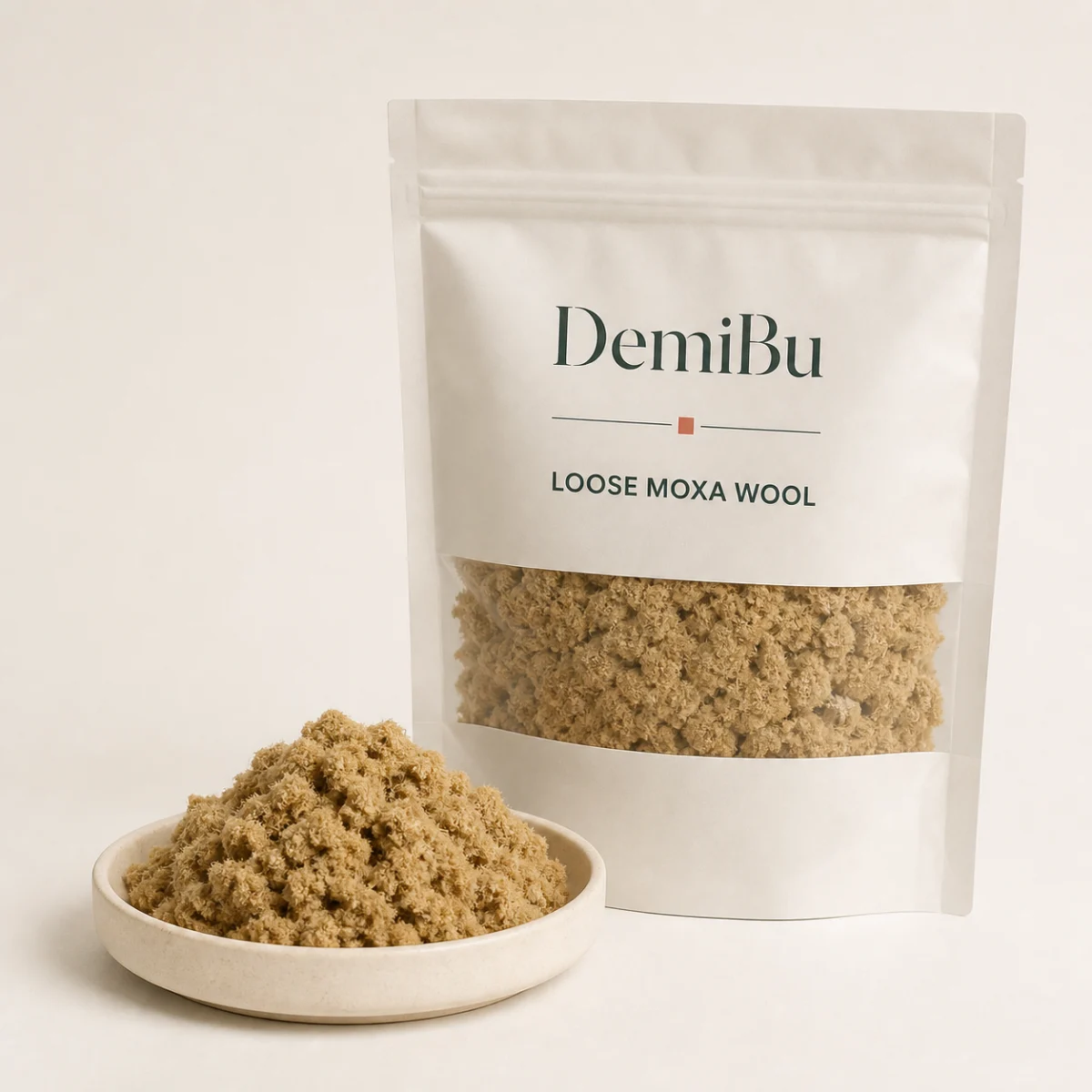
Control the identity and physical consistency of the selected material and format, then observe burn-related attributes under a defined non-medical comparison method.
Incoming or pre-production checks can cover the supplier’s material declaration, grade terminology and its definition, storage or aging statement where claimed, appearance, odor and foreign matter. Grade labels such as ratios can be used differently by suppliers, so the specification should define what the term means for the selected source instead of assuming universal equivalence. A public license record may support that a named site is permitted for a particular Chinese production scope, but it does not replace lot-level material control.
Physical checks for rolls and cones include dimensions, weight when relevant, density or firmness reference, wrapping, seam, shape, count and packaging. Loose wool can be checked for pack weight, texture reference and cleanliness. Variations are compared with the approved sample and numeric tolerances. A package marketed for a particular holder or box should be checked for actual compatibility because nominal dimensions do not always describe fit, airflow or user handling.
Burn-related review should be described as product observation, not therapeutic efficacy. Under a consistent setup, reviewers may record ease of ignition, flame or ember stability, burn progression, visible smoke, odor, ash and extinguishing behavior. Low-smoke and traditional formats should not be treated as interchangeable. The buyer chooses the intended experience and channel, while the test records whether bulk references remain within the approved product expectation.
Finished packaging checks cover count, inner protection, retail box, instructions, warnings, batch or date coding and shipping carton. Moxa products involve ignition and smoke, so use and fire-safety instructions deserve deliberate review. Destination-market labeling and claim decisions remain with the buyer or importer. A traditional-use context should not be turned into modern treatment claims during translation.
| Moxa-consumable checkpoint | Example method | Possible action |
|---|---|---|
| Material and grade | Match supplier declaration and approved reference | Hold unexplained material substitution |
| Dimensions and count | Measured sample against specification | Sort, rework or reject outside tolerance |
| Wrapping and form | Visual and handling comparison | Adjust process before continued production |
| Burn observation | Recorded setup for ignition, smoke, odor, ash and progression | Investigate batch or material difference |
| Pack and instructions | Artwork version, count, code and safety-text check | Hold packing or printing correction |
Sources for this section: [2]
What should be checked for warming patches and steam eye masks?
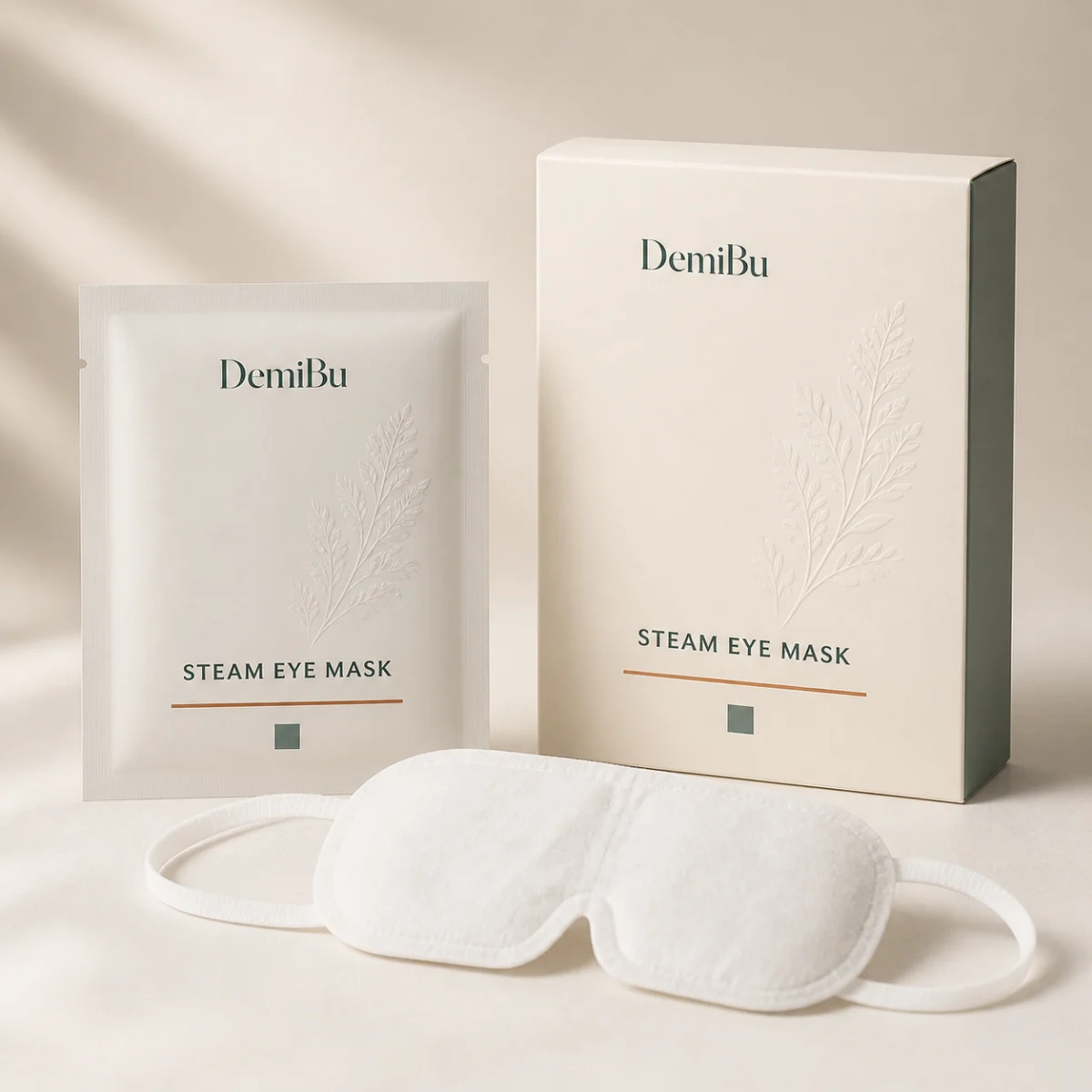
Control formula or fill, construction, skin-contact materials, sealed packaging, use profile and artwork as separate but connected risks.
The product record identifies whether the item is a self-warming patch, a topical formula patch, a steam eye mask or another construction. It lists the formula or heat-material reference, quantity or coating basis where available, substrate, adhesive, liner, size and shape. Incoming controls can cover key materials and printed pouches. In-process controls can cover fill or coating consistency, assembly, seal and count. The buyer decides which attributes are critical based on intended use and market route.
Temperature or wear performance needs an agreed method and competent safety review. A supplier statement such as ‘eight hours’ is a starting claim, not an acceptance method. The specification should define the test setup, expected curve or range, duration and action limit. Adhesion is similarly contextual: a stronger adhesive is not automatically better. The review should consider the selected substrate, intended wear period, removal, residue and the buyer’s skin-contact risk plan.
The sealed pouch is part of the product. Inspect dimensions, material reference, seal width or integrity method, leakage or air loss where relevant, print, code and opening usability. Steam eye masks and heat products can change when barrier performance changes. A visually similar substitute requires approval. Retail boxes and inserts are checked for count, directions, warnings and destination-approved wording.
Claims are a high-risk control point. Domestic catalogs may use pain, treatment, circulation, sleep or other efficacy language. Moxa Sourcing does not convert that language into overseas claims. The buyer or importer must determine classification, substantiation, labeling and registration requirements. The quality plan verifies that the printed pack matches the approved version; it does not decide whether an unreviewed claim is lawful.
What should be checked for mugwort oils and hydrosols?
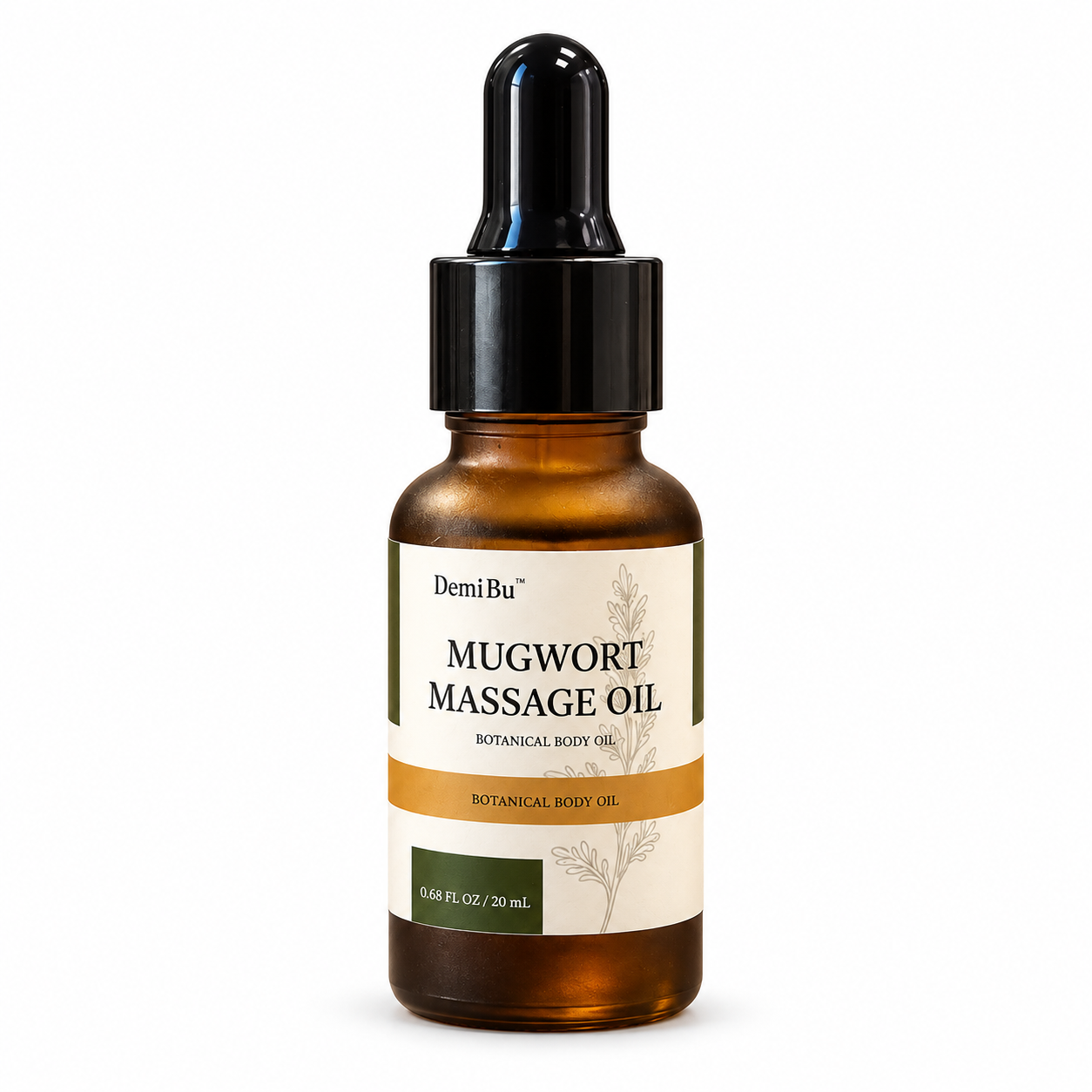
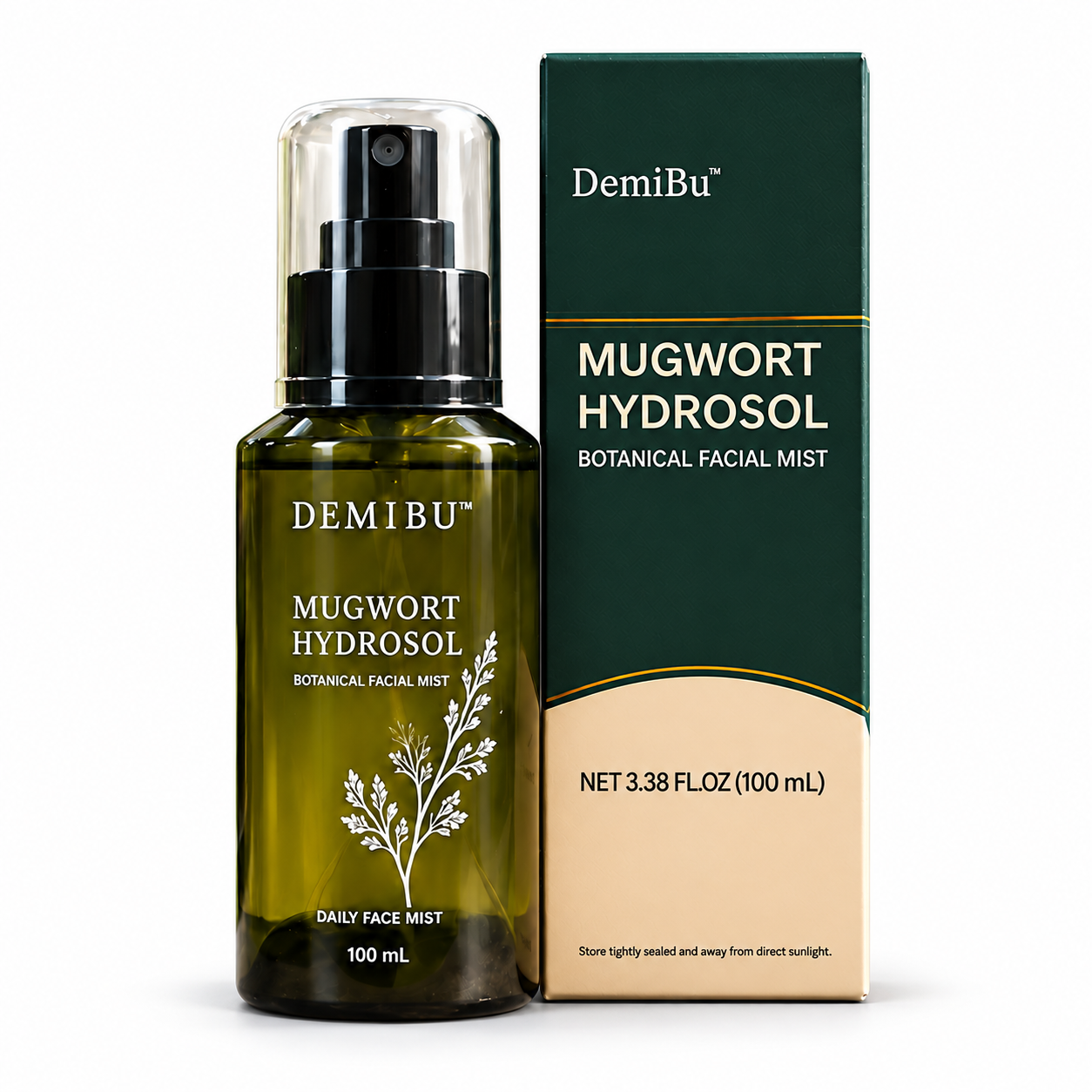
The plan must first establish product identity and composition, then control filling, container compatibility, stability, microbiology and presentation.
Product identity is the first checkpoint. Obtain the botanical name, plant part and process basis when those attributes are claimed. Determine whether an oil is concentrated, diluted or formulated for body or massage use. Determine whether a hydrosol is a distillation water or another formulated spray. Obtain the complete composition or INCI direction and preservation status. If these questions are open, scent, color and bottle appearance cannot support final approval.
Incoming controls may cover oil or water-phase materials, bottles, closures, droppers, pumps, sprayers, labels and cartons. In-process controls may include batch identity, mixing record, appearance, fill volume, closure application, coding and environmental or hygiene steps appropriate to the product. Finished checks include fill tolerance, leakage, closure or spray performance, label adhesion, pack count and visual comparison with the approved reference.
Compatibility and stability are program decisions rather than last-day inspections. The filled product should be assessed with the chosen container and closure over a plan suited to the formula and intended shelf life. Water-based products require an appropriate microbiological specification and preservation strategy. A current permit may be relevant to a specific liquid production scope, but it does not determine whether the buyer’s formulation, intended use or destination category is acceptable.
A public group standard can help identify technical topics. T/NYA 005-2023, for example, is publicly indexed as covering requirements, test methods, inspection, labeling, packaging, transport and storage for a defined Chinese mugwort essential-oil healthcare-product category. It is not an overseas approval and does not replace the selected formula’s evidence. The buyer uses relevant standards as inputs, then builds the SKU and destination file.
| Liquid-product risk | Evidence before bulk | Production or finished check |
|---|---|---|
| Undefined identity | Botanical, composition, dilution and intended-use statement | Batch formula matches approved version |
| Fill variation | Declared nominal fill and tolerance | Recorded fill checks using agreed method |
| Leakage or poor dispensing | Filled compatibility and use samples | Closure, inversion or transport-oriented inspection |
| Instability or microbiology | Product-specific stability and microbiological plan | Batch results and retained samples where agreed |
| Incorrect market presentation | Buyer-approved artwork and claims | Printed version, label adhesion, code and pack review |
What should be checked for foot-bath products, tools and textiles?
These categories need their own material, moisture, compatibility, structural and packaging checks rather than being treated as simple accessories.
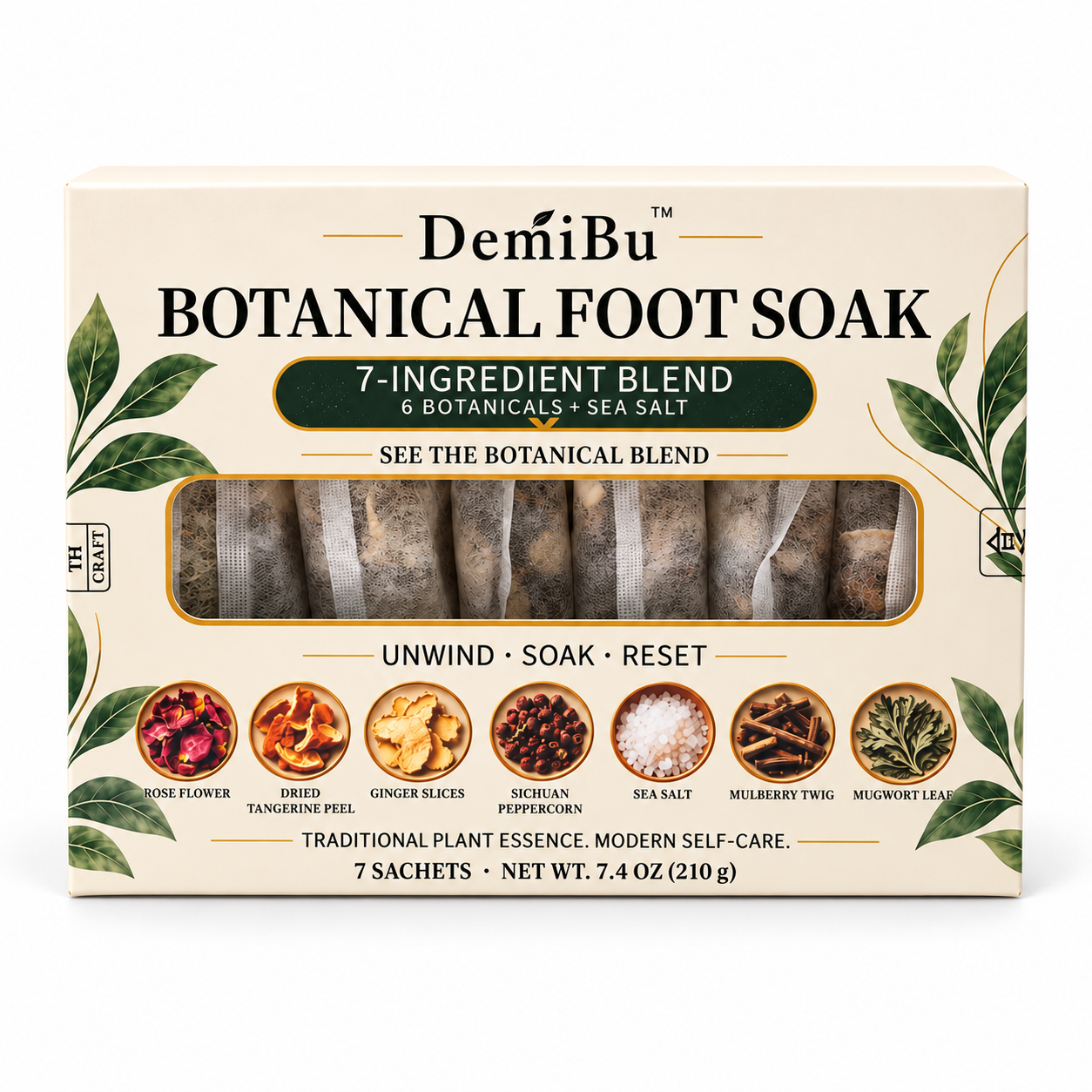
For foot-bath sachets, define each botanical ingredient, cut or powder form, net weight, sachet material, count, moisture-control package and preparation instructions. Incoming identity evidence and contamination controls depend on the formula and market. Finished review can cover sachet integrity, weight, foreign matter, odor reference, seal, unit pack, retail count and carton. Avoid detoxification or disease language unless the buyer has market-specific substantiation and approval.
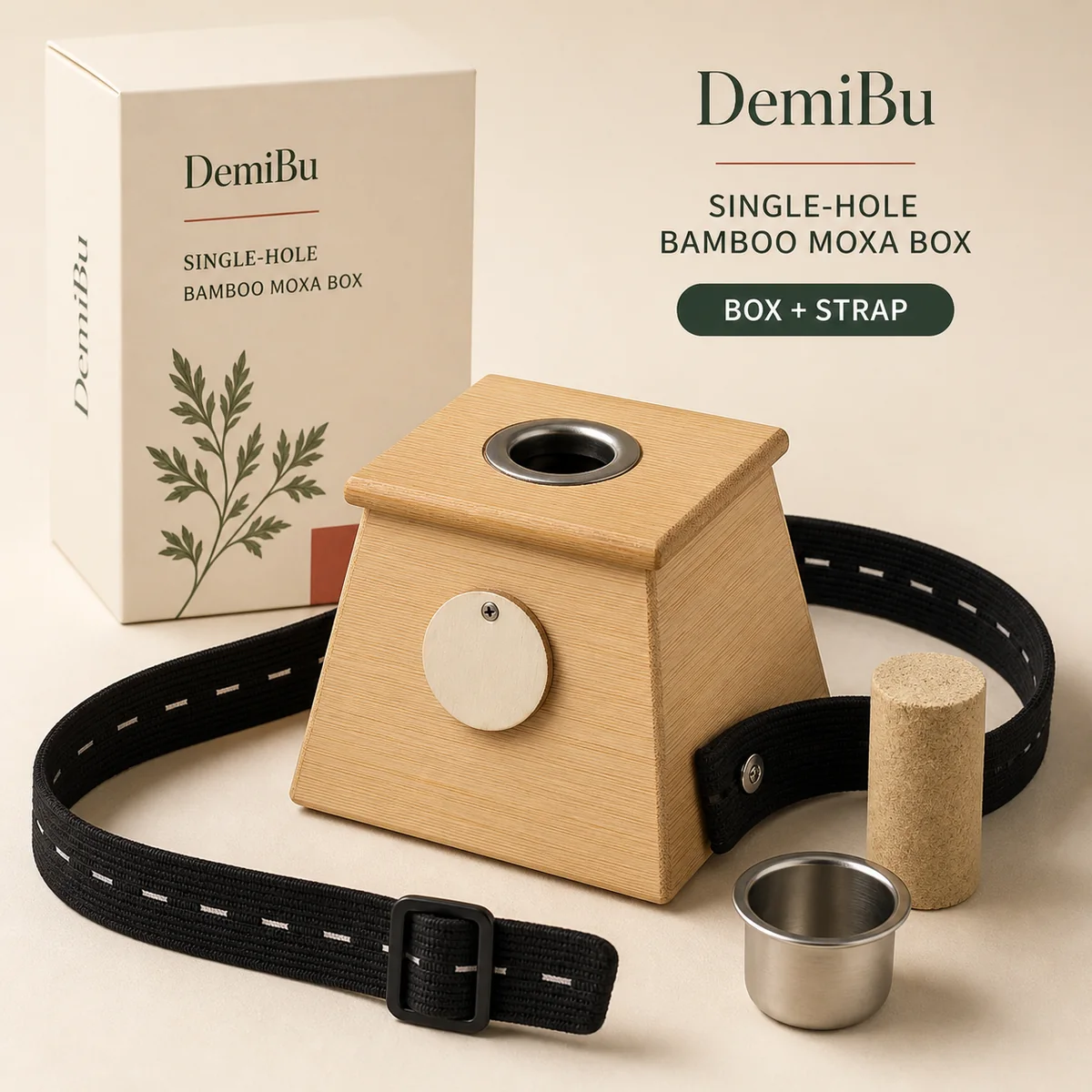
For bamboo or handheld moxibustion tools, define material, dimensions, holes or ventilation, lid or latch, ash screen, strap, finish and compatible consumable. Inspect for sharp edges, loose parts, warping, assembly and functional fit. Heat-related safety and instructions must be reviewed for the actual design. A tool sourced from a local specialist workshop can be acceptable, but the manufacturing and inspection party must be known.
For textiles such as mugwort pillows, define shell fabric, filling identity and weight range, dimensions, seams, closure, odor and moisture expectations, label and packing compression. If botanical filling is claimed, obtain the material declaration and determine destination import questions. A textile inspection focused only on color and stitching may miss the product’s botanical and labeling risks.
Gift sets combine the controls of their components. The kit specification lists every item, variant, count, insert, tray, carton and barcode. The assembly site checks that only approved versions enter the set. If the kit mixes products with different destination categories, the buyer must confirm whether they can share one presentation and shipment. Consolidation does not merge regulatory identities.
How are nonconforming goods handled?
Nonconformance is contained, evaluated against the agreed evidence, assigned a disposition and used to prevent recurrence without silently changing the specification.
The first action is containment. Identify the affected lot, stage, quantity and location. Stop further use or shipment when the issue could spread. Preserve samples, photographs and records. Compare the result with the written specification, approved sample, artwork or method. Avoid beginning with blame. A clear defect statement makes corrective action faster and helps determine whether the problem is isolated or systemic.
The second action is classification. A critical issue may affect identity, safety, legal labeling or the buyer’s ability to use the product. A major issue may impair function, presentation or customer acceptance. A minor issue may be a limited cosmetic variation within a controlled context. The parties should define categories for the product and contract. A defect that is minor for a bulk botanical input may be major for a premium retail pack.
Disposition options include correction before production continues, sorting, rework, component replacement, additional testing, buyer concession for a defined lot, replacement or rejection. A concession is written and lot-specific. It does not rewrite future tolerances. If the issue affects formula, material, intended use, label or claims, the buyer-market owner reviews whether registration, notification or other market work must be reopened.
Corrective action asks why the control failed and what prevents recurrence. The answer may involve material approval, equipment settings, operator instruction, version control, incoming inspection or communication. Evidence of correction is reviewed before the hold is released. The final record connects the issue to the order and supplier performance history. This allows future sourcing decisions to consider execution, not just price and sample quality.
| Nonconformance step | Required record | Decision owner |
|---|---|---|
| Contain | Lot, quantity, location, evidence and immediate hold | Factory with sourcing notification |
| Evaluate | Specification or sample comparison and severity | Agreed quality reviewer; buyer for market impact |
| Dispose | Rework, sort, concession, replace or reject | Contract-defined authority |
| Correct | Root cause, action, owner, date and verification | Factory plus review team |
| Learn | Supplier and product risk record updated | Sourcing and buyer team |
What can quality control promise, and what remains outside it?
It can provide evidence that a sampled lot matches agreed product and packaging criteria; it cannot guarantee every unit, clinical outcome, market approval or customs result.
Inspection is sampling and evidence, not certainty. Its reliability depends on the specification, method, sample plan, access and timing. Hidden defects, future stability changes and unsampled variation may remain. The buyer should combine supplier qualification, process controls, appropriate testing, retained samples, inspection and post-market feedback according to risk. A single pre-shipment visit is not a complete quality system.
The product may also require specialist laboratory or regulatory work. Microbiology, chemical analysis, material safety, transport classification, skin-contact evaluation or other tests depend on the product and destination. Moxa Sourcing can coordinate agreed testing inputs, but laboratories issue their own reports and the buyer or importer determines how the results support the market route.
Public sources reinforce the responsibility split. The FDA explains that FDA-regulated imports are reviewed for compliance and that importers help by knowing their products, suppliers and requirements and providing accurate data. The European Commission import guide separates product compliance, labeling, customs documents and contractual delivery responsibilities. Neither source supports a blanket promise for all mugwort goods; both support early definition and importer involvement.
The quality framework therefore ends with a release summary: what was checked, what passed, what deviation was accepted, what documents remain, who authorized shipment and which destination obligations remain with the buyer or importer. Confidence comes from that bounded record. It should never be replaced by statements that all products are universally compliant, always safe or guaranteed to clear.
Sources and evidence notes
Public sources help frame terminology, specifications and buyer questions. They do not prove that every factory, formula or destination-market requirement is identical.
- [1]Technical Specification for Mugwort Essential Oil Healthcare Products T/NYA 005-2023National Digital Standards Library · industry · accessed 2026-08-27
Shows a publicly indexed product-family technical specification covering requirements, test methods, inspection, labeling and storage topics.
- [2]specialist manufacturer Production License RecordNational Center for Medicine Information Public Database · regulator · accessed 2026-08-27
Provides an example of a site- and scope-specific production record relevant to certain moxa-wool and moxa-roll processing.
- [3]Hubei Health-Related Product Permit Notice, Issue 6 of 2025Hubei Provincial Health Commission · regulator · accessed 2026-08-27
Shows why permits must be linked only to the named company, site, product form and validity stated in the public notice.
- [4]specialist manufacturer Company and OEM ActivityHubei Provincial Department of Economy and Information Technology · regulator · accessed 2026-08-27
Provides a dated public example of varied product families, illustrating why one generic inspection checklist is inadequate.
- [5]Entry Review for FDA-Regulated ImportsU.S. Food and Drug Administration · regulator · accessed 2026-08-27
Explains that U.S. import review depends on accurate product, supplier and compliance information for FDA-regulated goods.
- [6]Guide for Import of GoodsEuropean Commission Access2Markets · regulator · accessed 2026-08-27
Supports the distinction between product compliance, import requirements, packaging and labeling duties, and commercial delivery responsibilities.
How this guide was prepared
Moxa Sourcing Editorial Team
The team translates product references, product samples and China-side sourcing workflows into practical English guidance for overseas buyers.
Moxa Sourcing Supply Review Team
The review team checks supplier attribution, commercial boundaries, product specifications and statements that require sample or market-specific verification.
Product availability, MOQ, price and production specifications are reconfirmed against the selected product reference. The buyer or importer leads the destination-market decision and retains applicable statutory importer duties; Moxa Sourcing supports the process by coordinating product and supplier evidence, specifications, documents, testing and label inputs, version control and agreed professional partners.