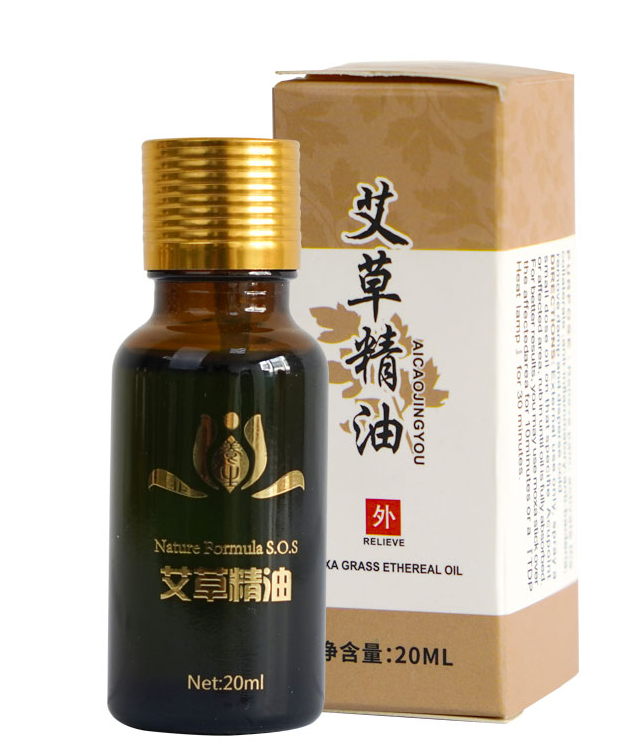
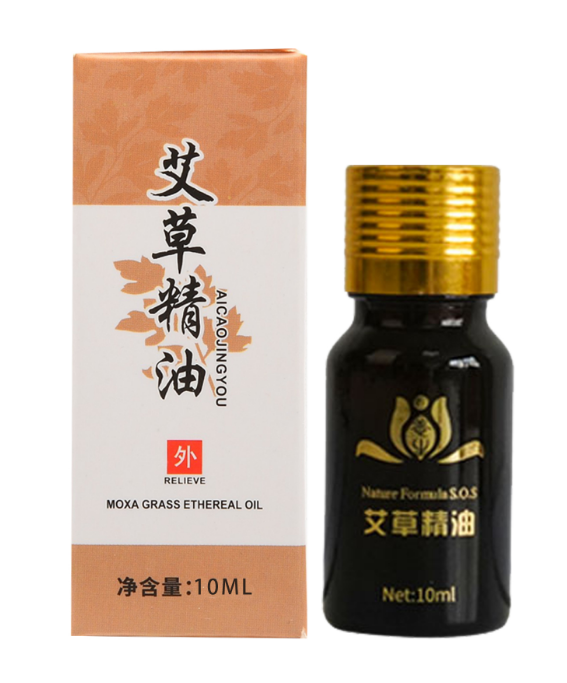
Distinguish mugwort body oil from mugwort essential oil using concentration, carriers, botanical identity, intended use, INCI and truthful naming.
Use a formula-first decision tree, not the word oil
The classification question is answered by material identity and use: neat aromatic ingredient, diluted blend, infused oil, extract-based product or another defined preparation.
Step one asks whether the bottle contains one characterized volatile botanical material or a finished formula with multiple inputs. If carriers, antioxidants, fragrance or other functional ingredients are present, the product is a blend even when the mugwort-derived material is the marketing focus. Bottle size, dark glass and a dropper are presentation clues, not compositional evidence.
Step two identifies the Artemisia material. Record species, plant part and extraction method. The cited research compares chemical composition among essential oils from different Artemisia species and illustrates why the common name mugwort is not sufficiently precise. Research findings describe studied materials; they do not approve a supplier’s batch or establish the identity of an unlabeled commercial mixture.
Step three calculates concentration. Ask for the percentage of each mugwort-derived input and every carrier or diluent. A product can smell intense and still be diluted, or smell subtle because of material character rather than low concentration. Sensory impression cannot replace a percentage formula and raw-material specification.
Step four states intended use and directions. An ingredient supplied for further formulation has different communication and handling needs from a ready-to-use body oil. A massage blend, personal fragrance oil and leave-on cosmetic may also require distinct safety and label review. Choose a bounded identity before writing the front panel or commissioning product claims.
Resolve six identity questions before accepting a product name
The commercial name is the final output of the formula review, not a substitute for it.
How much is mugwort-derived material? Determine whether the mugwort-derived material is neat, diluted or present as one part of a blend. Verify with percentage formula and raw-material identity. The decision boundary remains: bottle size does not reveal concentration.
Which Artemisia material is used? Record Artemisia species, plant part and extraction method. Verify with supplier specification and formula record. The decision boundary remains: different mugwort species and processes can yield different compositions.
What completes the liquid phase? Identify every fixed oil and functional ingredient in the finished body oil. Verify with complete ingredient list and batch formula. The decision boundary remains: carrier choice affects sensory and stability decisions.
Who uses it and how? Choose ingredient supply, body application, massage or another bounded purpose. Verify with directions, target user and exposure assumptions. The decision boundary remains: use and claims influence classification.
What may the front label truthfully call it? Make the front-label identity truthful to the formula. Verify with buyer-reviewed label and claims matrix. The decision boundary remains: do not use pure when the product is diluted.
What evidence follows the finished use? Build the assessment around the finished formula and expected use. Verify with ingredient data, finished-product testing and market-specific review. The decision boundary remains: published research on essential oil is not a product approval.
| Decision | What to choose | Evidence to request | Approval boundary |
|---|---|---|---|
| Concentration | Determine whether the mugwort-derived material is neat, diluted or present as one part of a blend. | Percentage formula and raw-material identity. | Bottle size does not reveal concentration. |
| Botanical identity | Record Artemisia species, plant part and extraction method. | Supplier specification and formula record. | Different mugwort species and processes can yield different compositions. |
| Carrier oils | Identify every fixed oil and functional ingredient in the finished body oil. | Complete ingredient list and batch formula. | Carrier choice affects sensory and stability decisions. |
| Intended use | Choose ingredient supply, body application, massage or another bounded purpose. | Directions, target user and exposure assumptions. | Use and claims influence classification. |
| Product name | Make the front-label identity truthful to the formula. | Buyer-reviewed label and claims matrix. | Do not use pure when the product is diluted. |
| Safety and testing | Build the assessment around the finished formula and expected use. | Ingredient data, finished-product testing and market-specific review. | Published research on essential oil is not a product approval. |
Read research as material context, not finished-product proof
Published composition data can sharpen supplier questions, but it cannot identify, authorize or substantiate an untested commercial blend.
A research paper may report compounds in oils produced from named species under stated methods. That is useful because it shows that species and processing matter. It does not demonstrate that the factory uses the same plant, region, harvest, extraction conditions or composition. Ask for the supplier’s raw-material specification and batch information instead of copying a paper’s profile into marketing.
Likewise, a certificate attached to one raw material does not describe the complete body oil. The finished formula may contain carriers, antioxidants, fragrance and other inputs that determine declaration, exposure and pack behavior. Build the product dossier from every formula component and connect each record to the current revision.
Ingredient naming resources help convert formula identities into label names, but the direction is always formula to label. Working backward from a desired phrase such as pure mugwort essential oil encourages omission. If the product is diluted, say what it is. If identity is unresolved, pause the name and obtain the missing supplier declaration.
Safety and compatibility decisions also follow intended use. A neat ingredient intended for further manufacturing is not evaluated or instructed like a consumer-ready body oil. The buyer defines exposure assumptions, target user, directions and destination pathway with appropriate expertise. Published botanical interest does not remove that responsibility.
For sourcing comparison, normalize offers into an identity sheet: material type, botanical name, plant part, process, percentage, carrier list, intended use, pack and evidence status. Two bottles offered at the same volume may be fundamentally different goods. Price per 20 ml is meaningless until the material class is aligned.
- Study material is not supplier batch identity
- Raw-material data is not the finished formula
- Desired marketing name cannot create composition
- Intended use controls the assessment question
Match the evidence file to the buyer type
An ingredient formulator, a finished body-oil brand and a gift retailer need different operating information even when they use similar botanical language.
A raw-ingredient buyer needs precise material identity, concentration, batch data, storage, handling and suitability for further formulation. Consumer-ready directions or decorative packaging should not blur the fact that further development remains necessary. The quotation should be based on the specified material and batch quantity, not a retail bottle story.
A finished-product brand needs the complete formula, INCI, intended-use statement, safety and stability basis, compatible pack and label review. It should verify that the formula is ready for the proposed directions and that the front name is not misleading. Calling a diluted blend essential oil can confuse both consumers and downstream reviewers.
A gift retailer needs plain identity and safe-use information in limited space. The botanical narrative may support merchandising, but it cannot substitute for ingredients, directions or cautions. If the set contains several oils, each must remain identifiable and traceable after outer packaging is opened.
The same supplier may offer all three routes. Do not let one quotation combine them. Specify whether the request is for bulk ingredient, filled consumer product or curated set, and require the documents and samples appropriate to that route.
| Channel | What to prioritize | Primary operational risk |
|---|---|---|
| Raw ingredient buyer | Needs concentrated-material specification, handling and batch data | Accidental consumer-ready positioning |
| Finished body-oil brand | Needs full formula, safe directions, packaging and cosmetic review | Calling a diluted blend pure essential oil |
| Gift retailer | Needs plain identity and safe-use information in limited space | Using an exotic botanical story instead of product facts |
Make naming and claims survive formula scrutiny
Words such as pure, therapeutic and essential oil require more than aroma or botanical association, and outcome claims require their own market pathway.
Place the proposed front name beside the percentage formula. If the formula contains carriers, pure essential oil is not a truthful description of the finished bottle. If it contains a mugwort fragrance composition rather than a defined botanical oil, the name must not imply otherwise. The complete ingredient declaration and product identity should tell the same story.
Do not use body oil as a vehicle for treatment, pain, circulation, inflammation or skin-improvement promises. Supplier pages, traditional-use narratives and research on isolated materials are not evidence for the finished blend. Review explicit copy, images, before-and-after implications, testimonials and distributor scripts for the destination.
The factory provides accurate formula and manufacturing information and makes the approved SKU. Moxa Sourcing coordinates traceability, clarification, samples, specification and quality checkpoints. The buyer or importer owns classification, safety assessment, responsible-party duties, label, claims, registration, customs and sale authorization. A specialist provider owns only the commissioned work.
When formula, concentration, raw-material source, intended use, directions, pack or claims change, repeat the relevant review. Keep current official guidance in the decision file. This responsibility split lets sourcing move quickly while keeping market judgments with the party that sells and imports the finished product.
| Party | Owns | Does not automatically own |
|---|---|---|
| Factory | Manufacturing, factory controls, agreed batch and product records | Destination classification, buyer advertising or customs clearance |
| Moxa Sourcing | Supplier coordination, samples, specification, quality checkpoints and handoff | Universal compliance guarantee or importer-of-record role |
| Buyer / importer | Market pathway, assessment, registration, label, claims, entry and sale authorization | Factory production execution |
| Testing, legal or logistics provider | The specifically contracted report, advice, filing or transport service | The entire product or commercial decision |
Sources for this section: [3]
Ask identity questions before requesting price or samples
A short diagnostic RFQ prevents comparison of a concentrated input with a ready-to-use blend.
Request the supplier’s exact product designation, formula revision and intended-use statement. Ask whether the mugwort-derived material is neat, diluted, infused, extracted or part of a fragrance composition. Require botanical species, plant part and production method where applicable. If a seller cannot answer, record the offer as unidentified rather than filling gaps from its photographs.
Ask for percentage composition and the identity of every carrier, antioxidant, fragrance and functional ingredient. Then request the corresponding ingredient names and supporting raw-material information needed by the buyer. A redacted commercial formula may be handled under appropriate confidentiality, but the buyer still needs enough accurate data for assessment and labeling.
State whether the inquiry is for bulk input, a 20 ml filled body oil or another format. Include destination, channel, quantity, directions, packaging and claims boundary. Request separate prices and minimums for formula batch, bottle, closure, decoration and carton. This exposes whether the two compared offers solve the same business need.
For samples, give each formula a code and record concentration, odor, appearance, viscosity and pack. Do not rank products only by how strong they smell. Confirm identity first, then evaluate sensory and commercial suitability. Any modified sample receives a new revision and does not inherit the first sample’s documents automatically.
Release artwork only after product name, formula, INCI, directions, warnings and destination review align. The result should be boringly clear: a buyer can say what the liquid is, how it differs from an essential-oil ingredient, which evidence supports that distinction and which decisions remain market-specific.
A useful buyer mistake file is the offer described as pure mugwort oil while the quotation lists a ready-to-use massage product and the sample arrives with no percentage formula. The correct response is not to debate the scent. Pause comparison, request the material class, botanical identity, carrier breakdown and intended-use declaration, then decide whether the offer belongs in the ingredient or finished-product column. This prevents a low price from winning a comparison between unlike goods.
Another diagnostic is the dilution thought experiment. If removing the carriers would leave a different material that requires different handling and directions, the offered bottle is a formulated blend. That observation does not determine legal classification by itself, but it exposes why the front name, INCI, safety work and price basis must follow the complete formula rather than the hero botanical.
- Neat, diluted, infused, extracted or fragrance composition
- Botanical species, plant part and method
- Percentage formula and complete carriers
- Ingredient supply or finished-product intended use
- Truthful front name and destination review
Sources and evidence notes
Public sources help frame terminology, specifications and buyer questions. They do not prove that every factory, formula or destination-market requirement is identical.
- [1]
Chemical Composition of Essential Oils from Artemisia argyi, Artemisia princeps and Artemisia montanaPubMed, U.S. National Library of Medicine · research · accessed 2026-08-27
Supports that mugwort essential oil identity and chemical composition depend on botanical source; pharmacological findings are not used as finished body-oil claims.
- [2]
Cosmetic Ingredient NamesU.S. Food and Drug Administration · regulator · accessed 2026-08-27
Supports the need for a complete retail ingredient declaration using accepted common or usual names in the U.S.; destination rules still require buyer review.
- [3]
Cosmetics Labeling ClaimsU.S. Food and Drug Administration · regulator · accessed 2026-08-27
Supports the rule that cosmetic claims must be truthful and that disease or structure/function claims may change U.S. product classification.
How this guide was prepared
Moxa Sourcing Editorial Team
The team translates supplier references, product samples and China-side sourcing workflows into practical English guidance for overseas buyers.
Moxa Sourcing Supply Review Team
The review team checks supplier attribution, commercial boundaries, product specifications and statements that require sample or market-specific verification.
Product availability, MOQ, price and production specifications are reconfirmed against the selected supplier reference. The buyer / importer remains responsible for destination classification, registration, final claims and customs clearance.