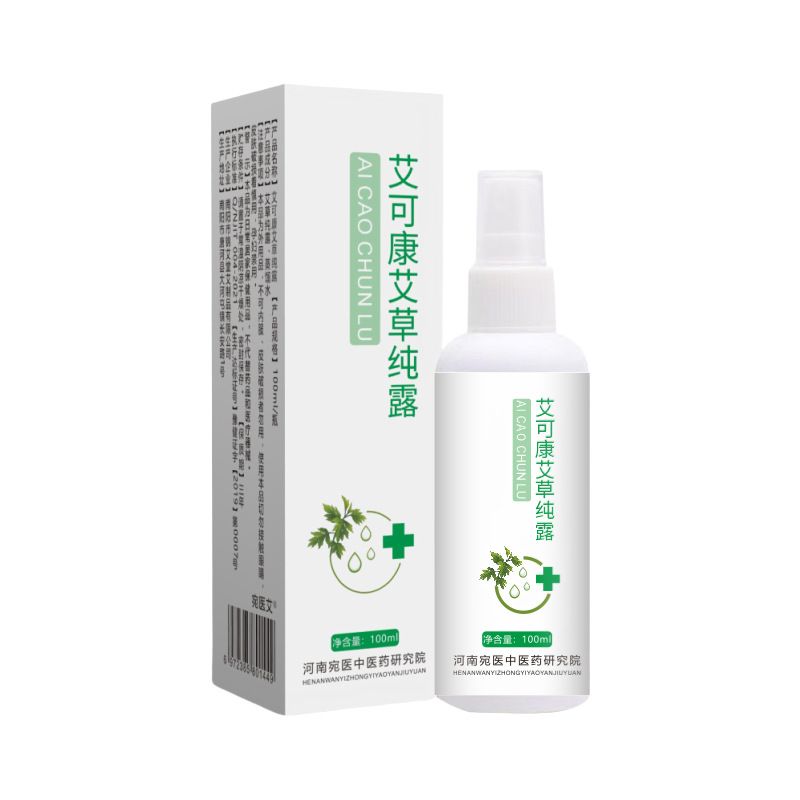
Test hydrosol packaging as a filled system: quantify spray, isolate leak paths, assess compatibility and stability, and verify decoration after transit.
Create a package configuration code before running a test
Packaging results are valid only for the named combination of formula, bottle, closure, pump, dip tube, decoration and pack-out.
A 100 ml hydrosol spray system can fail at several interfaces: bottle neck to closure, closure to gasket, pump to dip tube, formula to contact materials, label to bottle surface, and unit pack to master carton. A test report that names only spray bottle cannot show which interface was evaluated. Assign a configuration code and list every component supplier code and material description available.
The test sample must contain the intended finished formula at target fill. Water-filled fit samples can screen dimensions and obvious leaks, while empty samples can confirm artwork area, but neither approves chemical compatibility, spray pattern, residue, label adhesion or shelf behavior. Mark prototypes by purpose so a visual sample is never mistaken for production-equivalent evidence.
Record manufacturing variables that influence the pack: neck finish, applied closure torque, dip-tube cut and length, crimp or thread process, fill temperature if relevant, label application condition and code method. Test units should come from more than one position in a pilot run when the aim is to evaluate line repeatability.
The public YF Packaging page illustrates the type of commercial fields bottle suppliers publish, including capacity, material and sprayer options. It is a discovery reference, not evidence that a listed package is leak-proof or suitable for this formula. Supplier claims must be checked on filled production-equivalent units.
Sources for this section: [1]
Measure spray behavior as a repeatable delivery system
A fine mist is a measurable pattern involving priming, dose, distribution, actuation and residual function—not a visual adjective.
Begin with priming. Count full strokes until the first consistent discharge, record partial spits and note whether storage orientation changes the result. Then measure output by weighing a defined number of actuations across several pumps. Average output alone can conceal units that deliver almost nothing or produce a stream, so retain individual results and range.
Assess pattern against a fixed background at a controlled distance. Record cone or fan shape, central concentration, visible droplets and overspray. Photography can document pattern if lighting, distance and actuation are standardized. Do not translate a pleasing mist into a skin-performance claim; the test concerns package delivery.
| Spray attribute | Method outline | Record | Example approval question |
|—|—|—|—|
| Priming | actuate new filled units consistently | strokes to stable spray, spit or failure | is the user experience acceptable? |
| Output | weigh repeated actuations | mean, range and unit variation | does dose remain within the specification? |
| Pattern | spray at fixed distance onto target | shape, droplet distribution and drift | is the format mist rather than stream? |
| Recovery | pause and resume after storage | first-stroke behavior | does the pump recover after non-use? |
| End-of-life | actuate through low fill | residual liquid and pattern change | is usable yield acceptable? |
Repeat selected measurements after conditioning, leakage work and transit simulation. A pump can perform well on day one but change as seals interact with formula or as the dip tube moves. Include actuation effort and actuator return if those observations matter to the channel.
Define failure categories before the test: no discharge, continuous stream, delayed return, visible leakage at actuator, stuck pump, detached dip tube or unacceptable variation. A written limit is more useful than a technician’s note that spray looks good.
Sampling should cover unit variation, not merely repeat many strokes on one favorable pump. Draw units across the pilot sequence and, where components arrive in several cartons or cavities, include those sources. Report the denominator: two failures among thirty units says more than pumps passed. Predetermine how a failed unit affects the lot decision and whether destructive teardown is required.
User orientation deserves a short usability check. Reviewers should remove the cap, identify the actuator, prime the pump and spray while following proposed directions. Observe accidental side pressure, cap replacement and whether a short dip tube creates early air intake at common angles. The exercise evaluates comprehension and delivery hardware; it does not measure a cosmetic benefit.
| Test family | Named configuration inputs | Measured outputs | Failure triggers next action |
|---|---|---|---|
| Spray delivery | finished formula, pump, actuator, dip tube and fill | priming strokes, mass per actuation, pattern and recovery | no discharge, stream, drift or excessive unit variation |
| Seal integrity | bottle neck, closure, gasket, torque and headspace | mass change, residue, leak path and orientation result | wet collar, gasket displacement or unexplained loss |
| Transport pack | filled unit, cap, carton, divider and master carton | movement, scuffing, wetness, code and post-test spray | actuator loading, carton damage or functional loss |
| Compatibility | formula and every contact material | swelling, discoloration, brittleness, odor and pump change | material change outside agreed criteria |
| Stability | batch, conditions, orientations, intervals and limits | formula, microbiology, package and spray observations | out-of-limit attribute or unsupported shelf-life inference |
| Decoration and traceability | label, ink, adhesive, barcode and lot code | adhesion, abrasion resistance and readability | edge lift, ink transfer or unreadable code |
Sources for this section: [1]
Separate seal integrity from transport leakage
An upright shelf sample is not enough; orientation, closure application, temperature and mechanical handling can expose different leak paths.
Start with closure verification. Check neck and thread condition, gasket seating, applied torque where relevant, cap engagement and pump collar. Weigh filled units before and after a defined orientation exposure, inspect tissue or secondary containment for residue, and record where leakage appears. Distinguish evaporation, sprayer residue and actual seal failure.
Use upright, side and inverted orientations when appropriate to the design and distribution route. Define duration, temperature and sample number. An inverted result can be useful as a stress screen, but it should not be presented as proof of every logistics condition. Recheck torque, appearance and spray after conditioning.
Transport evaluation should use final unit cartons, dividers, shrink or seals and master cartons. Subject packs to the selected handling, vibration, drop and compression plan, then inspect bottle movement, actuator loading, cap loss, scuffing, wet cartons, barcode damage and spray operation. A strong bottle with an over-tall actuator can still fail when the carton bears directly on the pump.
Temperature can change liquid viscosity, vapor pressure, plastic dimensions and label adhesive behavior. Select warm and cool conditions based on realistic storage and route risks, document transitions and avoid claiming universal performance from one short exposure.
If a leak occurs, preserve the failed unit and trace its components and assembly conditions. Replacing it with a passing sample without investigation loses the most valuable information in the pilot. Corrective action might involve torque, gasket, pump, bottle neck, headspace, carton geometry or a supplier component change.
Headspace and fill control can influence leakage interpretation. Overfill may wet the pump during assembly or reduce expansion space, while underfill creates a separate net-content concern and changes usable yield. Weigh bottles, closures and finished units with a defined method; reconcile fill results with visible leakage so a mass change is not attributed to the wrong cause.
Secondary seals or shrink bands need a stated purpose. A decorative band may show opening but does not repair a leaking primary closure. An induction or liner system, if proposed, must fit the bottle and user opening sequence and be checked for removal residue. Test the full opening process after conditioning because consumers experience the entire system, not a component datasheet.
Connect compatibility, stability and microbiology without confusing them
These studies answer related but different questions and should share samples and timelines only when their objectives remain explicit.
Compatibility asks whether formula and contact materials remain acceptable together. Stability asks whether the finished product remains within defined physical, chemical, sensory and microbiological criteria over time and conditions. Microbiological work evaluates contamination control and formula protection. A package leakage test answers none of these completely, even when all units remain dry.
For compatibility, inspect bottle, gasket, pump components and dip tube for swelling, brittleness, discoloration, cracking, softening or odor change. Record formula appearance, selected analytical controls and spray performance. If the exact polymer or elastomer is unknown, ask the component supplier; visual similarity does not prove material equivalence.
FDA’s microbiological safety information highlights packaging and consumer use among contamination considerations for cosmetics. A pump can limit direct access compared with an open jar, but it does not establish microbiological safety. Use the actual package in the preservation and use-risk plan where the qualified reviewer considers it relevant.
Stability protocols should identify batch, formula version, pack code, orientations, storage conditions, intervals, test attributes and limits. Accelerated observations can guide development, but shelf-life labeling should reflect the full evidence basis and market review. Do not convert a few weeks without visible change into a multi-year guarantee.
When a component changes, perform a documented impact assessment. A new actuator color may require only appearance review if material and process are truly unchanged; a new gasket, bottle resin or pump supplier can affect multiple studies. The assessment should state why selected work is repeated or not repeated.
Where the bottle is refilled or used as a professional back-bar format, the intended routine changes the exposure model. A personal 100 ml spray and a repeatedly refilled shared sprayer should not borrow the same conclusions without review. State whether refilling is prohibited, unsupported or part of the brief, then align directions, pack design and microbiological assessment.
Test decoration and traceability after exposure, not before it
A package remains commercially usable only if its label, code and barcode survive formula contact, abrasion, handling and storage.
Apply production-equivalent labels to bottles prepared as they will be on the line. Check surface cleanliness, application pressure, overlap, edge lift, bubbles and alignment. Expose the label to incidental formula spray and wiping conditions relevant to consumer use. Observe ink transfer, laminate change and adhesive movement.
Printed or coated bottles need equivalent scrutiny. Decoration can appear stable on an empty display sample yet rub during filling, cartoning or transit. Test representative colors because dark fields, metallic effects and fine reversed text can fail differently. Record the decoration process and approved color standard.
Lot coding must remain readable and linked to batch records. Choose a code zone that is not covered by the label or rubbed by the carton. Check contrast after warm storage and abrasion. Barcode and QR performance should be verified on actual curvature and finish; a digital artwork scan is insufficient.
FDA’s GMP inspection guidance supports written records for formula, filling, packaging materials, labeling and batch control. The operational lesson is to connect the test configuration to purchasing and production records. A passing sample has little value if the factory can substitute an unrecorded label adhesive or pump.
Complaint simulation can reveal practical gaps. Give a coded unit to a reviewer and ask them to identify the lot, pack version and customer-service contact from the approved information. If a leak is reported, the business should be able to trace formula batch, bottle, pump and packing run without opening the entire warehouse.
Sources for this section: [2]
Turn observations into a release plan and RFQ
The buyer should define sample count, conditions, acceptance criteria, report format and change triggers before ordering bulk packaging.
The packaging RFQ should name the finished formula status; fill and headspace; bottle material, capacity and neck; pump output target; spray expectation; dip tube; gasket; cap; decoration; code; unit pack; master carton; route; and desired test program. Ask for component drawings and codes, available material declarations, minimums, lead times and substitution policy.
Use a test matrix with rows for configuration and columns for sample stage, orientation, condition, interval, measurement, limit and disposition. State whether the work is factory screening, buyer acceptance, third-party testing or ongoing production control. One result may support several decisions, but its purpose should remain traceable.
Release gates can be sequential: dimensional fit; filled spray and leak screen; decorated pilot; compatibility and stability checkpoints; transit pack review; final document and inspection approval. If long-term work continues after launch, define which interim evidence supports the decision and what result would trigger action.
The single responsibility boundary is narrow: the packaging and filling factories make and assemble the approved components and provide agreed records; Moxa Sourcing coordinates samples, specifications and selected inspection work; the buyer or importer approves formula safety, classification, claims, label, laboratory plan, shelf life, customs and destination release. Every conclusion depends on the tested SKU and configuration.
Do not ask whether a bottle is good. Ask whether configuration H-100-P3, filled with formula F2, labeled with stock L1, packed in carton C2, met named criteria under recorded conditions. That sentence turns packaging from appearance into controlled evidence.
Production inspection should sample spray, leakage, fill, cap fit, decoration, code and carton condition from defined points in the run. The acceptance plan should distinguish critical seal failures from cosmetic variation and preserve failed units for investigation. A release signature confirms the inspected lot against this configuration; it does not guarantee every future lot or every destination condition.
Retain the approved units and raw measurement files so later complaints and component changes can be compared against the tested baseline, not against memory or supplier photographs.
Sources and evidence notes
Public sources help frame terminology, specifications and buyer questions. They do not prove that every factory, formula or destination-market requirement is identical.
- [1]
Multi-Capacity Hydrosol Spray BottleYF Packaging · manufacturer · accessed 2026-08-27
Public packaging example showing 100 ml spray-bottle material, closure and output fields; leakage and protection statements still require finished-product testing.
- [2]
Good Manufacturing Practice Guidelines and Inspection Checklist for CosmeticsU.S. Food and Drug Administration · regulator · accessed 2026-08-27
Supports written formula, filling, packaging-material, labeling and batch-control records for cosmetic manufacture.
- [3]
Microbiological Safety and CosmeticsU.S. Food and Drug Administration · regulator · accessed 2026-08-27
Supports the need to control water, raw materials, preservation, packaging, storage and consumer-use contamination for cosmetic products.
How this guide was prepared
Moxa Sourcing Editorial Team
The team translates supplier references, product samples and China-side sourcing workflows into practical English guidance for overseas buyers.
Moxa Sourcing Supply Review Team
The review team checks supplier attribution, commercial boundaries, product specifications and statements that require sample or market-specific verification.
Product availability, MOQ, price and production specifications are reconfirmed against the selected supplier reference. The buyer / importer remains responsible for destination classification, registration, final claims and customs clearance.