A practical responsibility matrix for mugwort manufacturing, sourcing, freight, export documents, importer duties, compliance and clearance.
Why must responsibilities be assigned before a mugwort product is selected?
Because intended use, claims and destination decisions can change the product, supplier evidence, packaging and import path before production begins.
A buyer may ask a Chinese factory to make an item that looks identical to a domestic reference. The factory can quote materials, processing and packaging. It may also share documents it already holds. That does not answer how the buyer will classify, label and sell the product in another country. A moxa consumable, warming patch, body oil, hydrosol, foot-bath sachet or tool can enter different regulatory paths depending on composition, construction, intended use and marketing claims.
The destination-market owner must therefore be identified at the brief stage. It may be the buyer, importer, responsible person, distributor or qualified adviser depending on the market and product. This party decides which product category is intended, what evidence and registration are required, which claims can appear, and whether the importer and sales channel are ready. The factory supplies technical and production information but should not be asked to make a foreign legal decision it does not control.
The same principle applies to customs and logistics. A freight forwarder can propose a route and handle transport. A customs broker or representative can prepare filings from information supplied by the responsible parties. Those service providers do not automatically become the product developer or claims reviewer. Incorrect or incomplete product information cannot be fixed merely by hiring a broker after the goods arrive.
A written responsibility matrix brings these roles into one view. It is not a disclaimer placed after the sale. It is a project tool that identifies the decision, evidence, owner, deadline and release gate. If the buyer has not appointed an importer or closed classification, the project can continue with neutral samples, but final formula, artwork or shipment may need to pause.
| Decision | Factory | Moxa Sourcing | Buyer or importer | Freight or customs provider |
|---|---|---|---|---|
| Product specification | Confirm manufacturability and production controls | Coordinate brief, sample and version | Approve commercial product and intended use | Not normally responsible |
| Destination classification | Provide formula, material and process inputs | Track the open decision | Own decision with qualified advice | Use approved classification for filing |
| Artwork and claims | Check technical print feasibility | Coordinate versions and evidence | Approve final market wording | Use final documents as filed |
| Production and QC | Manufacture and record agreed checks | Coordinate specified follow-up or inspection | Approve deviations affecting market or customer | Not normally responsible |
| Transport and clearance | Prepare agreed origin-side goods and documents | Coordinate handoff within scope | Appoint importer and approve data | Perform contracted route and filing tasks |
What is the factory responsible for?
The factory is responsible for making the agreed product at the identified site and providing the production evidence and documents written into the order.
The factory confirms the legal manufacturing party, site, product configuration, process and practical capacity for the proposed order. It reviews the written specification, approved sample, bill of materials, packaging components and artwork from a manufacturing perspective. If another facility performs a critical process, that arrangement is disclosed. The factory should not silently move production, substitute critical materials or change formula, components or artwork after approval.
During production, the factory controls incoming materials, process settings, batch identification, in-process checks, finished packing and retained records according to the agreed scope. It informs the buyer or sourcing coordinator of changes and nonconformance. It provides agreed documents connected to the actual product and lot. A general certificate bundle is not a substitute for the specific formula, material, batch or site record requested in the order.
The factory may also perform export-side activities or work with a trading or customs service, depending on the contract and route. Those tasks should be stated. The name on the commercial invoice, the exporter or declarant, the manufacturer and the brand owner may be different parties. The document set should be internally consistent and the buyer should understand the structure before shipment.
The factory is not automatically responsible for deciding whether the buyer’s claims are lawful in the United States, European Union or another destination. It should provide truthful inputs and avoid unsupported claims, but the buyer or importer must determine the market path. A factory’s domestic license or foreign-facing catalog does not authorize the final overseas label.
What is the sourcing partner responsible for?
The sourcing partner is responsible for the China-side coordination tasks that are explicitly included in its commercial scope, not for every party’s legal duty.
Moxa Sourcing’s intended role is category selection and execution coordination. The work may include translating the buyer’s objective into a brief, identifying supply paths, labeling source status, collecting supplier materials, comparing samples, preparing a written specification, coordinating packaging, following production, arranging agreed inspection and organizing shipment handoff. The exact tasks, fee or trading role should be written for each project.
The sourcing partner should make evidence gaps visible. If a certificate is expired, a company-history claim conflicts with public records, a formula is incomplete, a production site is unclear or a supplier has relevant adverse media, the file records the issue and required closure. The partner does not improve trust by hiding a problem until the buyer asks the right question.
The sourcing partner may buy and resell goods in some transactions or act as a service provider in others. That commercial role affects invoicing, contractual responsibility and documentation. It should be disclosed before quotation acceptance. Buyers should not assume that the phrase ‘sourcing partner’ means agent, seller, exporter of record, importer, customs broker or regulatory adviser in every order.
The partner also has public-communication duties. Supplier names, logos, facility images and certificates should be used with accurate attribution and permission. Internal visits and supplier materials can guide selection, but they should not be presented as independent public verification without appropriate evidence. This protects both the buyer and the partner from an inflated network claim.
What is the buyer or importer responsible for?
The buyer or importer controls the destination-market business model and the legal decisions necessary to import and sell the exact product as intended.
The buyer defines the target customer, sales channel, positioning, brand, price, volume and intended use. Those choices influence the product itself. A general wellness presentation, cosmetic presentation, professional moxibustion consumable or device claim may require different formulation, evidence and labeling. The buyer approves the final commercial product and pays for the market work needed to support that direction.
The importer role varies by jurisdiction, but it is not symbolic. The European Commission’s import guide tells businesses to check import conditions and ensure that goods comply with EU requirements, and notes that mandatory requirements differ by product group. It also explains that customs clearance may be lodged by the importer or an appointed representative. In the United States, FDA material emphasizes that regulated imports must meet applicable standards and that importers should know their products, suppliers and requirements and provide accurate data.
For every destination, the buyer or importer should confirm classification, registration or notification, responsible-party requirements, final label and claims, testing or certificates, customs data, duties, restricted ingredients or materials, packaging obligations and local sale authorization. These tasks can be delegated to qualified professionals, but responsibility does not disappear. The sourcing file should identify who holds each answer.
The buyer also approves deviations with market impact. If a factory proposes a new formula, ingredient, material, production site or claim, the buyer-market review may need to reopen. A sourcing coordinator should not approve that change on behalf of the importer unless expressly authorized and competent to do so.
What do Incoterms allocate, and what do they leave open?
Incoterms allocate defined delivery obligations, costs and risks between seller and buyer, but they do not decide product classification, regulatory law or every contract issue.
The International Chamber of Commerce describes Incoterms 2020 as rules that help define costs, risks and obligations in global trade. The selected rule and named place can affect who arranges carriage, insurance, export or import formalities, delivery and transfer of risk. This is why a quotation should not say only ‘FOB’ or ‘DDP’ without the exact named port or place, version and practical service scope.
Incoterms do not replace the sales contract. ICC guidance explains that the rules do not determine the law applicable to the contract and do not cover every health, safety or environmental obligation. They also do not define product quality, payment, ownership transfer in every legal system, remedies, force majeure or the buyer’s marketing claims. Those items need contractual and market-specific treatment.
A DDP quotation can be especially misunderstood. It may appear to transfer every problem to the seller, but the proposed structure still needs a lawful importer, accurate classification, product compliance and a workable local delivery arrangement. Parties should confirm who can perform import formalities and who is named in records. A price label cannot create a legally capable party where the destination requires one.
For a mugwort order, the commercial quote should therefore state the Incoterm and named place, exporter or invoice party, transport mode, insurance where relevant, destination charges included or excluded, importer-of-record arrangement, broker, product data owner and exception process. The buyer compares routes only after these fields are aligned.
| Trade question | Incoterm may allocate | Requires separate agreement or review |
|---|---|---|
| Delivery and risk | Place and stage at which delivery or risk transfers | Product acceptance, latent defects and remedies |
| Carriage and insurance | Which party arranges specified services | Carrier terms, coverage adequacy and claims process |
| Customs formalities | Certain export or import obligations by rule | Legal importer capability, classification and regulatory filings |
| Costs | Specified transport, loading, unloading or formalities | Duties, taxes, storage, inspection and exceptional fees |
| Product compliance | Not determined by the rule | Destination law, label, claims, registration and evidence |
What are the freight forwarder and customs broker responsible for?
They are responsible for the transport, documentation or filing services they accept, using accurate information from the seller, buyer and importer.
A freight forwarder can compare routes, book carriage, coordinate pickup, consolidate cargo and handle transport documents. It needs product dimensions, weights, packaging, value, origin, destination and any special transport characteristics. Botanical materials, liquids, oils, batteries, heat-generating components or other special goods may require additional information. The forwarder should not be expected to infer composition from a marketing name.
A customs broker or representative can prepare entries and communicate with customs under its authority. It relies on accurate product descriptions, classification decisions, value, origin, manufacturer, importer and supporting records. In the United States, CBP uses an importer number to identify the responsible imported-goods entity. The details vary by country, so the buyer should appoint the appropriate party and confirm its authority before dispatch.
Brokers can advise on customs process, but the buyer must not treat a broker’s successful filing as product approval. Regulators can review or detain goods under their own authority. FDA explains that imported regulated products may be examined and that the importer is responsible for ensuring compliance with applicable FDA laws and regulations. Similar separation applies elsewhere between customs release and the right to market a product.
The shipment handoff pack should include the final commercial invoice, packing list, transport data, origin documentation where required, product description, classification approved by the responsible party, manufacturer and importer information, and any product-specific certificates or permits agreed for the route. Each document owner signs off before pickup.
How should responsibility change across product types?
The parties remain similar, but the technical evidence and destination decisions change with the product’s composition, construction, intended use and claims.
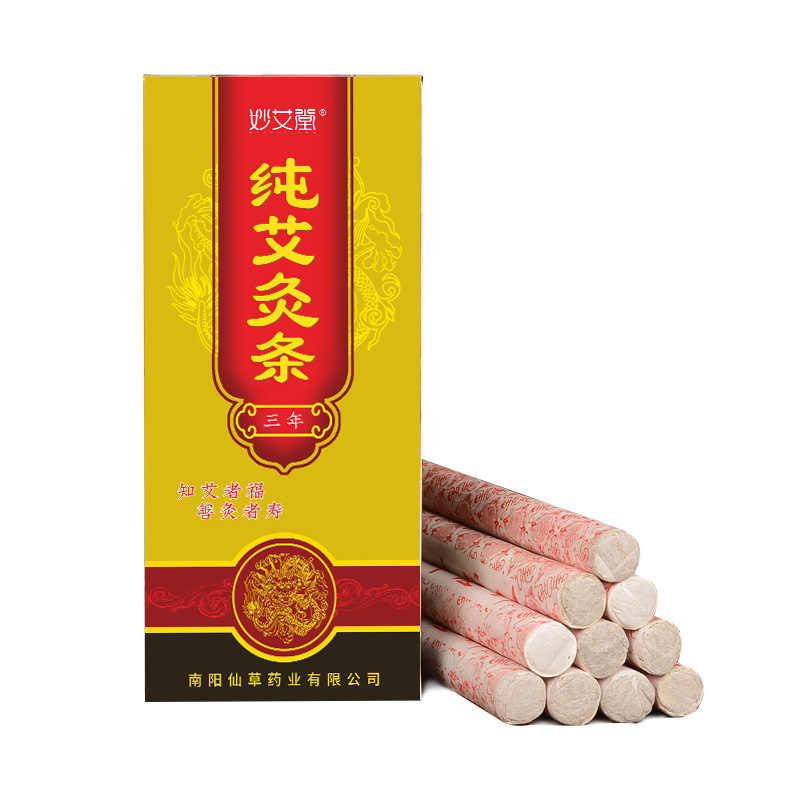
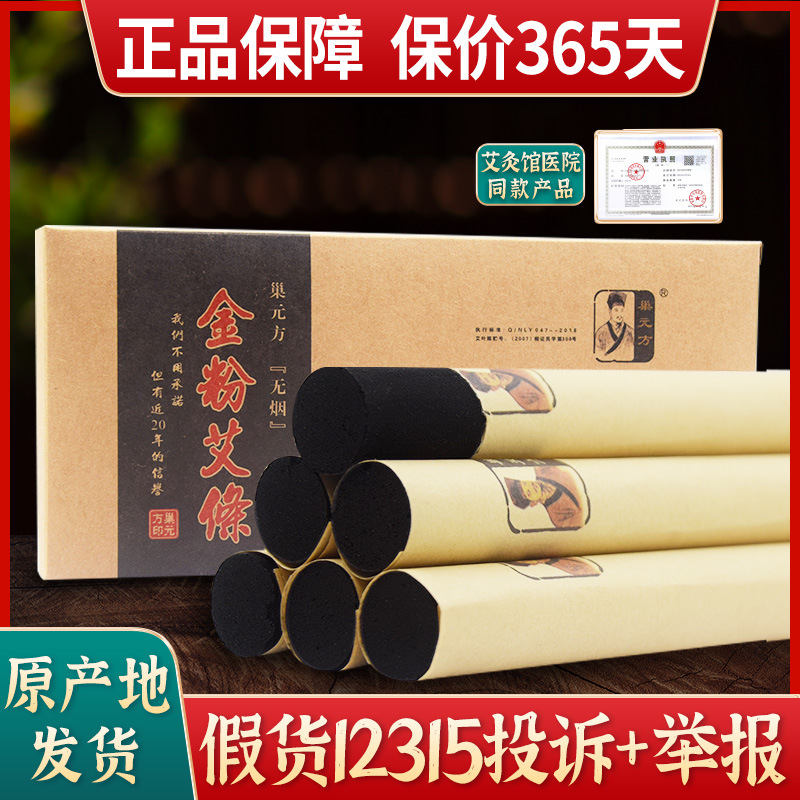
For traditional moxa rolls, the factory controls material preparation, dimensions, wrapping, packing and agreed burn-observation consistency. Moxa Sourcing can coordinate source, samples and specifications. The buyer decides how the product is categorized and labeled, including safety instructions and claims. The importer checks botanical or product import requirements, customs data and local sale rules.
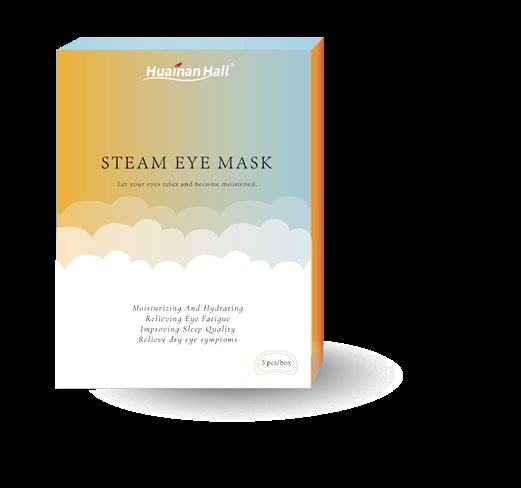
For warming patches or steam eye masks, the factory controls formula or fill, substrate, adhesive, pouch and production records. The buyer must decide whether the item is a general warming product, cosmetic, device or another category in the destination, and must approve claims and warnings. Strong domestic treatment, pain, sleep or circulation language should not flow into export artwork without review.
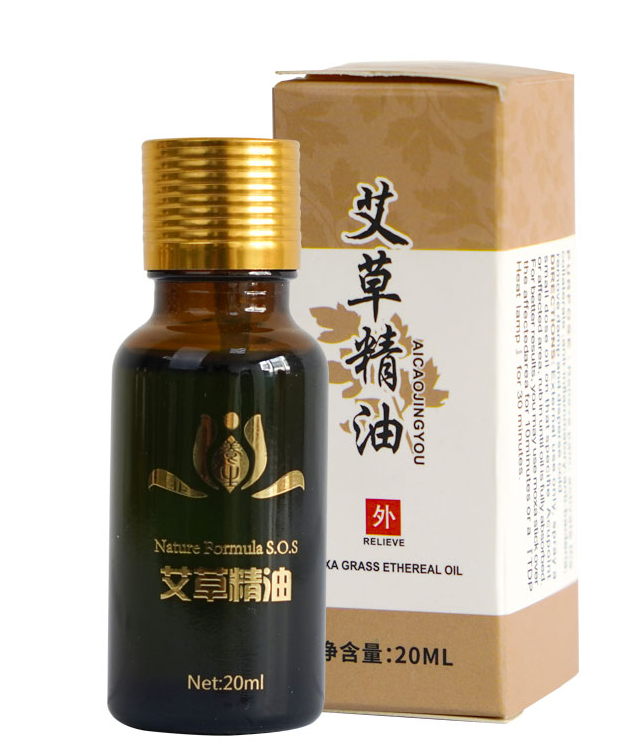
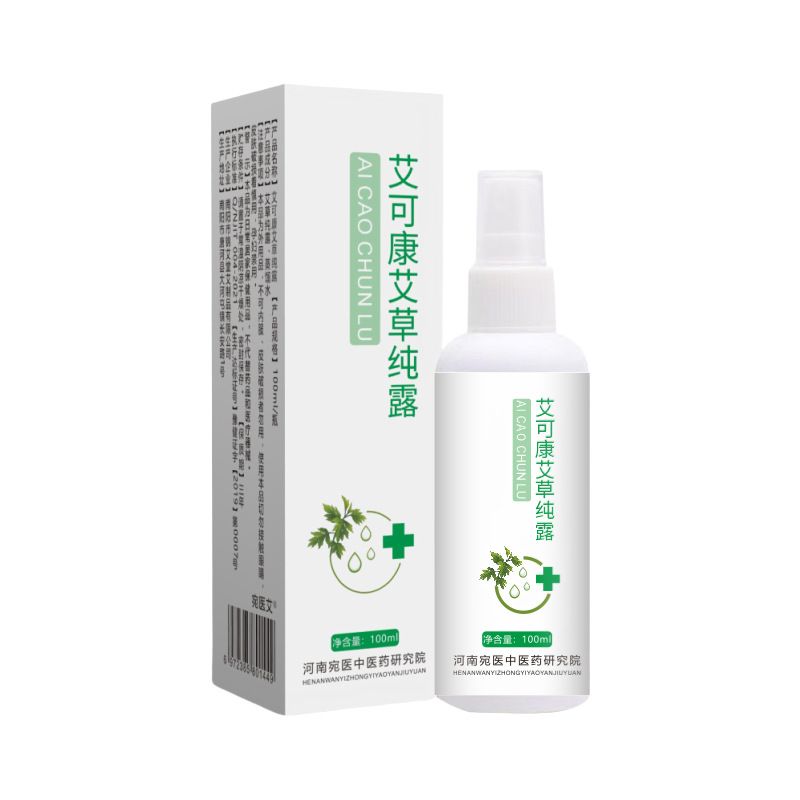
For mugwort oils and hydrosols, the factory supplies complete composition, process and pack information and manufactures to the approved version. The buyer defines whether the item is an ingredient, massage oil, cosmetic or another product and closes formula, preservation, testing, responsible-person and label requirements. The importer and broker use the approved identity for filing. An undefined ‘essential oil’ label is not enough.
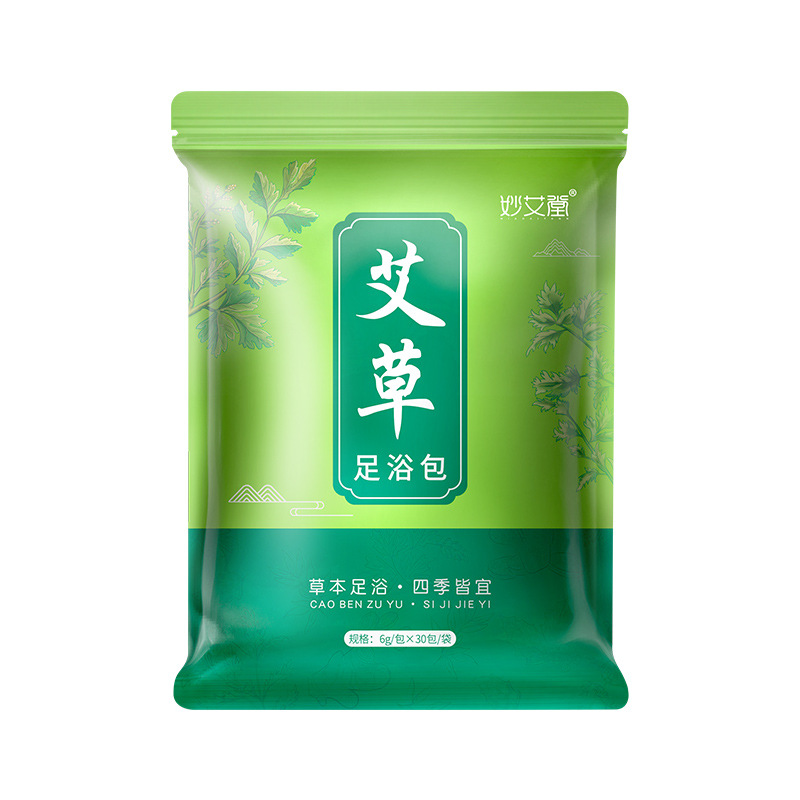
For foot-bath sachets, tools and textiles, the buyer still needs an exact material declaration and intended use. Botanical blends may raise ingredient or plant-material import questions. Tools may raise design, material and safety requirements. Textiles may have fiber, filling and labeling obligations. The sourcing partner tracks these open items; it does not merge them into one generic mugwort compliance statement.
What should be signed off before the order crosses each gate?
Every financial or irreversible commitment should have a matching evidence and responsibility sign-off.
Before samples, approve the buying brief, destination, product concept, sample budget and questions to close. Before a deposit or development fee, approve the proposed factory, scope, sample result, quotation basis, evidence gaps and responsible parties. Before materials or packaging are purchased, approve the formula or product specification, components and market direction. Before printing, approve final artwork and claims. Before bulk release, confirm the production and inspection plan.
Before shipment, close the lot result, nonconformance decisions, final document list, Incoterm, named place, importer, broker and route. The buyer should know which items are still pending after arrival, such as market notification, local labeling or distribution records. A shipment should not be used to force a market decision that was left open during development.
The sign-off can be concise. A table with decision, evidence link, owner, status and date is enough if it is maintained. Email or messaging approvals can be referenced, but final versions should be stored in the project record. The goal is to prevent one party from assuming another party closed a decision.
This boundary supports trust. Moxa Sourcing can coordinate the China-side workflow and make the handoff clearer. It does not promise that every mugwort product can enter every country or that a logistics provider can solve missing product evidence. The buyer receives a transparent map of what is ready, what remains and who owns the next action.
| Commercial gate | Minimum sign-off | Party that cannot be omitted |
|---|---|---|
| Sample request | Brief, destination, reference and decision questions | Buyer |
| Development or deposit | Factory route, sample status, quote scope and open risks | Buyer and contracting seller |
| Packaging purchase | Specification, component and artwork direction | Buyer and factory |
| Print release | Final label, claims, barcode and version | Buyer or importer |
| Bulk shipment | Inspection result, documents, Incoterm, importer and broker | Buyer or importer plus seller |
Sources and evidence notes
Public sources help frame terminology, specifications and buyer questions. They do not prove that every factory, formula or destination-market requirement is identical.
- [1]
Incoterms 2020International Chamber of Commerce · industry · accessed 2026-08-27
Explains that Incoterms allocate specified costs, risks and obligations between seller and buyer in trade contracts.
- [2]
Incoterms and Commercial Contracts: What the Rules Do and Do Not DoICC Digital Library · industry · accessed 2026-08-27
Supports the boundary that Incoterms do not determine product law, contract law or all health, safety and regulatory obligations.
- [3]
Guide for Import of GoodsEuropean Commission Access2Markets · regulator · accessed 2026-08-27
Describes importer preparation, product compliance, labeling, import documents, customs representation and contractual responsibilities in an EU context.
- [4]
Entry Review for FDA-Regulated ImportsU.S. Food and Drug Administration · regulator · accessed 2026-08-27
States that FDA-regulated imports must meet applicable standards and emphasizes accurate product, supplier and compliance data from importers.
- [5]
Actions and Enforcement for Imported FDA-Regulated ProductsU.S. Food and Drug Administration · regulator · accessed 2026-08-27
Explains importer responsibility for compliance of FDA-regulated products and possible entry enforcement actions.
- [6]
Importer NumbersU.S. Customs and Border Protection · regulator · accessed 2026-08-27
Provides a U.S. example of the importer-of-record identity used for customs entry and associated responsibility.
How this guide was prepared
Moxa Sourcing Editorial Team
The team translates supplier references, product samples and China-side sourcing workflows into practical English guidance for overseas buyers.
Moxa Sourcing Supply Review Team
The review team checks supplier attribution, commercial boundaries, product specifications and statements that require sample or market-specific verification.
Product availability, MOQ, price and production specifications are reconfirmed against the selected supplier reference. The buyer / importer remains responsible for destination classification, registration, final claims and customs clearance.