Evaluate mugwort product samples before price using a weighted scorecard for identity, specifications, packaging, evidence, QC and buyer decisions.
Mugwort buyers often receive units that look comparable but represent different product formats, formulas, packaging stages or manufacturing routes. A shelf sample in finished Chinese packaging is not automatically a private-label pre-production sample. A moxa cone with a lower box price may have a different weight, count or material definition. A hydrosol bottle may look complete while its formula, preservative system or target-market label remains open.
The purpose of this scorecard is to make those differences visible before price controls the decision. It is designed for wholesale and private-label teams evaluating moxa consumables, patches, oils, hydrosols, everyday-care products and moxibustion accessories. It separates confirmed facts, supplier statements, recorded sample observations and unresolved buyer decisions.
Which samples can enter the scorecard?
First identify what the object represents. The name “sample” can refer to five different commercial states.
| Sample state | What it can support | What it does not prove |
|---|---|---|
| Catalog or stock reference | Available format, approximate construction and early sourcing direction | Final manufacturer, formula, packaging or reproducibility |
| Appearance or concept sample | Shape, color, graphics and presentation direction | Production materials, function, stability or bulk consistency |
| Functional or formula sample | Product-specific observation under a recorded method | Destination authorization, long-term stability or batch conformity |
| Pre-production sample | Proposed materials, process, formula, pack and artwork | That every bulk unit will be defect-free |
| Retained approved sample | A coded physical reference for the selected configuration | Written tolerances, inspection sampling or market approval by itself |
A sample can enter comparison only when its project code, Sample ID, internal SKU + Spec Version where assigned, supplier, proposed manufacturer where known, supplier-side reference, receipt date and intended configuration are recorded. If two suppliers submit different states—one stock reference and one production-representative sample—the scorecard must show that evidence difference instead of pretending the units have equal maturity.
Once a candidate is selected, move it into the approved-sample-to-bulk specification workflow. That page owns specification freeze, artwork control, production release and change control. This guide owns the earlier choice among candidates.
What are the mandatory pass-or-hold gates?
Do not let a total score compensate for a critical unknown. Apply these gates before weighted scoring:
- Product identity: The unit, materials or complete formula basis, configuration and version are identifiable.
- Target-market context: Destination country or region, buyer type, channel, intended use and proposed claims are recorded.
- Representative status: The supplier states whether the sample represents proposed bulk materials, process, packaging and artwork.
- Critical-defect status: No wrong formula, unknown ingredient identity, wrong version, serious leakage, failed critical structure or other project-defined critical defect remains unresolved.
- Decision ownership: The buyer, importer, supplier or factory, sourcing coordinator and any laboratory or regulatory adviser know which decisions they own.
- Claims boundary: Domestic treatment, pain, circulation, detoxification or similar wording is not copied into export packaging without destination-specific review.
Use hold, reject, re-sample or
market review required when a gate is open. Do not convert
“formula unknown” into a small points deduction. The classification-before-claims
framework explains why intended use, ingredients or materials, label
and market can change the required route.
How does the 100-point mugwort sample scorecard work?
Set weights before reviewing final prices or knowing which supplier is preferred. The default below is a comparison method, not a universal industry standard.
| Scoring dimension | Weight | Buyer question | Minimum evidence |
|---|---|---|---|
| Product identity and evidence | 20 | Can we connect the unit to a supplier, manufacturer, version, material or formula and source file? | Coded sample, photos, identity record and evidence list |
| Measurable specification | 20 | Are dimension, weight, count, fill, construction and tolerances defined where relevant? | Drawing, measurement sheet and unit definitions |
| Category-specific sample quality | 20 | Were the right product risks observed under a recorded method? | Multiple-unit results, method, defects and photos |
| Packaging, label and private label | 15 | Are components, artwork version, language and customization scope clear? | Packaging BOM, physical sample and controlled artwork |
| Supply and manufacturing clarity | 10 | Are supplier, site, process and change communication understood? | Entity/site record and production explanation |
| Documents and market boundary | 10 | Which documents exist, what is missing and who confirms destination requirements? | Document matrix and named buyer/importer owner |
| Commercial and landed complexity | 5 | Can MOQ, packaging MOQ, fees, lead time and shipment assumptions be compared? | Dated, scope-matched quotation |
Every score needs a note containing the fact, evidence type, missing item, owner and next action. “Packaging: 11/15” is not auditable. “11/15 because the bottle and closure are identified, but physical leakage review and English artwork approval are pending” is useful.
Evidence labels should remain visible: confirmed fact,
supplier statement, public source,
sample observation, inference and
pending verification. Moxa Sourcing project references
illustrate the rule. MB2B-0013 / supplier-side reference AZ20356 records
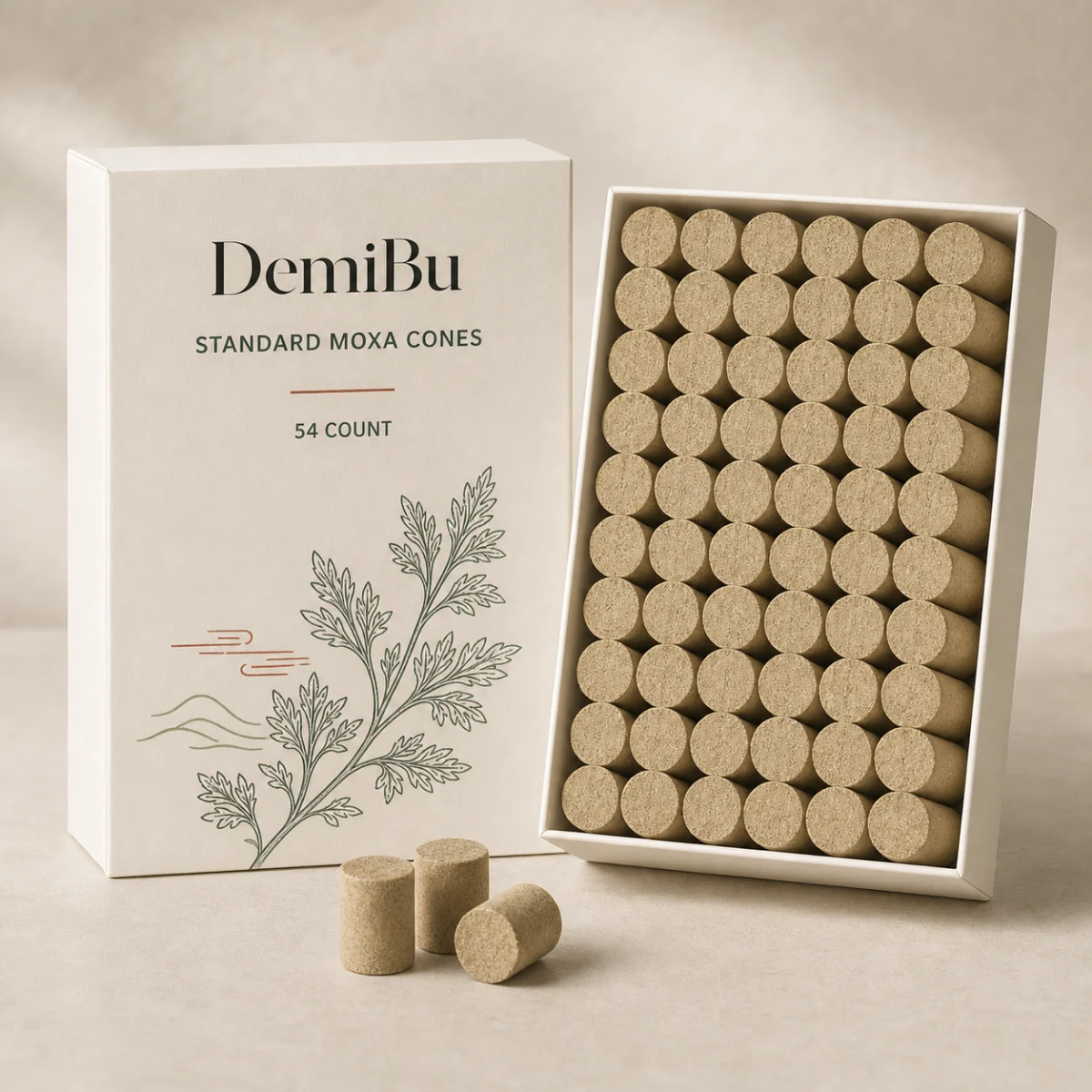
3:1, 18 × 27 mm and 54 cones per box, but those fields remain supplier
statements until an approved sample and documents verify their
definitions. See the 54-count moxa-cone
reference for the current sourcing starting point.
Which quality checks change by product family?
The common scorecard creates one decision language. Product-family branches prevent a generic checklist from missing the real risks.
Moxa consumables
For rolls, cones, stick-on units and loose moxa wool, record botanical or material identity, ratio definition, dimensions, weight, count, geometry, density proxy, visible foreign matter, shedding, moisture condition, inner protection and lot connection. MB2B-0003 / AT90152 is a stick-on project reference; MB2B-0013 / AZ20356 is a 54-count preformed unit. Their catalog fields are not measured sample results.
If burn duration, smoke, odor or ash matters to the commercial decision, predefine ventilation, ignition, sample count, timing and observation terms. The controlled moxa comparison method provides a non-clinical starting point. Results apply to the tested units and method, not to treatment outcomes or every use condition.
Patches, oils and hydrosols
Begin with complete formula or material construction, intended use, contact method, destination-market classification question and claims. Patches may require substrate, adhesive area, fill or heat-layer identity, liner, application location and a recorded adhesion or temperature method. Water-based liquids require formula identity, preservation status, microbiological and stability plans, fill volume, bottle, closure or sprayer and package compatibility.
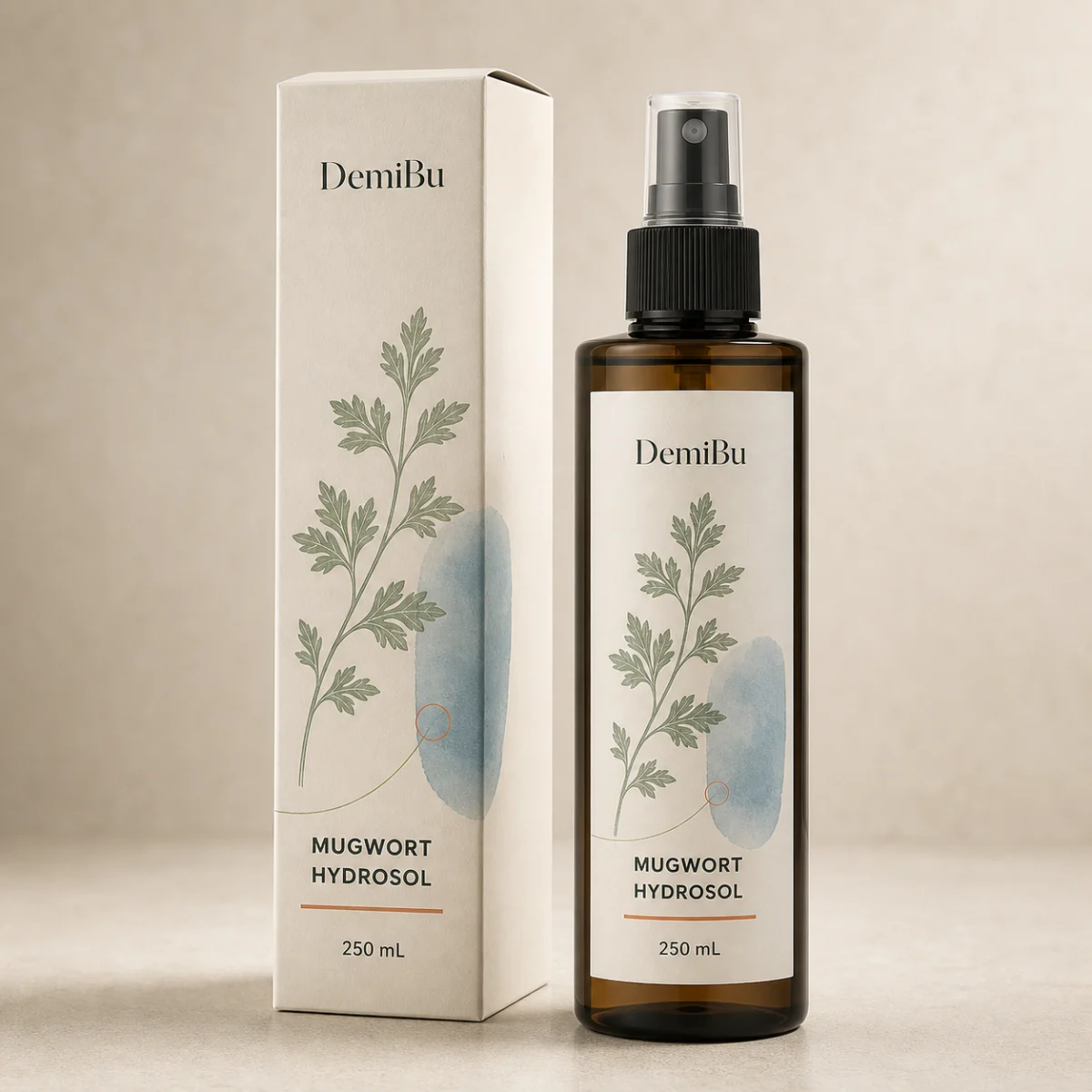
For example, MB2B-0026 currently records a 250 ml mugwort hydrosol reference and a supplier-listed carton quantity. Those facts do not confirm its complete formula, microbiology specification, closure compatibility or destination configuration. Review the 250 ml mugwort hydrosol product reference as a project starting point, not an approved product claim.
Devices and accessories
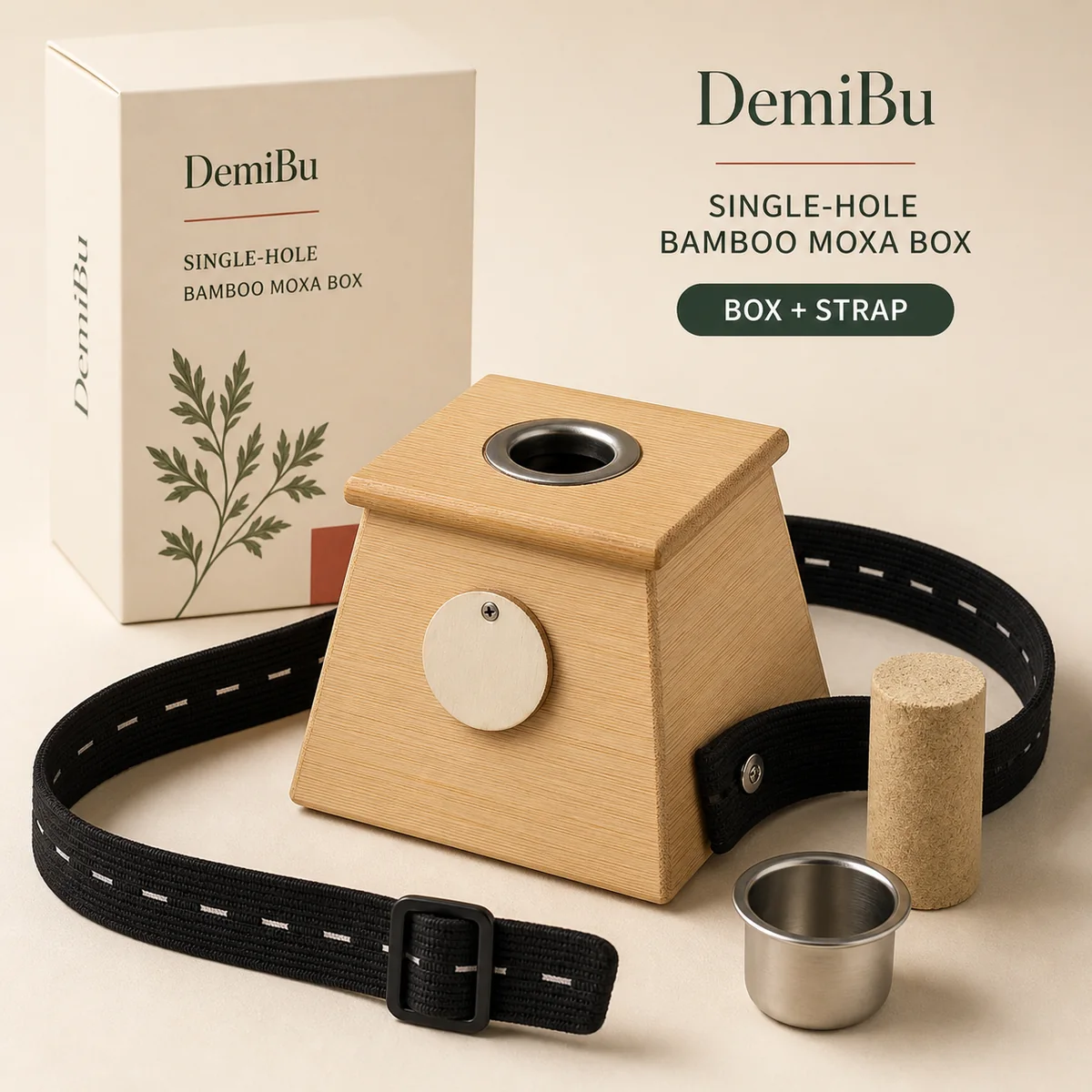
For bamboo boxes, handheld pots and strapped burners, check material, dimensions, tolerances, ventilation, inner chamber, ash-control parts, closure, strap, edges, assembly and compatibility with named consumables. MB2B-0031 lists bamboo, a single-hole box and strap as supplier information. Hole size, chamber dimensions, screen, closure and compatible roll still need sample inspection. The single-hole bamboo moxa-box reference should not be described as universally compatible.
How should buyers interpret the final score?
A score supports a next action, not an absolute quality label.
| Decision | When to use it | Required record |
|---|---|---|
| Reject | Identity conflicts with the brief or a critical defect is unacceptable | Reason, evidence and affected version |
| Hold | A mandatory gate or market decision is open | Missing evidence, owner and deadline |
| Re-sample | The direction is viable but the sample cannot represent production | Requested change and next sample type |
| Conditional approval | Weighted result meets the project threshold but named conditions remain | Conditions, evidence needed and release owner |
| Approve as reference | Gates are closed and the selected configuration is sufficiently defined | Coded retained sample, decision and linked files |
A project may use 80, 85 or 90 as an internal threshold, but the number has no meaning without its gates, weights and evidence. Higher-risk liquids, skin-contact products or strong claim concepts need stricter evidence and qualified target-market review. A neutral-pack trial still needs correct identity and version control.
The independent quality and supply network page explains how supplier evidence, sampling and inspection fit into sourcing. It does not turn this score into a certificate.
Is AQL part of sample approval?
Not in the same way. ISO 2859-1:2026, accessed 2026-09-02, describes sampling procedures for inspection by attributes and AQL-indexed schemes for lot-by-lot inspection. That supports structured batch acceptance sampling; it does not select a prototype, formula sample or pre-production sample for the buyer.
The sequence is:
- compare candidate samples and evidence;
- approve one configuration as the reference;
- convert the approval into measurable specifications and controlled files;
- define order-specific defects, checks, sampling and acceptance rules;
- inspect the production lot against those agreed references.
QIMA’s product inspection checklist guide, accessed 2026-09-02, identifies workmanship, functionality, dimensions, packaging, labeling, documents, quantity and visual criteria as customizable inspection areas. This supports product-specific checklists, not a claim that one fixed checklist or sampling level suits every mugwort SKU.
Why should price carry only a small score?
Price becomes meaningful only after the offers describe comparable products. One quote may include a retail box; another may cover only a neutral pouch. One hydrosol offer may include a defined sprayer and stability scope; another may postpone the closure choice. A low product MOQ can also hide a much higher printed-packaging MOQ.
Keep the sample-quality score focused on product truth, then build a separate landed-cost comparison containing:
- product price and Incoterm;
- product MOQ, label MOQ, box MOQ and insert MOQ;
- sample, tooling, printing, design and testing fees;
- unused packaging ownership and storage;
- production lead time and re-sample risk;
- carton count, dimensions, weight and freight assumptions;
- testing, customs, clearance and destination professional-service costs.
Ask for current values for the exact configuration. Do not treat a marketplace quantity or an older quotation as a universal MOQ.
Who is responsible for each decision?
The supplier or manufacturer should accurately identify the product, proposed site, materials or formula, process, packaging, sample version and available documents within the agreed scope. It should explain whether the sample can be reproduced and disclose proposed critical changes. Its technical records and agreed production consistency remain supply-side responsibilities.
Moxa Sourcing coordinates briefs, supplier communication, matched samples, specifications, packaging, inspections and China-side logistics within the agreed scope. Packaging design, testing, customs, clearance and freight can be arranged through professional partners, or buyers may use their own providers. Coordination does not mean every service is included or that cost, certification, registration, customs clearance or market access is guaranteed.
Use buyer-led, sourcing-supported compliance. The buyer or importer leads and finally approves destination classification, formula or material acceptability, label, claims, warnings, language, registration, importer details and channel requirements, while retaining statutory importer duties that cannot be transferred. Moxa Sourcing coordinates the product, supplier, document, testing and labeling inputs needed to support that decision. Product approval and market authorization remain separate decisions.
What belongs in an RFQ and sample-comparison brief?
Send the same brief to each candidate supplier:
- buyer type, destination market and intended channel;
- product family, intended use and prohibited claim language;
- reference photos, project ID, internal SKU + Spec Version, Sample ID or supplier-side reference;
- material, formula, size, weight, count, fill and construction fields;
- sample state required and number of units or sealed packs;
- packaging levels, private-label scope, languages and artwork status;
- category-specific sample checks and evidence requested;
- product MOQ and each packaging MOQ separately;
- estimated trial quantity and annual range;
- required documents, inspection expectations and decision owners;
- quotation basis, lead time and shipment assumptions.
For an acupuncture-channel assortment, the distributor buyer pathway can help define the commercial context before scoring individual units. Once the brief is complete, use one line per evidence gap rather than asking each supplier a different set of informal questions.
Sources and evidence notes
Public sources help frame terminology, specifications and buyer questions. They do not prove that every factory, formula or destination-market requirement is identical.
- [1]ISO 2859-1:2026 — Sampling procedures for inspection by attributesInternational Organization for Standardization · industry · accessed 2026-09-02
Official standard page used narrowly to distinguish AQL-indexed lot inspection from development-sample selection; protected sampling tables are not reproduced.
- [2]Pre-Shipment Inspection GuideQIMA · first party · accessed 2026-09-02
Third-party inspection guidance on agreed specifications, checklists and product attributes; it does not prove that Moxa Sourcing uses a QIMA service or method.
- [3]Product Inspection Checklists: What Is IncludedQIMA · first party · accessed 2026-09-02
Supports product-specific checklist fields for workmanship, function, dimensions, packaging, labeling, documents and quantity.
- [4]Pre-Production SampleJingSourcing · industry · accessed 2026-09-02
Process reference for distinguishing a pre-production or approved reference from later bulk inspection; no competitor performance claim is adopted.
How this guide was prepared
Moxa Sourcing Editorial Team
The team translates supplier references, product samples and China-side sourcing workflows into practical English guidance for overseas buyers.
Moxa Sourcing Supply Review Team
The review team checks supplier attribution, commercial boundaries, product specifications and statements that require sample or market-specific verification.
Product availability, MOQ, price and production specifications are reconfirmed against the selected supplier reference. The buyer or importer leads the destination-market decision and retains applicable statutory importer duties; Moxa Sourcing supports the process by coordinating product and supplier evidence, specifications, documents, testing and label inputs, version control and agreed professional partners.