Gourd Moxibustion Research: Reading Clinical Evidence
Read gourd moxibustion research in context: interventions, comparisons, outcomes, adverse events and the limits of each clinical study.
| Aspect | What the source material establishes |
|---|---|
| 2026 lumbar-disc abstract | 67 patients; four weeks; some outcomes differ, VAS and ODI not significantly different. |
| 2025 retrospective study | 109 patients; combined intervention, nonrandom allocation and short follow-up. |
| Evidence boundary | Neither establishes a universal operating prescription or superiority of every device. |
Frequently asked questions
How should traditional concepts and modern evidence be read?
Traditional Chinese medicine uses concepts such as warming channels and dispersing cold to describe moxibustion. These belong to its clinical and theoretical framework. Modern research asks which patients received which intervention, compared with what, and with which measured outcomes and adverse events. A statement about one framework should not silently become proof in the other.
What does the 2026 lumbar-disc study abstract report?
A 2026 journal abstract reports a four-week comparison involving 67 patients with a specified lumbar-disc-herniation syndrome. It reports differences in some outcomes, but no significant between-group difference for VAS pain or ODI disability. Absence of significance does not demonstrate equivalence. Only the abstract was reviewed; full methods and longer-term safety remain unassessed. [5]
What are the limits of the 2025 combined-treatment study?
A 2025 paper describes a single-centre retrospective analysis of 109 patients with cancer-related incomplete bowel obstruction. Gourd moxibustion and umbilical therapy were added to standard care in one group. Reported improvements concern that combined intervention. Nonrandom allocation, short follow-up and combined treatment limit attribution; this does not demonstrate treatment of cancer or superiority of a particular shell or commercial device. [6]
Which kinds of evidence answer which questions?
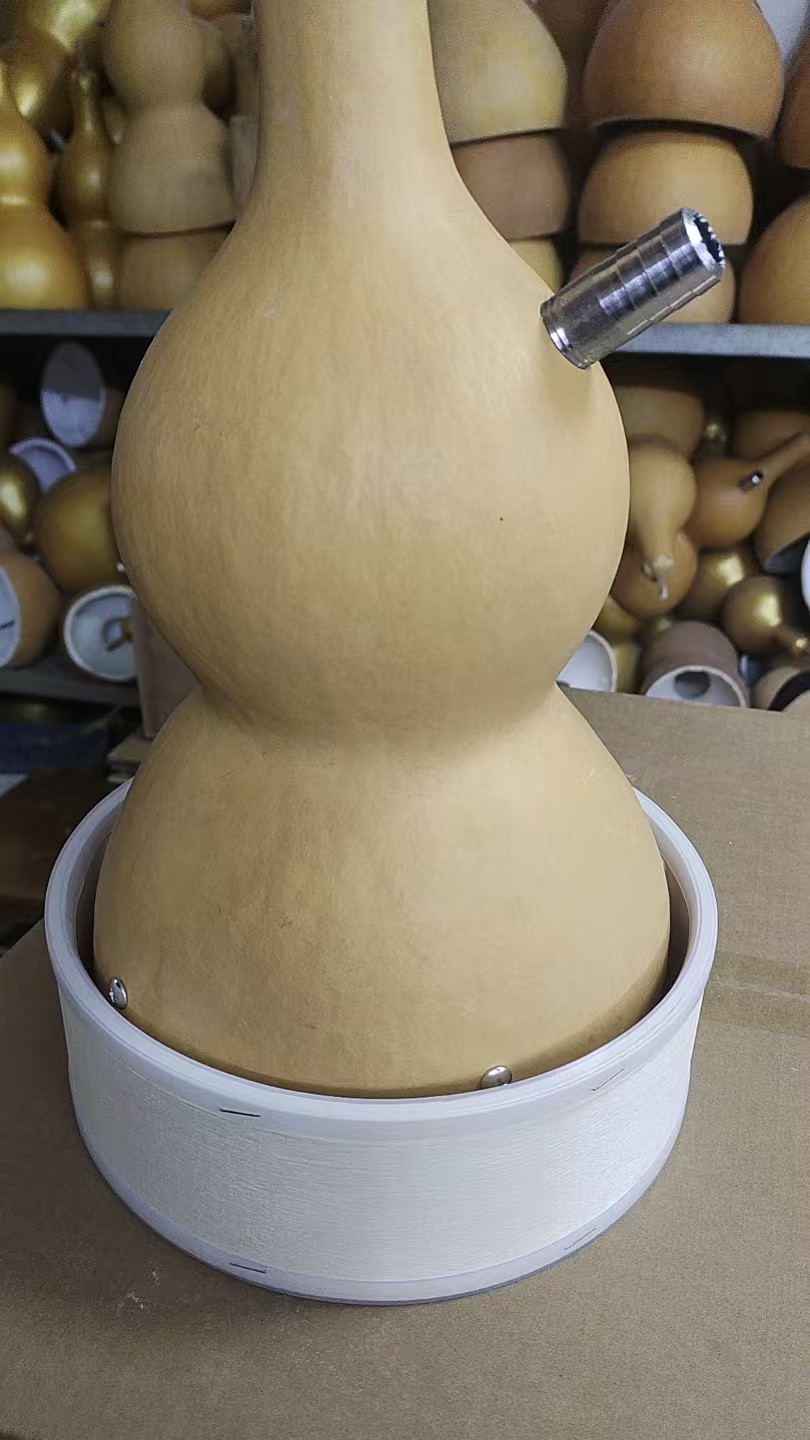
Use clinical papers to understand the intervention and its limits. A patent supports a disclosed design; a photograph supports visible appearance; a test report supports its identified sample and conditions. None can substitute for the other. This reference does not prescribe treatment, universal loading, temperature or duration.