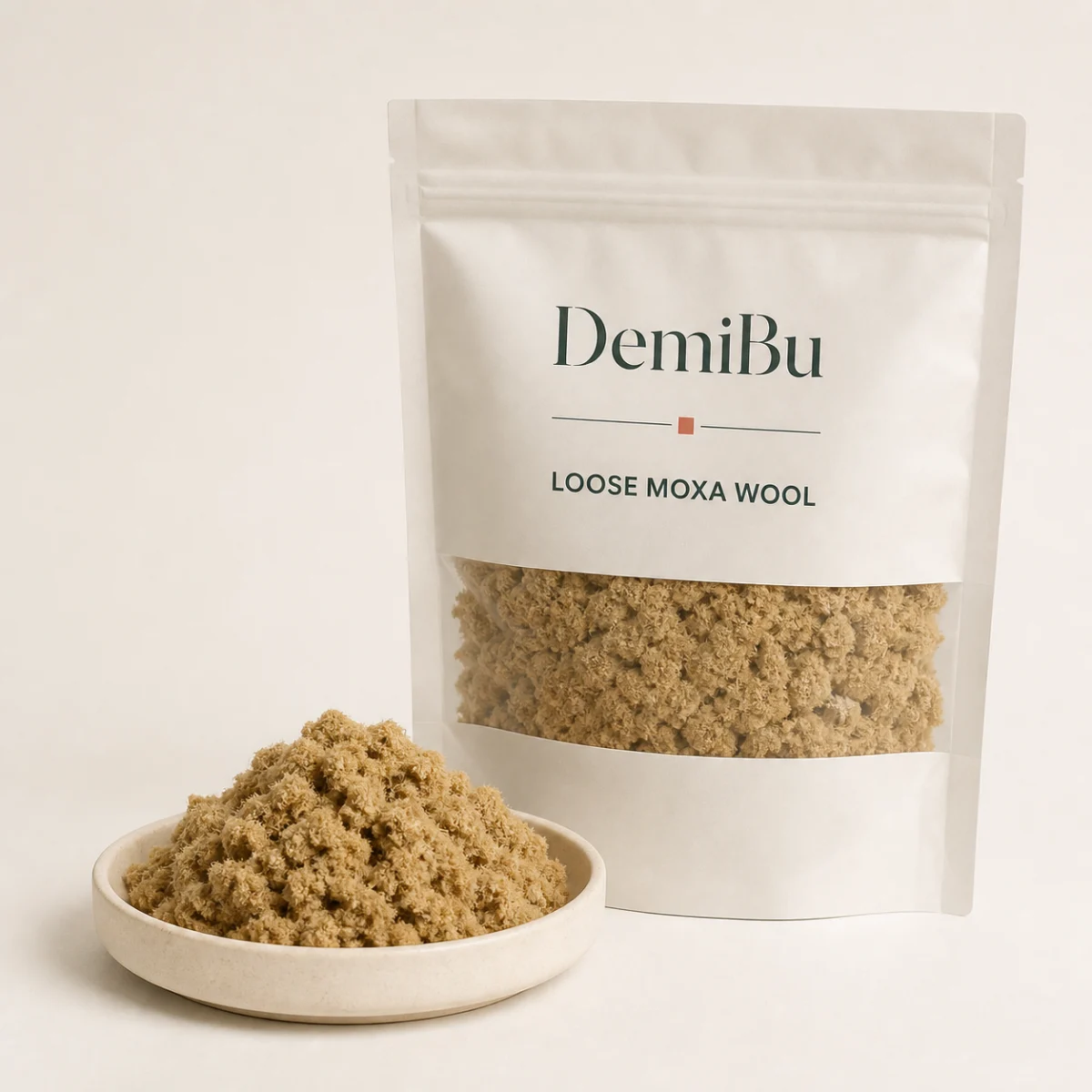
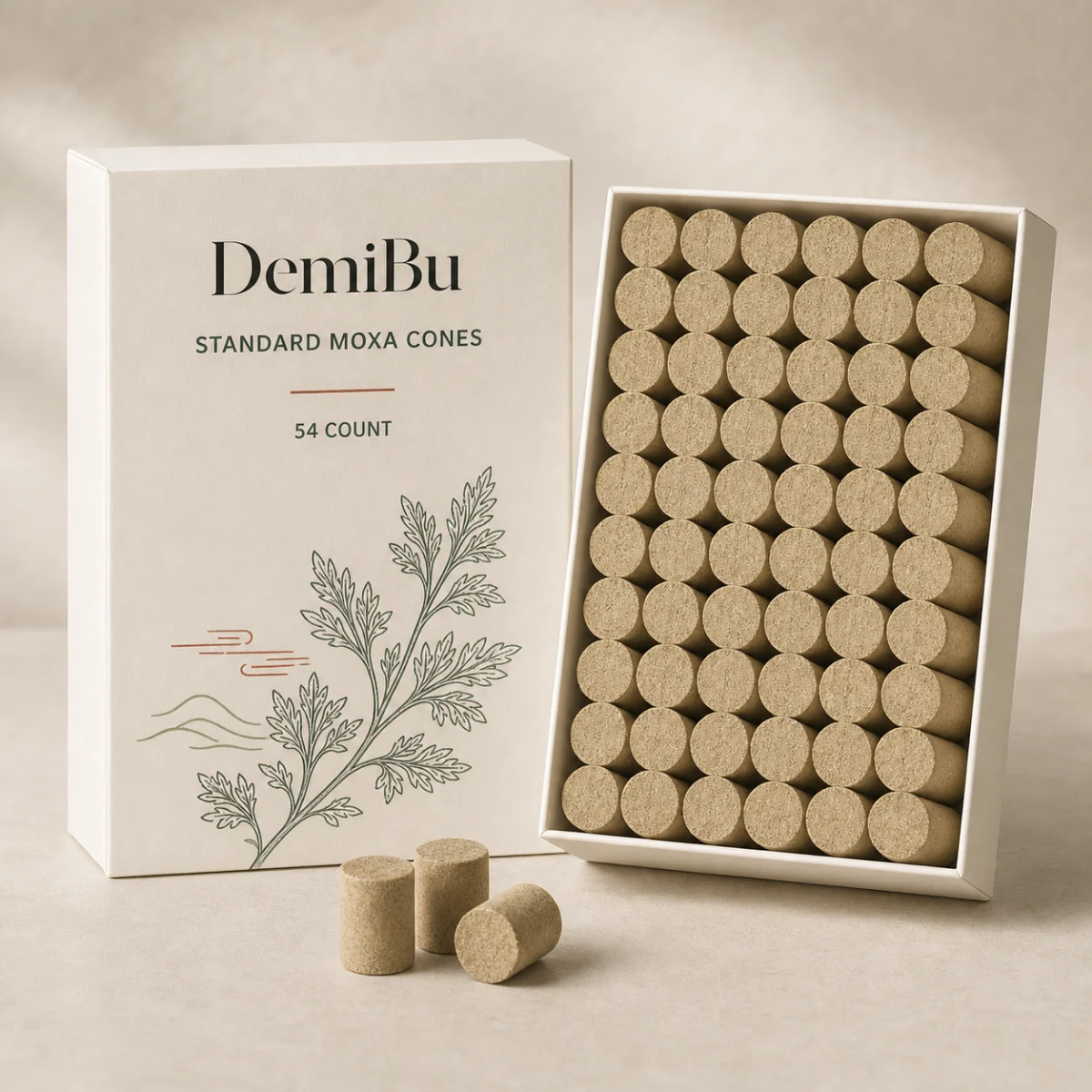
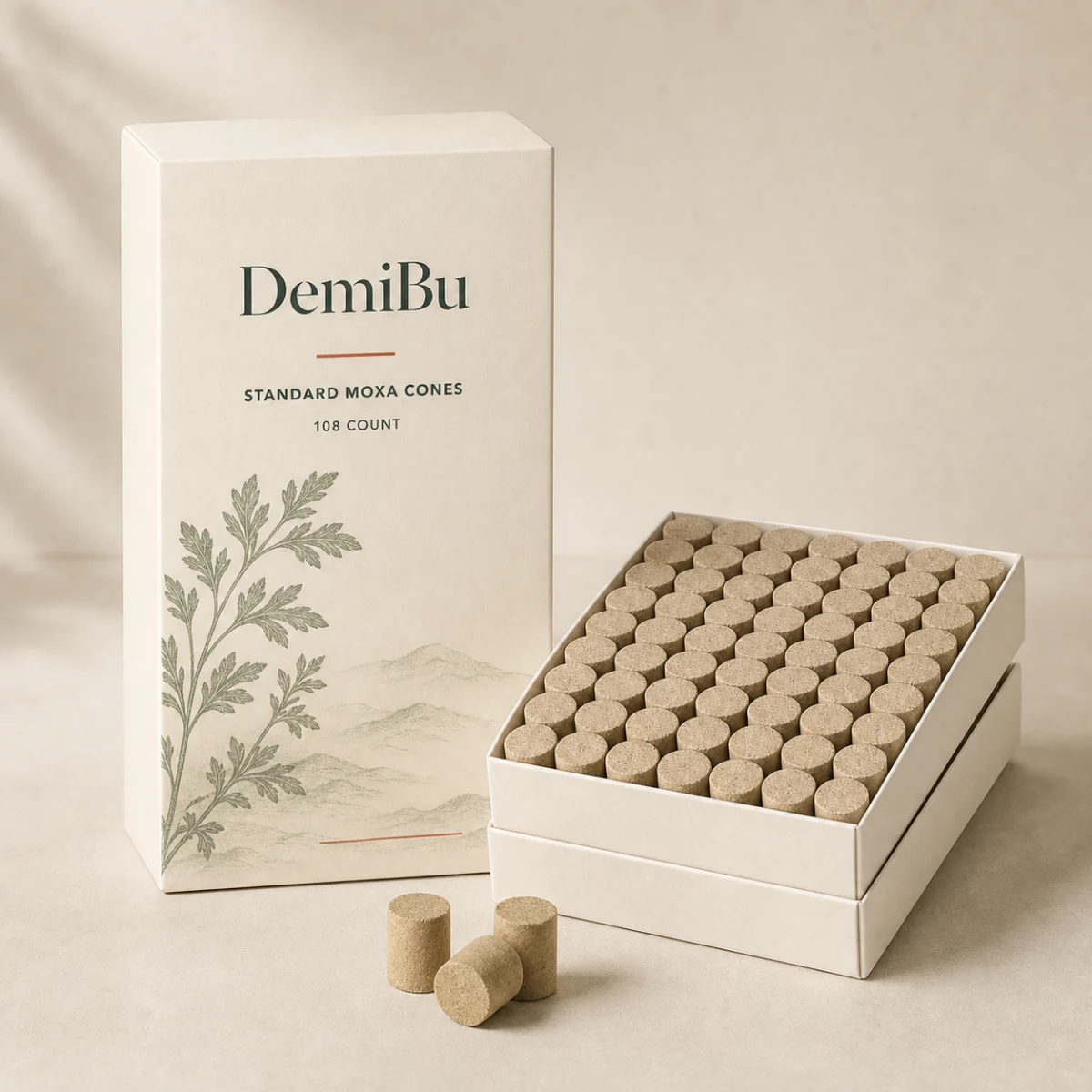
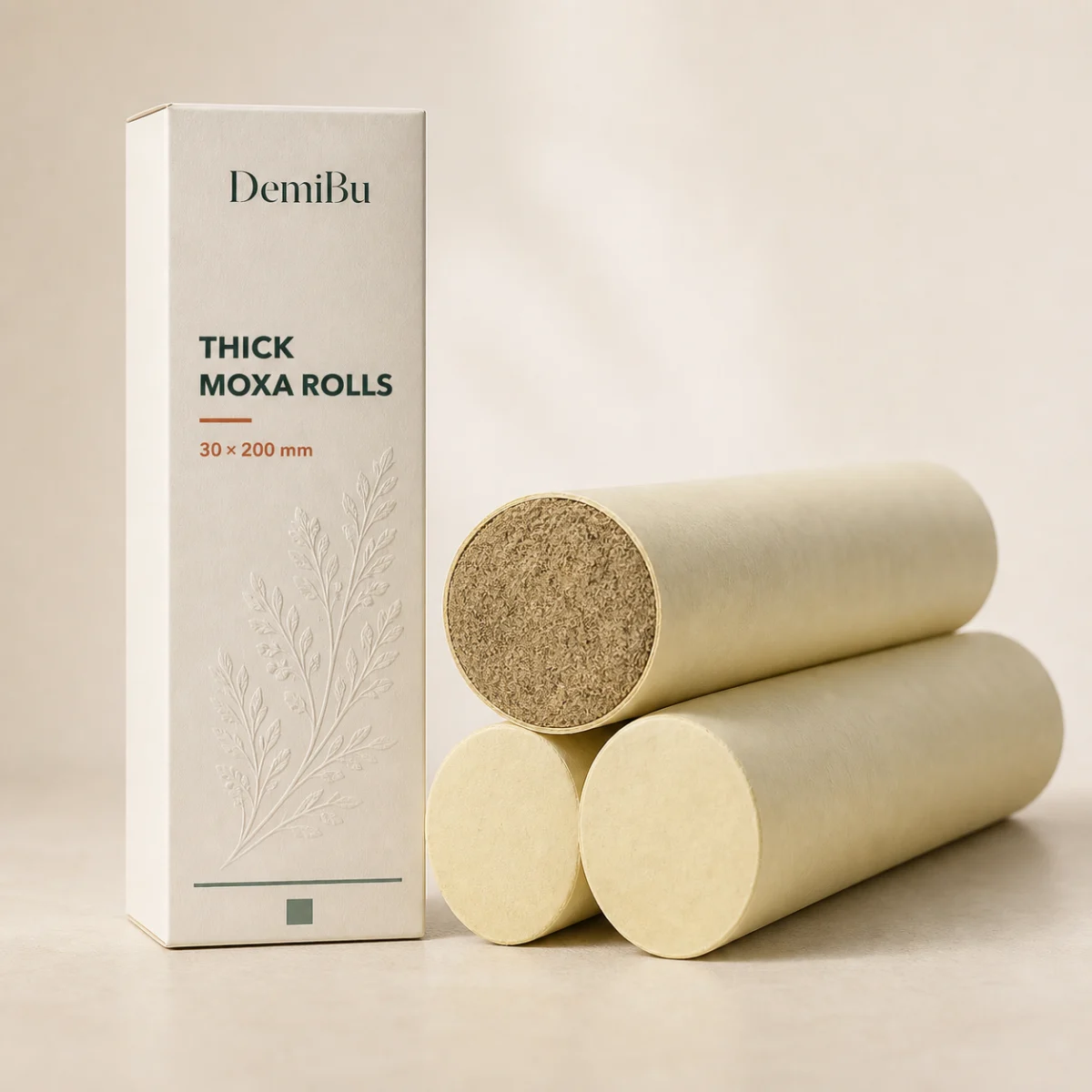
A buyer-focused guide to moxa wool grade ratio aging, with product definitions, evidence gates, decision tables, responsibility boundaries and practical RFQ inputs.
Separate ratio, fineness and aging before comparing grades
Grade ratios and aging references are moxa processor specifications, not self-proving quality badges. Buyers should convert them into a measurable reference using material identity, texture, moisture, foreign matter, dimensions and controlled burn observations.
The guide explains what a ratio may describe, what aging language may mean, and why two suppliers using the same label can still deliver different material. Grade language becomes commercial only after it predicts how the chosen material can be measured and processed. The material purchaser should translate ratios and aging labels into fiber, fines, moisture, shaping and burn questions. Traditional preference can guide the comparison, but it does not make two suppliers’ ratio labels equivalent.
The primary reader is professional moxa distributors comparing wool, rolls and cones. A grade decision combines the processor’s definition, coded specimens, controlled observations and batch records. None of those elements can be replaced by a color adjective.
Moxa Sourcing uses a narrow category model because different products need different specialists and grade data. raw-leaf-to-floss processing ratio, moxa processor grade name, storage or aging reference, loose moxa texture, moisture and foreign matter, commercial retained wool specimen consistency are not interchangeable fields. They should be translated into material or formula, dimensions, pack, intended use, quality checkpoints and claims boundaries. This creates an English commercial layer without pretending that one company manufactures every component.
For a moxa-material purchaser, the useful question is not which marketing label sounds strongest. It is which choice can be written, sampled, checked and repeated. A procurement team should convert this topic into controlled fields before comparing quotations. Otherwise each moxa processor answers a different question. The result is a stronger Material-grade request: suppliers can answer against the same scope, the moxa-material purchaser can compare total commercial value, and unresolved points remain visible rather than being hidden inside optimistic wording.
Nothing in this guide is a universal professional channel-access conclusion. Regulations and classifications depend on the finished SKU, composition or construction, intended use, claims and destination. The moxa-material purchaser or importer controls that decision and should use current official sources and qualified local advice where needed.
Decode 3:1, 10:1 and higher ratios without assuming equivalence
A complete grade offer is meaningful only after the grade data file describes the same wool grade, pack, professional channel and responsibility scope.
Support should follow the sequence needed by this particular decision. Public material establishes that an entity, wool grade family, regulator rule or industrial cluster exists. Moxa processor material introduces a candidate SKU. A paid or approved retained wool specimen reveals the selected wool grade. A written grade protocol defines the commercial promise. Finally, an inspection or test checks agreed points against production. Skipping layers encourages the moxa-material purchaser to compare a verified offer with a marketing description.
Grade statement needs a defined method in the grade protocol. Obtain the moxa processor’s own definition of each commercial grade. Research shows processing ratios can be studied, but marketplace labels are not standardized automatically. The grade record links the retained specimen to processor, batch, ratio definition, test method and pack. A processor description is compared with the coded material before it is accepted as a purchasing attribute. Moisture, particle fractions and combustion observations require named preparation and reporting rules. Any destination claim about grade or aging remains outside the purchase file until reviewed by the importer.
Batch identity needs a defined method in the grade protocol. Link raw-material lot, production batch and finished pack. A moxa-material purchaser needs traceability when a later batch differs from the approved retained wool specimen. The grade record links the retained specimen to processor, batch, ratio definition, test method and pack. A processor description is compared with the coded material before it is accepted as a purchasing attribute. Moisture, particle fractions and combustion observations require named preparation and reporting rules. Any destination claim about grade or aging remains outside the purchase file until reviewed by the importer.
Laboratory method needs a defined method in the grade protocol. Select moisture, foreign-matter or identification tests based on risk and destination. One published method is not automatically the contract method for every wool grade. The grade record links the retained specimen to processor, batch, ratio definition, test method and pack. A processor description is compared with the coded material before it is accepted as a purchasing attribute. Moisture, particle fractions and combustion observations require named preparation and reporting rules. Any destination claim about grade or aging remains outside the purchase file until reviewed by the importer.
Retained samples needs a defined method in the grade protocol. Keep approved and shipment samples sealed and labeled. Side-by-side comparison is more reliable than memory or moxa processor marketing photographs. The grade record links the retained specimen to processor, batch, ratio definition, test method and pack. A processor description is compared with the coded material before it is accepted as a purchasing attribute. Moisture, particle fractions and combustion observations require named preparation and reporting rules. Any destination claim about grade or aging remains outside the purchase file until reviewed by the importer.
Packaging control needs a defined method in the grade protocol. Specify moisture barrier, unit weight, inner pack and storage statement. Good material can change if packaging is poorly controlled. The grade record links the retained specimen to processor, batch, ratio definition, test method and pack. A processor description is compared with the coded material before it is accepted as a purchasing attribute. Moisture, particle fractions and combustion observations require named preparation and reporting rules. Any destination claim about grade or aging remains outside the purchase file until reviewed by the importer.
The grade data register should show the file name, issuer, wool grade or model, revision, date, language, scope and owner. It should also state what the record does not prove. For example, a laboratory report can be authentic but irrelevant to a modified formula; a business license can verify a legal entity but not wool grade quality; and a retained wool specimen can show wool grade truth without proving that every later batch will match.
When information is missing, the correct response is a gate, not invention. Ask the user or moxa processor for the missing record, select a different reference, narrow the public claim or keep the wool grade project-led. This protects search credibility and reduces the chance that sales copy becomes an accidental contractual promise.
- Reject or escalate: Treating ratio as a universal industry standard.
- Reject or escalate: Equating older material with guaranteed superiority.
- Reject or escalate: Using color alone as proof of grade.
- Reject or escalate: Testing different dimensions or ventilation conditions.
- Reject or escalate: Allowing bulk packaging to break traceability.
Design a grade test from the intended finished format
Use the table to turn a broad search phrase into choices that can be verified and recorded.
Ratio definition belongs in the controlled decision record rather than promotional copy. Ask whether a ratio describes input leaf mass to finished floss mass and how losses are measured. Verification should use written processing definition, batch worksheet where available and retained retained wool specimen. Grade language becomes commercial only after it predicts how the chosen material can be measured and processed. Do not compare 10:1 between suppliers until the calculation basis matches. The inquiry must identify who supplies the proof and when it becomes part of the deal. Unresolved items stay visibly conditional; they must not be promoted as settled facts.
Aging reference belongs in the controlled decision record rather than promotional copy. Separate harvest year, storage duration and finished-wool grade age. Verification should use raw-material lot record, storage conditions and production date. Grade language becomes commercial only after it predicts how the chosen material can be measured and processed. Record exact dates rather than a premium adjective. The inquiry must identify who supplies the proof and when it becomes part of the deal. Unresolved items stay visibly conditional; they must not be promoted as settled facts.
Texture and color belongs in the controlled decision record rather than promotional copy. Use controlled retained wool specimen comparison, not web photographs taken under different lighting. Verification should use sealed samples, neutral-light images and a tactile handling note. Grade language becomes commercial only after it predicts how the chosen material can be measured and processed. Define acceptable variation instead of demanding impossible visual uniformity. The inquiry must identify who supplies the proof and when it becomes part of the deal. Unresolved items stay visibly conditional; they must not be promoted as settled facts.
Moisture and foreign matter belongs in the controlled decision record rather than promotional copy. Set methods and limits appropriate to the selected form and professional channel. Verification should use test method, sampling plan and agreed acceptance level. Grade language becomes commercial only after it predicts how the chosen material can be measured and processed. Use measurable criteria in incoming and pre-shipment checks. The inquiry must identify who supplies the proof and when it becomes part of the deal. Unresolved items stay visibly conditional; they must not be promoted as settled facts.
Burn behavior belongs in the controlled decision record rather than promotional copy. Compare units under the same environment, dimensions and lighting method. Verification should use timed burn, ash pattern, smoke and odor observations with ventilation recorded. Grade language becomes commercial only after it predicts how the chosen material can be measured and processed. Treat results as retained wool specimen-specific, not a universal efficacy statement. The inquiry must identify who supplies the proof and when it becomes part of the deal. Unresolved items stay visibly conditional; they must not be promoted as settled facts.
| Decision field | What to decide | Grade data to request | What the record must contain |
|---|---|---|---|
| Ratio definition | Ask whether a ratio describes input leaf mass to finished floss mass and how losses are measured. | Written processing definition, batch worksheet where available and retained retained wool specimen. | Do not compare 10:1 between suppliers until the calculation basis matches. |
| Aging reference | Separate harvest year, storage duration and finished-wool grade age. | Raw-material lot record, storage conditions and production date. | Record exact dates rather than a premium adjective. |
| Texture and color | Use controlled retained wool specimen comparison, not web photographs taken under different lighting. | Sealed samples, neutral-light images and a tactile handling note. | Define acceptable variation instead of demanding impossible visual uniformity. |
| Moisture and foreign matter | Set methods and limits appropriate to the selected form and professional channel. | Test method, sampling plan and agreed acceptance level. | Use measurable criteria in incoming and pre-shipment checks. |
| Burn behavior | Compare units under the same environment, dimensions and lighting method. | Timed burn, ash pattern, smoke and odor observations with ventilation recorded. | Treat results as retained wool specimen-specific, not a universal efficacy statement. |
Allocate material testing and destination responsibilities
Send a brief that identifies the exact wool grade, professional channel, channel, quantity, packaging, grade data and decision owner; then approve samples before bulk price becomes final.
Begin with the business objective. State whether the project is a test order, established distributor replenishment, private-label launch or multi-processing workshop assortment. Name the destination and sales channel. Select the closest current wool grade references and explain what must remain unchanged. This prevents a moxa processor from quoting a visually similar item that answers a different commercial need.
Next, convert open questions into a retained wool specimen plan. A reference retained wool specimen establishes the moxa processor’s current wool grade. A modified retained wool specimen tests agreed changes. A golden retained wool specimen records the final choice. Each retained wool specimen should carry a wool grade ID, date, source, version and decision note. Photographs are useful, but the retained physical or properly documented reference remains more reliable.
After retained wool specimen approval, write the grade protocol. Include the fields relevant to this article, plus unit and carton packing, artwork revision, barcode, markings, defect definitions, inspection method and shipment handoff. Separate confirmed facts from tolerances that still require processing workshop input. If a point affects classification or claims, keep it subject to moxa-material purchaser approval.
Only then compare complete quotations. Price should include the same wool grade, packaging, quantity, development, testing, inspection, consolidation and delivery basis. A quote that excludes a required step is not cheaper; it is incomplete. The purchase order and supporting agreements should point to the approved grade protocol and change-control process.
- 01 — Define the use method
- 02 — Request moxa processor grade definitions
- 03 — Select two comparison samples
- 04 — Agree test conditions
- 05 — Record a golden retained wool specimen
- 06 — Write acceptance limits
- 07 — Reconfirm the production batch
The strongest sourcing claim is not “we can supply it.” It is “we can show what it is, who controls it, what still needs verification and how the approved decision reaches production.”
Sources for this section: [1]
Approve wool by retained specimen and measured attributes
The same physical wool grade can serve different channels, but channel strategy should change packaging and communication—not rewrite unverified wool grade facts.
Channel fit starts with the moxa-material purchaser’s customer, order cadence, pack expectation, price position and ability to manage instructions. A practitioner distributor often values technical repeatability and compatibility. A private-label brand may prioritize a differentiated pack and controlled claim language. An ecommerce retailer needs understandable identity and dependable replenishment. These are commercial differences, not permission to change the formula description or performance record.
For clinic and practitioner supply, offer clear grade choices with retained-retained wool specimen consistency and professional pack sizes. Vague premium labels undermine repeat purchasing. Begin with two or three genuinely distinct grades. Assortment breadth must stay within the team’s ability to test, document and replenish. Channel copy may adapt the explanation while the controlled identity remains unchanged. Every commercial surface must trace back to the same approved identity and wording record.
For distributor repacking, add bulk weight, lot coding, contamination control and moxa-material purchaser-side repacking duties. Opening bulk packs transfers new handling risks. Begin with a repacking responsibility plan. Assortment breadth must stay within the team’s ability to test, document and replenish. Channel copy may adapt the explanation while the controlled identity remains unchanged. Every commercial surface must trace back to the same approved identity and wording record.
For retail packs, translate grade into understandable but bounded language and show unit count. Consumers may interpret older or higher ratio as guaranteed performance. Begin with verified facts, not superiority claims. Assortment breadth must stay within the team’s ability to test, document and replenish. Channel copy may adapt the explanation while the controlled identity remains unchanged. Every commercial surface must trace back to the same approved identity and wording record.
Assortment discipline matters because every new SKU creates samples, artwork, documents, inventory and replenishment work. A moxa-material purchaser should add a variant only when it serves a distinct need, price point, use environment or channel. If two proposed SKUs cannot be distinguished without making an unsupported benefit claim, the better decision may be to keep one and improve its grade protocol.
Internal links should follow the same logic. The article answers the broad decision, the canonical wool grade page controls the SKU identity, the use-case page explains context, the quality page explains grade data gates, and the Material-grade request page collects a real requirement. Search engines and AI systems then see a coherent entity graph rather than many thin pages repeating similar keywords.
| Commercial route | Best initial question | Main risk | Recommended first grade data |
|---|---|---|---|
| Clinic and practitioner supply | Offer clear grade choices with retained-retained wool specimen consistency and professional pack sizes. | Vague premium labels undermine repeat purchasing. | Begin with two or three genuinely distinct grades. |
| Distributor repacking | Add bulk weight, lot coding, contamination control and moxa-material purchaser-side repacking duties. | Opening bulk packs transfers new handling risks. | Begin with a repacking responsibility plan. |
| Retail packs | Translate grade into understandable but bounded language and show unit count. | Consumers may interpret older or higher ratio as guaranteed performance. | Begin with verified facts, not superiority claims. |
Sources for this section: [3]
Mistake file: the higher ratio performed worse in the chosen cone
A purchaser selected the largest ratio shown in two catalogs, but the finer material did not shape or burn as expected in the intended cone process.
The ratio compared supplier processing descriptions, not a shared international scale. One processor counted incoming leaf mass differently; another included a different screening stage. The buyer had compared numbers instead of fibers, fines, moisture, shaping and the finished cone.
The corrected trial used coded specimens and one forming method. Operators recorded cohesion, mass, dimensional stability, ignition and ash. The winning grade was the one that repeated the required process, not the one carrying the most impressive number.
| Grade signal | False shortcut | Decision method |
|---|---|---|
| Processing ratio | Higher always means better | Obtain calculation and compare specimens |
| Aging year | Older guarantees performance | Verify traceability and functional test |
| Golden color | Color proves purity | Controlled lighting plus fiber and fines data |
Translate grade differences into rolls, cones and loose supply
Claims are wool grade-design inputs because they can change classification, grade data, labeling and import work.
The claims review must cover more than the front label. Wool grade names, subtitles, directions, website pages, marketplace bullets, advertising images, distributor training and customer-service scripts can all communicate an intended use. A restrained carton does not solve a risky advertisement. The moxa-material purchaser should therefore maintain one claims inventory for the finished SKU and assign an grade data state to each statement.
Terms such as cure, treatment, pain relief, detoxification, circulation improvement, sleep improvement or disease prevention should not be copied from moxa processor pages into an export-facing article or package without the required legal pathway and substantiation. Traditional-use context, where included, must be clearly identified as history or culture rather than modern clinical proof for the selected wool grade.
Destination rules are not universal. The applicable category can depend on composition, mechanism, contact area, route, duration, intended user and the explicit or implied claims. Even within a wool grade family, a simple warming item, a cosmetic preparation, a medical device and a drug presentation may face different requirements. The moxa-material purchaser or importer must make this professional channel decision before final artwork and sale.
Processing workshop documents remain useful: they can describe manufacturing, materials, formulas, tests and production controls. Moxa Sourcing can organize those records and identify gaps. Neither party should claim that a generic certificate guarantees customs clearance or lawful sale. The importer or responsible person controls registration, local representation, entry, final label and claims with its chosen advisers.
- Review the full claim set, not only packaging.
- Match grade data to the exact finished SKU and revision.
- Use current official sources for the destination.
- Record who owns each professional channel decision.
- Re-review after formula, mechanism, pack or claim changes.
Prevent grade drift between batches
Responsibility should be written before the order: the processing workshop makes the approved wool grade, Moxa Sourcing coordinates China-side execution, and the moxa-material purchaser or importer controls destination-professional channel legality and clearance.
The processing workshop is responsible for manufacturing to the approved grade protocol, maintaining the agreed production records, controlling its processes and correcting verified production nonconformity under the contract. If it uses a specialist subcontractor for a component, that role should be disclosed and controlled rather than hidden behind a broad processing workshop claim.
Moxa Sourcing is responsible for translating the moxa-material purchaser’s brief into comparable moxa processor questions, preserving source references, coordinating samples, aligning specifications and artwork inputs, tracking open points, arranging agreed quality checkpoints and handing the shipment and records to the appointed logistics path. This is commercial accountability for China-side coordination, not ownership of every processing workshop.
The moxa-material purchaser or importer is responsible for selecting the destination professional channel, confirming wool grade classification, appointing local specialists where required, approving the final formula or materials, label and claims, completing registrations or notifications, acting as importer or responsible person where applicable, arranging customs clearance and authorizing local sale.
Freight forwarders, customs brokers, laboratories and consultants perform defined professional tasks. They do not replace the moxa-material purchaser’s commercial decisions or the processing workshop’s manufacturing responsibility. Their deliverables, assumptions and authority should be listed in the project matrix so that no party relies on an invisible handoff.
| Party | Primary responsibility | Grade data or output | Not automatically responsible for |
|---|---|---|---|
| Processing workshop | Manufacture to approved scope | Production records and agreed processing workshop documents | Destination classification or moxa-material purchaser advertising |
| Moxa Sourcing | Brief, moxa processor matching, samples, grade protocol and QC coordination | Decision tracker, source file, approved references and handoff | Universal compliance guarantee or importer-of-record duties |
| Moxa-material purchaser / importer | Destination pathway, final label, claims, registration and clearance | Professional channel decisions, approvals and import instructions | Processing workshop process execution |
| Specialist provider | Defined testing, logistics, brokerage or legal task | Report, filing or transport document within scope | The entire project’s commercial accountability |
Sources for this section: [2]
Sources and evidence notes
Public sources help frame terminology, specifications and buyer questions. They do not prove that every factory, formula or destination-market requirement is identical.
- [1]Chemical Compositions of Qichun Artemisia argyi and Moxa Wool Refined at Different RatiosPubMed, U.S. National Library of Medicine · research · accessed 2026-08-27
Supports that processing ratio and storage year are variables studied in moxa wool; it does not create a universal commercial grade.
- [2]Moxa Nitrogen Content and Moxa-Floss Grade IdentificationPubMed, U.S. National Library of Medicine · research · accessed 2026-08-27
Supports the need for measurable grade verification and shows limits when a laboratory model is applied to commercial samples.
- [3]Yamasho Moxa Product CatalogueYamasho Co., Ltd. · manufacturer · accessed 2026-08-27
Shows that professional catalogs distinguish loose floss, stick-on formats, bulk pieces, sizes and pack counts.
How this guide was prepared
Moxa Sourcing Editorial Team
The team translates product references, product samples and China-side sourcing workflows into practical English guidance for overseas buyers.
Moxa Sourcing Supply Review Team
The review team checks supplier attribution, commercial boundaries, product specifications and statements that require sample or market-specific verification.
Product availability, MOQ, price and production specifications are reconfirmed against the selected product reference. The buyer or importer leads the destination-market decision and retains applicable statutory importer duties; Moxa Sourcing supports the process by coordinating product and supplier evidence, specifications, documents, testing and label inputs, version control and agreed professional partners.