Buy moxa boxes, pots and portable burners through interface dimensions, airflow, ash control, materials, fastening and verified fuel compatibility.
Compatibility belongs on an interface drawing
Tool and consumable must be specified as a pair because small dimensional changes affect retention, airflow and ash.
Begin with the consumable ID. Measure diameter, length, weight and burning orientation. Then measure the opening, chamber depth, screen position, clearance and retention method on the tool. Put both sides on one controlled sheet.
Universal fit is a marketing statement until named combinations are evaluated. A stick may enter an opening yet sit too close to a wall, draw poorly or be difficult to remove. Mark combinations tested, conditional or not tested.
AcuTop’s one-hole box listing shows why dimensions are buying fields. DMC’s catalogue separates boxes, burners and fuel. These public records establish product structures, not approval of our selected units.
Replenishment is part of compatibility. The consumer must be able to identify the correct roll or cone later. Place the replenishment reference in instructions, distributor data and warehouse records.
When a kit crosses suppliers, preserve source ownership. The tool maker controls construction, the moxa processor controls consumables, and the interface specification controls the system sold.
| Tool | Operating concept | Critical interfaces | Test fuel |
|---|---|---|---|
| Single-hole box | one localized roll position | outer size, opening, chamber, screen, lid, strap | named replenishment stick |
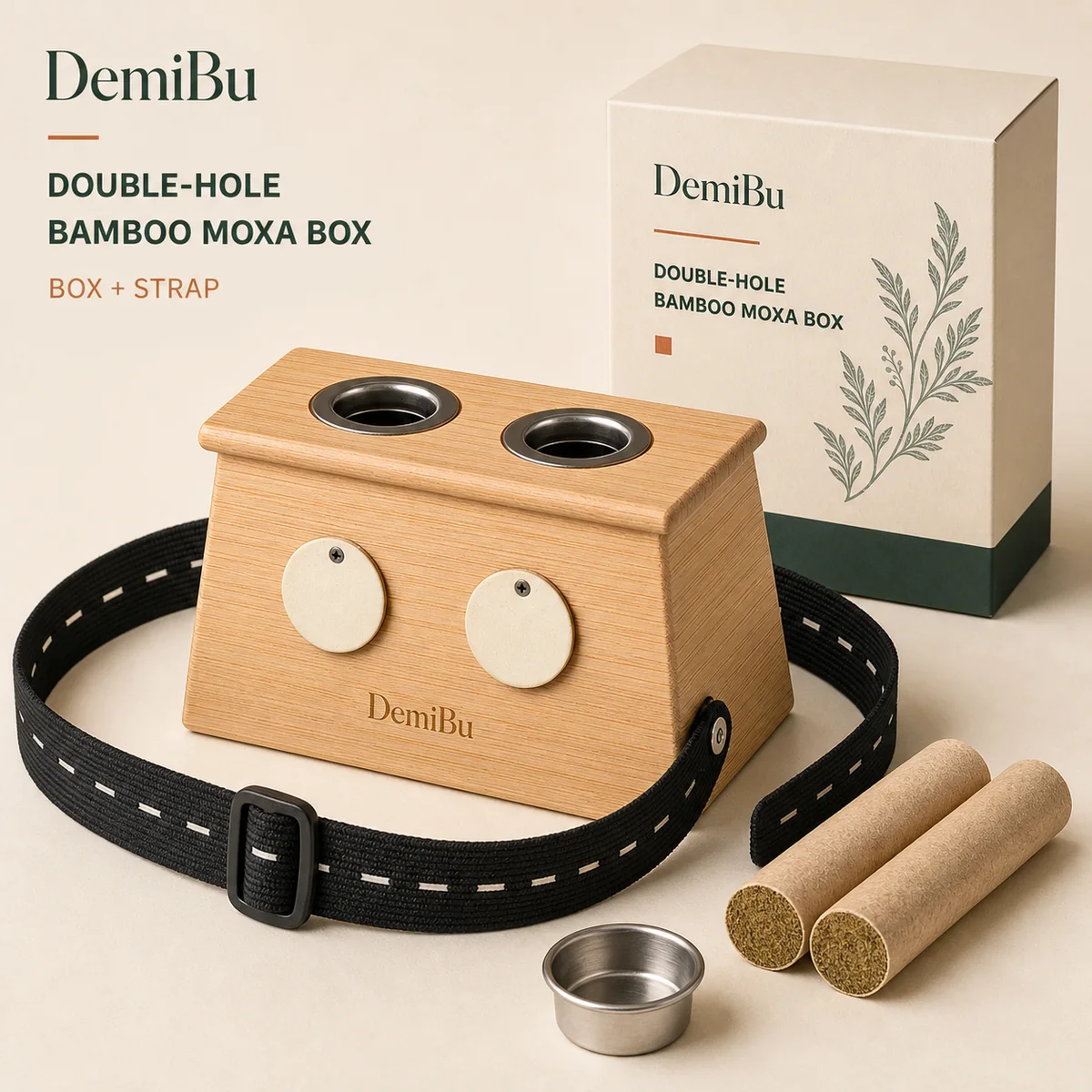
| Double-hole box | two simultaneous positions | hole spacing, clearance, screen, ventilation and strap | two units from intended SKU |
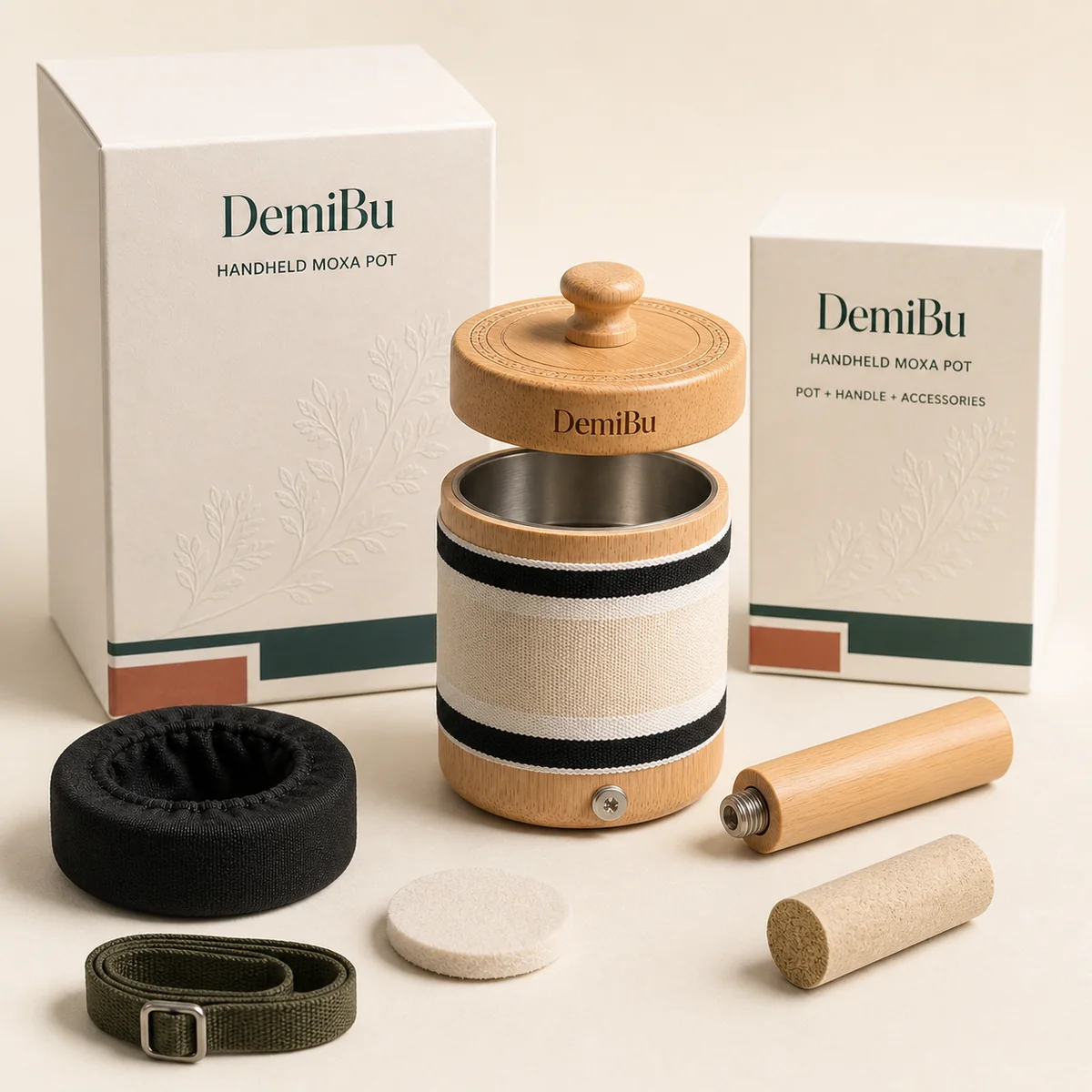
| Handheld pot | operator-controlled movable chamber | basket, handle joint, cover, vents, ash capture | specified cone or roll piece |
| Strapped burner | wearable holder | contact layer, insulation, strap, chamber and closure | approved low-smoke or other fuel |
Trace air, flame, ash and extinguishing
A finish-only inspection misses the operating path that determines practical risk.
Map air inlets, the combustion chamber and outlets. Observe whether lids, filters or fabric alter draft. More ventilation is not automatically better; geometry and the approved consumable determine stable behavior.
Ash control includes screen mesh, basket depth, gaps, closure and spent-material removal. Test upright, angled and gently moved positions relevant to the tool. Record escape, residue contact and difficulty clearing the chamber.
Observe accessible surfaces, straps, handles and adjoining materials during the approved cycle. The buyer’s risk plan defines method and limits; one demonstration cannot support a universal safety statement.
Extinguishing needs explicit sequencing. State whether fuel is removed, covered or transferred to another extinguisher, and how cooling is confirmed. Cleaning access should not require damaging screens or touching residue.
Ventilation and supervision language belongs in the final instruction set and destination review. WHO’s practice benchmark distinguishes products from trained practice environments; it does not certify a particular holder.
- Inlet and outlet
- Chamber clearance
- Screen retention
- Ash escape in motion
- Accessible surface heat
- Extinguishing
- Cleaning
Sources for this section: [3]
Replace material labels with a bill of construction
Bamboo, metal and textile names do not control joints, coatings, repeated heat or cleaning.
For bamboo boxes, record body thickness, joints, coating, lid hardware, screen and strap. Inspect splits, sharp edges, glue residue, warping and inconsistent finish. Natural appearance is not construction evidence.
For metal pots, identify chamber, screen, handle and coatings. Check edges, joints, looseness, corrosion and discoloration after cycles. Replacement filters or liners require product IDs and counts.
Strapped burners add textiles and body interfaces. Measure adjustment range, stitching, closure and insulation. Fit review should cover intended users without making therapeutic claims.
Material substitution needs notification. A different screen mesh or coating can change draft, cleaning and heat. An approved-alternative list should state component codes and the re-test decision.
Packaging must protect delicate screens, handles and finishes. A product that passes function but arrives bent or scratched still fails its channel promise.
| Zone | Record | Inspection |
|---|---|---|
| Body | material and dimensions | cracks, deformation, edges, finish |
| Insert | metal/material, mesh, position | retention, corrosion, airflow |
| Closure | lid, latch or thread | security and repeated cycles |
| Interface | handle, strap, insulation | fit, stitching and loosening |
| Accessories | filters, liners, tools | count and compatibility |
Sources for this section: [2]
Four tools solve four operating problems
Selection should reflect stability, coverage, movement and skill, not decorative variety.
A single-hole box provides the clearest starting platform for one fuel position. Its value is controllable construction and interface. It may fit professional or consumer assortments only after directions and market review.
A double-hole box creates broader or simultaneous coverage and adds spacing interactions. It should not be described as simply twice a single-hole unit. Evaluate two fuels together and inspect the central screen.
A handheld pot moves under operator control. Handle joints, chamber retention and ash capture therefore matter more than on a stationary box. Users should not need to break fuel arbitrarily to make it fit.
A strapped burner exchanges hands-free portability for motion and body-interface questions. Strap, closure, insulation and selected fuel need a full-set sample. Keep it project-led until those items are locked.
Do not make all four products compete for the same buyer keyword. Use-case pages can compare operating situations while each canonical tool page retains dimensions and evidence.
| Situation | Preferred starting tool | Reason to reject |
|---|---|---|
| Localized stationary | single-hole box | interface or screen unresolved |
| Broader stationary | double-hole box | spacing or combined airflow unresolved |
| Operator-guided movement | handheld pot | weak handle or ash retention |
| Wearable movement | strapped burner | contact, fastening or closure unresolved |
Inspect repeated function, not just arrival condition
Joints, screens, coatings and straps may change after cycles even when the unpacked tool looks correct.
Use an incoming visual and dimensional check followed by functional cycling with the named fuel. Record condition before, during and after. The cycle count should reflect the buyer’s risk decision, not an arbitrary industry claim.
For bamboo, watch cracks, deformation, lid fit and unintended charring. For metal, check joint looseness, corrosion and screen integrity. For textiles, observe stitching, elasticity and contact-surface changes.
Reference, engineering, pilot and shipment samples answer different questions. The pilot validates production-intent construction. Pre-shipment inspection checks quantity, measurements, finish, components, instructions and agreed functional sampling.
Retain a complete approved kit. If either fuel or tool changes, compare it with the reference. Product photography cannot reveal small internal shifts that alter clearance.
Define nonconformity handling before the order. A loose screen may require rework; a cosmetic shade difference may be acceptable. The decision depends on agreed defect classes.
| Stage | Focus | Output |
|---|---|---|
| Reference | concept and basic fit | selected pair |
| Engineering | dimensions, materials, cycles | approved construction |
| Pilot | production process and pack-out | golden kit |
| Shipment | quantity, workmanship and sampled function | release decision |
Send a small equipment specification as the RFQ
Drawings, fuel samples and use context prevent suppliers from substituting a similar-looking burner.
Name tool type, dimensions, material expectations, compatible fuel, strap or handle, screen, accessories, retail pack and carton. Photographs are supplemental; call out critical interfaces in writing.
Request a complete tool-and-fuel sample set. Ask which parts are made in-house, which come from specialist workshops and how incoming components are checked. Outsourcing is manageable when disclosed and controlled.
Keep responsibility compact: the tool factory controls construction; Moxa Sourcing coordinates the match, samples, specification and inspection; the buyer/importer approves destination classification, professional or consumer positioning, instructions, warnings, registration and clearance.
Ask for current MOQ, tooling, component alternatives, replacement parts and change-notification practice. A low tool price can be offset by unclear fuel replenishment or fragile packaging.
Your acceptance file should include interface drawing, material record, functional cycle observations, instruction master, golden kit and shipment inspection points.
Interface memo 1: Single-hole box serves one localized roll position. Capture outer size, opening, chamber, screen, lid, strap and test it with named replenishment stick. Put replenishment data beside the result. A change to screen, opening, strap or fuel triggers a documented compatibility review.
Interface memo 2: Double-hole box serves two simultaneous positions. Capture hole spacing, clearance, screen, ventilation and strap and test it with two units from intended SKU. Put replenishment data beside the result. A change to screen, opening, strap or fuel triggers a documented compatibility review.
Interface memo 3: Handheld pot serves operator-controlled movable chamber. Capture basket, handle joint, cover, vents, ash capture and test it with specified cone or roll piece. Put replenishment data beside the result. A change to screen, opening, strap or fuel triggers a documented compatibility review.
Interface memo 4: Strapped burner serves wearable holder. Capture contact layer, insulation, strap, chamber and closure and test it with approved low-smoke or other fuel. Put replenishment data beside the result. A change to screen, opening, strap or fuel triggers a documented compatibility review.
Interface memo 5: Single-hole box serves one localized roll position. Capture outer size, opening, chamber, screen, lid, strap and test it with named replenishment stick. Put replenishment data beside the result. A change to screen, opening, strap or fuel triggers a documented compatibility review.
Interface memo 6: Double-hole box serves two simultaneous positions. Capture hole spacing, clearance, screen, ventilation and strap and test it with two units from intended SKU. Put replenishment data beside the result. A change to screen, opening, strap or fuel triggers a documented compatibility review.
Interface memo 7: Handheld pot serves operator-controlled movable chamber. Capture basket, handle joint, cover, vents, ash capture and test it with specified cone or roll piece. Put replenishment data beside the result. A change to screen, opening, strap or fuel triggers a documented compatibility review.
Interface memo 8: Strapped burner serves wearable holder. Capture contact layer, insulation, strap, chamber and closure and test it with approved low-smoke or other fuel. Put replenishment data beside the result. A change to screen, opening, strap or fuel triggers a documented compatibility review.
Interface memo 9: Single-hole box serves one localized roll position. Capture outer size, opening, chamber, screen, lid, strap and test it with named replenishment stick. Put replenishment data beside the result. A change to screen, opening, strap or fuel triggers a documented compatibility review.
Interface memo 10: Double-hole box serves two simultaneous positions. Capture hole spacing, clearance, screen, ventilation and strap and test it with two units from intended SKU. Put replenishment data beside the result. A change to screen, opening, strap or fuel triggers a documented compatibility review.
Interface memo 11: Handheld pot serves operator-controlled movable chamber. Capture basket, handle joint, cover, vents, ash capture and test it with specified cone or roll piece. Put replenishment data beside the result. A change to screen, opening, strap or fuel triggers a documented compatibility review.
Interface memo 12: Strapped burner serves wearable holder. Capture contact layer, insulation, strap, chamber and closure and test it with approved low-smoke or other fuel. Put replenishment data beside the result. A change to screen, opening, strap or fuel triggers a documented compatibility review.
Interface memo 13: Single-hole box serves one localized roll position. Capture outer size, opening, chamber, screen, lid, strap and test it with named replenishment stick. Put replenishment data beside the result. A change to screen, opening, strap or fuel triggers a documented compatibility review.
Interface memo 14: Double-hole box serves two simultaneous positions. Capture hole spacing, clearance, screen, ventilation and strap and test it with two units from intended SKU. Put replenishment data beside the result. A change to screen, opening, strap or fuel triggers a documented compatibility review.
Interface memo 15: Handheld pot serves operator-controlled movable chamber. Capture basket, handle joint, cover, vents, ash capture and test it with specified cone or roll piece. Put replenishment data beside the result. A change to screen, opening, strap or fuel triggers a documented compatibility review.
Interface memo 16: Strapped burner serves wearable holder. Capture contact layer, insulation, strap, chamber and closure and test it with approved low-smoke or other fuel. Put replenishment data beside the result. A change to screen, opening, strap or fuel triggers a documented compatibility review.
Interface memo 17: Single-hole box serves one localized roll position. Capture outer size, opening, chamber, screen, lid, strap and test it with named replenishment stick. Put replenishment data beside the result. A change to screen, opening, strap or fuel triggers a documented compatibility review.
Interface memo 18: Double-hole box serves two simultaneous positions. Capture hole spacing, clearance, screen, ventilation and strap and test it with two units from intended SKU. Put replenishment data beside the result. A change to screen, opening, strap or fuel triggers a documented compatibility review.
Interface memo 19: Handheld pot serves operator-controlled movable chamber. Capture basket, handle joint, cover, vents, ash capture and test it with specified cone or roll piece. Put replenishment data beside the result. A change to screen, opening, strap or fuel triggers a documented compatibility review.
Interface memo 20: Strapped burner serves wearable holder. Capture contact layer, insulation, strap, chamber and closure and test it with approved low-smoke or other fuel. Put replenishment data beside the result. A change to screen, opening, strap or fuel triggers a documented compatibility review.
Interface memo 21: Single-hole box serves one localized roll position. Capture outer size, opening, chamber, screen, lid, strap and test it with named replenishment stick. Put replenishment data beside the result. A change to screen, opening, strap or fuel triggers a documented compatibility review.
Interface memo 22: Double-hole box serves two simultaneous positions. Capture hole spacing, clearance, screen, ventilation and strap and test it with two units from intended SKU. Put replenishment data beside the result. A change to screen, opening, strap or fuel triggers a documented compatibility review.
Interface memo 23: Handheld pot serves operator-controlled movable chamber. Capture basket, handle joint, cover, vents, ash capture and test it with specified cone or roll piece. Put replenishment data beside the result. A change to screen, opening, strap or fuel triggers a documented compatibility review.
Interface memo 24: Strapped burner serves wearable holder. Capture contact layer, insulation, strap, chamber and closure and test it with approved low-smoke or other fuel. Put replenishment data beside the result. A change to screen, opening, strap or fuel triggers a documented compatibility review.
Interface memo 25: Single-hole box serves one localized roll position. Capture outer size, opening, chamber, screen, lid, strap and test it with named replenishment stick. Put replenishment data beside the result. A change to screen, opening, strap or fuel triggers a documented compatibility review.
Interface memo 26: Double-hole box serves two simultaneous positions. Capture hole spacing, clearance, screen, ventilation and strap and test it with two units from intended SKU. Put replenishment data beside the result. A change to screen, opening, strap or fuel triggers a documented compatibility review.
Interface memo 27: Handheld pot serves operator-controlled movable chamber. Capture basket, handle joint, cover, vents, ash capture and test it with specified cone or roll piece. Put replenishment data beside the result. A change to screen, opening, strap or fuel triggers a documented compatibility review.
Interface memo 28: Strapped burner serves wearable holder. Capture contact layer, insulation, strap, chamber and closure and test it with approved low-smoke or other fuel. Put replenishment data beside the result. A change to screen, opening, strap or fuel triggers a documented compatibility review.
Interface memo 29: Single-hole box serves one localized roll position. Capture outer size, opening, chamber, screen, lid, strap and test it with named replenishment stick. Put replenishment data beside the result. A change to screen, opening, strap or fuel triggers a documented compatibility review.
Interface memo 30: Double-hole box serves two simultaneous positions. Capture hole spacing, clearance, screen, ventilation and strap and test it with two units from intended SKU. Put replenishment data beside the result. A change to screen, opening, strap or fuel triggers a documented compatibility review.
Interface memo 31: Handheld pot serves operator-controlled movable chamber. Capture basket, handle joint, cover, vents, ash capture and test it with specified cone or roll piece. Put replenishment data beside the result. A change to screen, opening, strap or fuel triggers a documented compatibility review.
Interface memo 32: Strapped burner serves wearable holder. Capture contact layer, insulation, strap, chamber and closure and test it with approved low-smoke or other fuel. Put replenishment data beside the result. A change to screen, opening, strap or fuel triggers a documented compatibility review.
Interface memo 33: Single-hole box serves one localized roll position. Capture outer size, opening, chamber, screen, lid, strap and test it with named replenishment stick. Put replenishment data beside the result. A change to screen, opening, strap or fuel triggers a documented compatibility review.
Interface memo 34: Double-hole box serves two simultaneous positions. Capture hole spacing, clearance, screen, ventilation and strap and test it with two units from intended SKU. Put replenishment data beside the result. A change to screen, opening, strap or fuel triggers a documented compatibility review.
Interface memo 35: Handheld pot serves operator-controlled movable chamber. Capture basket, handle joint, cover, vents, ash capture and test it with specified cone or roll piece. Put replenishment data beside the result. A change to screen, opening, strap or fuel triggers a documented compatibility review.
- Tool ID and environment
- Interface drawing
- Named fuel
- Materials
- Draft and ash system
- Handle/strap/contact
- Cycle plan
- Destination instructions
Sources for this section: [3]
Sources and evidence notes
Public sources help frame terminology, specifications and buyer questions. They do not prove that every factory, formula or destination-market requirement is identical.
- [1]One-Hole Bamboo Moxa BoxAcuTop · distributor · accessed 2026-08-27
Public product specification demonstrating that tool dimensions and consumable compatibility are concrete buying fields.
- [2]Acupuncture Needles and TCM Products CatalogueDMC · distributor · accessed 2026-08-27
Public catalog evidence that moxa boxes, burners and consumables are separate commercial items with compatibility and pack questions.
- [3]WHO Benchmarks for the Practice of AcupunctureWorld Health Organization · regulator · accessed 2026-08-27
Supports the distinction between a product and the trained practice, infrastructure and safety controls around acupuncture-related services.
How this guide was prepared
Moxa Sourcing Editorial Team
The team translates product references, product samples and China-side sourcing workflows into practical English guidance for overseas buyers.
Moxa Sourcing Supply Review Team
The review team checks supplier attribution, commercial boundaries, product specifications and statements that require sample or market-specific verification.
Product availability, MOQ, price and production specifications are reconfirmed against the selected product reference. The buyer or importer leads the destination-market decision and retains applicable statutory importer duties; Moxa Sourcing supports the process by coordinating product and supplier evidence, specifications, documents, testing and label inputs, version control and agreed professional partners.