Learn why mugwort sourcing requires category-specific factory matching, sample control, written specifications and clear importer responsibilities.
Why does one mugwort category hide several different supply chains?
Because the word mugwort describes an ingredient or botanical theme, while the products sold under that theme require different materials, processes, equipment, tests and commercial controls.
A buyer may begin with a simple instruction such as ‘find mugwort products in China.’ That instruction can lead to a pure moxa roll, a carbonized low-smoke stick, loose moxa wool, a warming patch, a steam eye mask, a botanical body oil, a hydrosol, a foot-bath sachet, a bamboo moxa box or a textile item. These are not interchangeable variations of one manufacturing process. A producer that mills and grades moxa wool may have no appropriate filling, preservation or packaging process for a water-based hydrosol. A patch producer may understand adhesive substrates and heat profiles but not the dimensional tolerances and ventilation design of a bamboo moxa box. The botanical link is real; the operational link is limited.
This is the first reason to use a category specialist. The work begins by decomposing a broad request into product families. For each family, the buyer needs a different question set. Moxa consumables require decisions about material grade, size, density, wrapping, ignition, burn behavior, ash and pack count. Skin-contact patches require formula disclosure, substrate, adhesive behavior, heat or cooling profile, wear duration, pouch barrier and artwork review. Oils and hydrosols require complete composition, dilution or preservation status, container compatibility, leakage checks, sensory limits and microbiological planning. Tools require dimensions, material, ventilation, heat resistance, ash control and consumable compatibility.
The second reason is commercial. An existing domestic SKU, a light private-label adaptation and a newly developed formula may look similar on a website, yet they create different lead times, minimum order quantities and failure points. A buyer who wants to test demand should not automatically enter a full development program. Conversely, a brand that needs a defined formula, controlled packaging and market-specific files should not accept a generic domestic reference merely because the unit price is attractive. The sourcing path must fit the stage of the business, not only the appearance of the product.
A category specialist therefore does not add value by presenting the longest product list. It adds value by narrowing the list, stating why each shortlisted reference fits the brief, and identifying which facts remain sample-dependent or market-dependent. That distinction is especially important in mugwort sourcing because the same English marketing term may be used for products with materially different composition, construction or intended use. A responsible shortlist contains fewer assumptions and more questions that can be closed before production.
| Product family | Factory capability to confirm | Evidence before approval | Typical buyer decision |
|---|---|---|---|
| Moxa rolls, cones and wool | Material processing, forming, wrapping and burn consistency | Sample measurements, grade declaration, burn observation and pack specification | Traditional or low-smoke format, professional or retail pack |
| Warming or topical patches | Formula handling, coating or filling, substrate, adhesive and pouch sealing | Ingredient or material declaration, temperature or wear test, adhesion review and artwork | Market positioning, skin-contact language and target application area |
| Oils and hydrosols | Mixing or distillation basis, filling, preservation control and bottle compatibility | Complete composition, fill tolerance, leakage, stability and microbiology plan | Cosmetic, massage, personal-care or ingredient positioning |
| Tools and textiles | Material fabrication, dimensional control, safety features and accessory assembly | Dimensions, material statement, compatibility check and packaging drop review | Consumable fit, channel presentation and user instructions |
What does the Nanyang and Qichun evidence actually tell a buyer?
It shows that both locations are substantial mugwort-industry clusters, but regional scale does not automatically verify a specific factory, product or export claim.
Public government sources provide a useful starting point. A 2024 Nanyang agriculture-bureau article described nearly 300,000 mu of mugwort planting, close to 2,000 related enterprises and 18 export enterprises in the city. A 2023 Henan government report described six product series, more than 200 product varieties, local standards and several research platforms. In Hubei, public reporting describes Qichun as a concentrated Qiai cultivation and processing base. These sources support the decision to research suppliers inside both clusters because they indicate depth, specialization and access to related processors.
The numbers must be used carefully. They are dated regional statistics, not a promise that every business in the region has the same capability. They do not show that a factory owns every production line displayed in its catalog, that a product is suitable for the buyer’s destination, or that the supplier has permission to make every claim printed on a domestic package. They also do not establish a quality ranking. A sourcing partner should cite the year and publisher, then move from regional evidence to entity-level and product-level evidence.
The practical advantage of a cluster is choice. If one product family needs a different process, material or packaging resource, the sourcing team can compare specialist paths without moving the entire program to an unrelated region. The practical risk is opacity. A broad local catalog may combine products produced internally, products assembled with partner workshops and products purchased from neighboring specialists. None of those arrangements is automatically unacceptable. The buyer simply needs the manufacturing party, agreed specification, inspection location and responsibility for nonconformance to be explicit.
That is why Moxa Sourcing treats cluster knowledge as a map rather than a certificate. The map helps locate likely capability. Public records help establish that a legal entity and a stated scope exist. Samples and written specifications determine whether a particular reference is suitable. Destination-market review determines whether the chosen formula, label and claims can proceed. Each evidence layer answers a different question, and none should be used as a substitute for the others.
What should a mugwort category specialist do before requesting quotations?
It should convert the buyer’s commercial objective into a comparable brief so that suppliers quote the same product, packaging scope and evidence requirement.
Quotations are often compared too early. One supplier may quote an existing branded carton, another may quote bulk unbranded product, and a third may include a printed pouch, retail box, insert, barcode label and export carton. The prices are different because the scopes are different, not necessarily because one supplier is more efficient. Before requesting a price, the category specialist should define the product form, target market, expected order quantity, buying model, unit pack, retail pack, carton requirement, document request and timing assumption.
The brief should also state what has not yet been decided. For example, a buyer may know that it wants a 20 ml mugwort body oil but may not yet know whether the market position is a diluted body oil, a massage oil or a concentrated essential-oil ingredient. Those paths require different composition language, packaging and market review. Asking factories to quote before that decision produces misleading comparisons. A better sequence is to identify one or two acceptable product concepts, request composition and sample evidence, then quote the approved direction.
For moxa rolls, the buyer may need to choose between a traditional smoke-producing reference and a carbonized low-smoke format. That is a product experience and channel decision, not merely a color difference. The brief should specify dimensions, count, intended holder or use setting, retail presentation and the observations that will be recorded during sampling. For patches, the brief should separate warmth, adhesive, substrate, pouch, application area and permitted wording. For hydrosol, it should separate botanical identity, production basis, preservation status, sprayer and microbiological specification.
A disciplined brief reduces a common sourcing failure: the buyer approves an attractive image but never approves a reproducible product. Images help identify a reference; they do not control bulk production. The specialist should ensure that every visually selected reference is followed by a physical sample and a written specification. If a point cannot yet be defined numerically, it can be controlled by an approved sample, an agreed test method and a limited tolerance description until better data are available.
- Define the target buyer and sales channel before selecting the package.
- Separate existing wholesale, private-label adaptation and new development.
- State the destination market and the claims the buyer is considering.
- Request the exact manufacturing entity and production location for the shortlisted SKU.
- Record sample-dependent questions rather than filling gaps with supplier adjectives.
- Compare quotations only after product and packaging scope are aligned.
How should factory capability be matched to the product?
Capability should be matched at the process and SKU level, using evidence that is relevant to the exact product rather than general factory photographs or broad certificates.
A large building is not a sufficient selection criterion. The useful question is whether the factory controls the processes that create the main product risks. For a moxa consumable, those processes may include raw-material preparation, aging or grade definition, milling, forming, wrapping, drying and packing. For a patch, they may include formula preparation, dosing or coating consistency, substrate conversion, adhesive control, pouch sealing and batch coding. For a liquid, they may include water or oil handling, mixing, filling, closure application, cleaning, environmental controls and retained samples.
The evidence should follow the risk. If the main risk is leakage, a wall of certificates does not replace a filled-bottle compatibility and transport test. If the main risk is inconsistent burn behavior, an attractive retail box does not replace a defined material reference, dimensions and repeated observation. If the main risk is skin-contact positioning, a general business license does not resolve the formula, intended use or destination-market classification. The specialist’s job is to prevent irrelevant evidence from creating false confidence.
Manufacturing documents are reviewed by production site, permitted activity, product scope and validity. We use the records relevant to the selected product when planning samples, specifications and order documentation.
When a supplier uses partner workshops for tools, textiles or another specialist process, the sourcing structure should disclose it. The buyer needs to know who manufactures, who invoices, where inspection occurs and who is responsible if bulk goods diverge from the approved specification. A transparent coordinated network can be more capable than a single generalist factory. The weakness appears only when the network is hidden and responsibility becomes unclear after a problem.
Sources for this section: [5]
Where does the specialist’s responsibility stop?
It stops where the buyer’s destination-market and importer responsibilities begin, unless those services are explicitly contracted to qualified parties.
Moxa Sourcing can organize the China-side product workflow: clarify the brief, locate appropriate supply paths, collect supplier materials, coordinate samples, record the approved reference, align packaging, follow production and arrange defined inspection or shipment handoff. These activities reduce ambiguity between buyer and factory. They do not automatically make Moxa Sourcing the manufacturer, testing laboratory, legal adviser, customs broker, importer of record or destination-market responsible person.
The buyer or importer must determine how the product will be classified and sold in the destination market. The same physical product can create different obligations when it is presented as a traditional moxibustion consumable, a cosmetic, a general wellness product, a medical device or another regulated category. Ingredients, intended use, label wording, claims, sales channel and local rules all matter. A supplier certificate from China may be relevant evidence, but it does not decide the final classification or authorize every marketing statement overseas.
This boundary should not be hidden in small print. It should appear in the buying brief and responsibility matrix before development begins. The factory is responsible for manufacturing to the agreed specification and providing agreed factory documents. Moxa Sourcing actively supports the compliance pathway through the coordination tasks written into the project scope, including supplier evidence, specifications, documents, testing and labeling inputs and approved professional partners. The buyer or importer leads and approves destination decisions, final artwork and claims, registration where required, import clearance and local sale authorization, and retains applicable statutory importer duties. Freight and customs providers perform the services they are contracted to perform; they do not assume product-compliance responsibility merely because they move or clear the shipment.
A good category specialist is therefore willing to say ‘not confirmed yet.’ That phrase protects the buyer when it is followed by a clear closure action: obtain the formula, inspect the sample, request the certificate number, ask the importing specialist, revise the artwork or reject the reference. Confidence should come from a visible decision process, not from pretending that one party controls every legal and technical outcome.
| Party | Normally controls | Must be written for each project |
|---|---|---|
| Factory | Manufacturing process and agreed factory records | Legal entity, site, formula or material, specification, batch and nonconformance action |
| Moxa Sourcing | China-side product and supplier coordination | Brief, sample tracker, specification workflow, follow-up, inspection scope and handoff |
| Buyer or importer | Destination-market commercial and compliance decisions | Classification, registration, final label and claims, importer identity and sale authorization |
| Freight or customs provider | Contracted transport and filing service | Route, Incoterm, documents, declared party, duties, clearance scope and exceptions |
How can a buyer judge whether the specialist is real?
Ask for evidence of people, process and controlled product decisions, not only supplier logos and generic factory photographs.
A credible sourcing partner should be able to identify its legal operating entity, responsible contacts and review roles. It should explain which categories it covers, which tasks it performs and which tasks remain with the buyer. It should show how public records are separated from supplier self-statements, how samples are recorded, how specifications are approved and how changes are controlled. If it claims direct factory relationships, it should be prepared to show dated visit evidence and redacted commercial records after confidentiality is protected.
The evidence does not need to expose prices, customer names or formulas. A redacted purchase order can show the supplier, date, product category and transaction stage. A factory-visit record can show the date, attendees, exterior sign and relevant process areas. A sample tracker can show the reference code, received date, comparison result and decision. A specification can show the fields used to control the product while removing confidential values. The goal is not public disclosure of every commercial detail; it is proof that a repeatable process exists.
Buyers should also notice what the specialist refuses to say. It should not describe every factory as a size leader, publish certificate logos without scope and validity, promise universal customs clearance, or treat a marketplace listing as evidence that a product can be sold in every country. It should distinguish public verification, internal confirmation, sample-required points and buyer-market decisions. These labels may look cautious, but they are commercially useful because they reveal where time and budget must be spent before launch.
The final test is whether the specialist improves the next decision. After reading its material, can the buyer prepare a better RFQ, reject an unsuitable quotation, select a smaller sample set, identify a missing document or allocate responsibility correctly? If the content only repeats supplier marketing, it is lead generation. If it changes the buyer’s decision and leaves an auditable record, it is category expertise.
- Ask who the contracting entity and responsible project owner are.
- Request an anonymized sample-to-specification example.
- Check whether supplier names and images are used with permission.
- Verify certificate number, holder, scope and validity instead of accepting a logo.
- Ask how the partner handles a conflict between catalog copy and public records.
- Require the unresolved destination-market questions to be written into the project brief.
When is a category specialist worth the cost?
The value increases when the buyer is combining product families, developing private label, operating with limited China-side resources or facing expensive mistakes after production.
A buyer purchasing one well-established, fully specified replenishment SKU from a known factory may not need broad sourcing support. The commercial relationship is already defined, the approved reference exists and the destination-market responsibilities are understood. In that situation, targeted inspection or logistics coordination may be enough. Using a larger service scope would add cost without improving the decision materially.
The value is different for a buyer entering the category, combining moxa consumables with patches or liquids, adapting domestic references for overseas retail, or asking several factories to contribute to one line. Here, the cost of a vague brief appears later as repeated samples, incomparable quotations, artwork revisions, unusable documents, inconsistent bulk production or a shipment that the importer is not ready to receive. The specialist is worthwhile when it removes those uncertainties earlier than the factory-production commitment.
A practical starting engagement is a bounded product-selection and sample project. Define two or three product families, one destination, the desired buying model and a sample budget. Require a shortlist with reasons, source status, open questions and a proposed approval test. Do not begin with a promise to source hundreds of products. A small controlled project reveals whether the partner can translate category knowledge into evidence and whether the buyer can make timely market decisions.
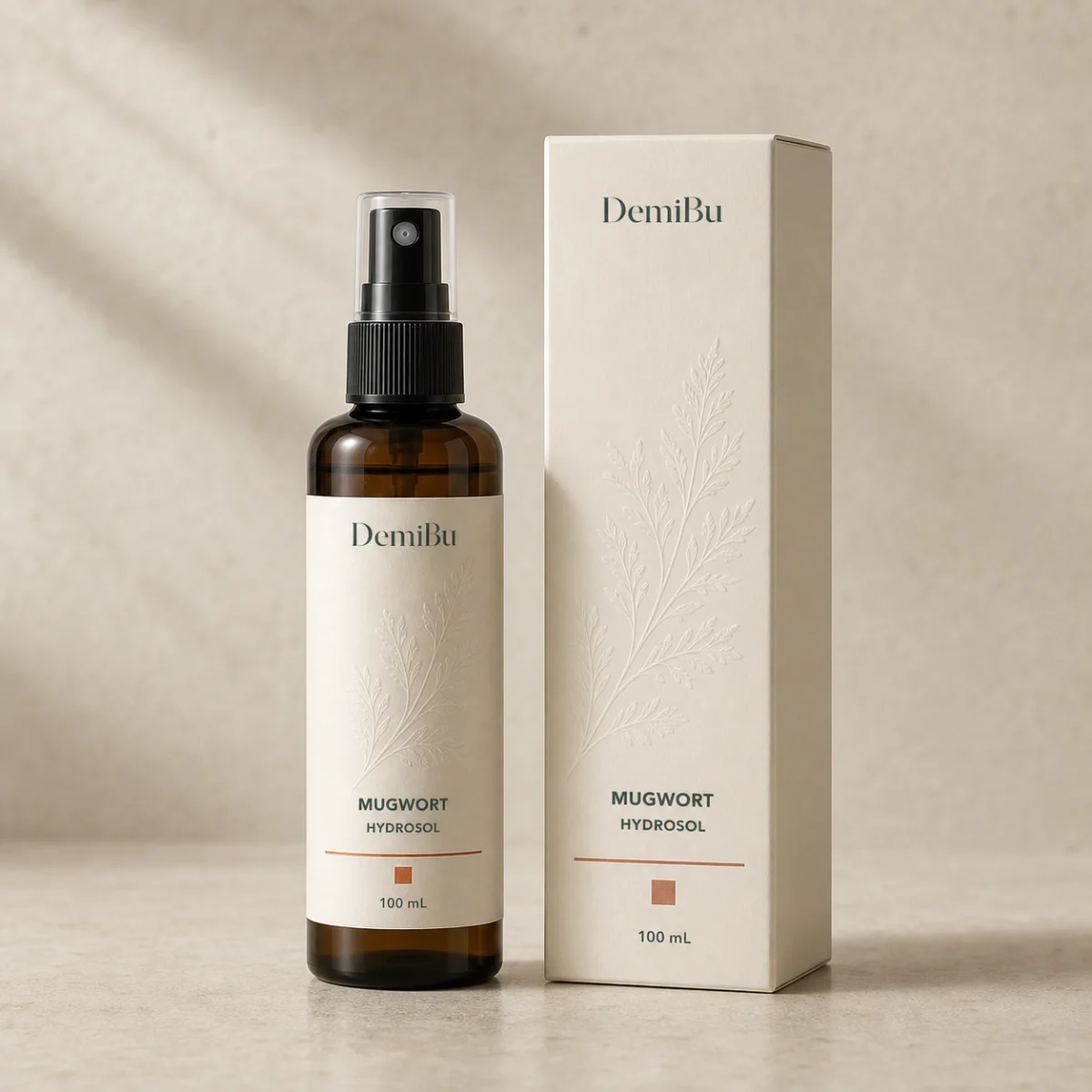
For the related product platforms on this site, the same principle applies. A pure moxa roll, smokeless moxa stick, warming patch, 20 ml mugwort body oil, 100 ml hydrosol and foot-bath sachet should not share one generic approval checklist. Each canonical product page identifies starting specifications and sample questions. The category specialist connects those individual records into one commercial program while keeping the evidence and responsibilities separate.
Sources and evidence notes
Public sources help frame terminology, specifications and buyer questions. They do not prove that every factory, formula or destination-market requirement is identical.
- [1]Nanyang Mugwort Industry Selected for a National PilotNanyang Agriculture and Rural Affairs Bureau · regulator · accessed 2026-08-27
Supports the dated scale and specialization of Nanyang’s mugwort industry cluster, not the capability of any individual supplier.
- [2]Nanyang Mugwort Industry Shows Strong Development MomentumThe People’s Government of Henan Province · regulator · accessed 2026-08-27
Documents public information on Nanyang product breadth, local standards and research platforms across the regional industry.
- [3]Qichun Builds a Large Qiai Industry Through InnovationHubei Department of Agriculture and Rural Affairs · regulator · accessed 2026-08-27
Supports Qichun’s role as a Qiai industry cluster and the concentration of cultivation, processing and product development.
- [4]specialist manufacturer Company Profile and OEM ActivityHubei Provincial Department of Economy and Information Technology · regulator · accessed 2026-08-27
Provides a dated public example of a Qichun company operating across cultivation, production, sales and OEM or ODM.
- [5]specialist manufacturer Production License RecordNational Center for Medicine Information Public Database · regulator · accessed 2026-08-27
Shows why a category specialist checks the exact legal entity, licensed scope and validity instead of relying on catalog language.
How this guide was prepared
Moxa Sourcing Editorial Team
The team translates product references, product samples and China-side sourcing workflows into practical English guidance for overseas buyers.
Moxa Sourcing Supply Review Team
The review team checks supplier attribution, commercial boundaries, product specifications and statements that require sample or market-specific verification.
Product availability, MOQ, price and production specifications are reconfirmed against the selected product reference. The buyer or importer leads the destination-market decision and retains applicable statutory importer duties; Moxa Sourcing supports the process by coordinating product and supplier evidence, specifications, documents, testing and label inputs, version control and agreed professional partners.