Monthly Heat Patch Specification: Buyer Guide
Temperature, duration and discretion become useful requirements only when their test conditions and placement are written.
Quick Executive Answer
2026 Buyer Quick Summary (Monthly Heat Patch Specification: Buyer Guide): A technical specification guide for monthly heat patch curves, placement, adhesion, discretion, pouch barrier, warnings and sample acceptance. Anchor all 2026 China purchase specs to active standards (GB/T 40975-2021, GB/T 40976-2021, ISO 20759:2023, T/YQAC 0003-2022, or GB 44246-2024), verify physical arrival samples before deposit, and confirm destination compliance early.
Specify a monthly heat patch with a defined placement, activation method, temperature curve, average and peak limits, total duration, heat distribution, attachment system, thickness, movement behavior, pouch barrier and warnings. Record the method and representative samples. None of these values transfers automatically between SKUs, and the buyer or importer must separately approve destination classification, labeling and claims.
Sources, access dates and the facts they support are listed below.
Use the evidence to shortlist references, approve samples and request a scope-based wholesale or OEM quote.
A technical specification guide for monthly heat patch curves, placement, adhesion, discretion, pouch barrier, warnings and sample acceptance.
The incoming-sample comparisons in this guide use a supervised, documented non-human fixture or substrate, as described in the U.S. heat-patch guide. They do not instruct human wear or skin testing. Retain the selected product’s original use directions and warnings; any separate contact or user assessment needs appropriate qualified review.
Which identity fields control the technical specification?
The specification must identify the exact construction, placement and sample before any heat value is meaningful.
Record product code, supplier, manufacturer, site, formula or heat material, layer construction, chamber layout, dimensions, fill or weight, adhesive, liner, pouch and intended placement. State whether the patch attaches to underwear, clothing or skin. A reference photograph does not replace these fields, and data from one placement cannot be reused for another.
Name the sample and specification versions. The retained approved sample supports sensory and physical comparison; the document states which attributes are intentional and how they are checked. If the product is still a concept, fields remain ‘sample required’ rather than being filled with supplier catalog numbers.
State the intended use in bounded terms. For this program, monthly comfort describes the context for portable warmth. It does not establish a menstrual treatment, pain, circulation or disease claim. The buyer or importer decides any different destination-market route and the evidence required.
Finally, define who approves product, technical method and market text. The factory controls manufacturing, Moxa Sourcing coordinates the China-side file, and the buyer or importer leads classification, final label, claims and clearance. FDA lists an adhesive-backed thermal skin-patch category for temporary pain relief; that category is an issue to review, not a classification of MB2B-0008 [3].
| Specification block | Required fields | Why it cannot stay generic |
|---|---|---|
| Identity | SKU, manufacturer, site and version | Different factories and variants may use different systems |
| Construction | Materials, layers, chambers, fill and dimensions | Controls heat, flexibility and profile |
| Placement | Underwear, clothing or skin | Changes heat transfer, adhesion and warnings |
| Heat method | Setup, sensors, interval, average, peak and duration | Makes values reproducible |
| Market boundary | Destination, intended use and claim owner | Separates product data from legal authorization |
How is the temperature curve specified?
Specify the test setup and full curve, including activation, sustained range, local peaks, distribution and end point.
The written non-human bench method states pouch-opening time, fixture/substrate, environment, garment layers, sensor/calibration identity and positions, reading interval, duration and stop conditions. Record representative units and relevant chamber locations. The method is a commercial comparison, not a human wear or skin-safety protocol.
Activation time is the period before meaningful warmth. The working range describes sustained output under the chosen method. Peak temperature identifies the highest observed point and must be considered with local distribution. Duration needs an agreed threshold or end condition; simply counting hours after opening can overstate useful warmth.
Pressure, folding, bunching, tight clothing, bedding and airflow may alter output. The approved instructions should tell users to keep the product flat and avoid untested conditions. The cited consumer label [1] and FDA category description [3] show why heat, placement and burn concerns need review; neither provides MB2B-0008 test data. Final warnings must follow the selected SKU evidence and destination review.
The specification includes variation limits and the relationship between development and production checks. Pilot lots show whether a reduced lot method can detect meaningful drift. Unusual peaks, short duration or uneven chambers trigger investigation of fill, materials, seals, airflow or method.
| Curve field | Specification question | Decision risk |
|---|---|---|
| Rise time | How soon does the chosen threshold begin? | User expectation and premature judgment |
| Working range | What sustained range is accepted? | Too low or uncontrolled warmth |
| Peak | What limit applies at each relevant location? | Localized overheating |
| Duration | How is useful duration defined? | Marketing hours differ from measured output |
| Distribution | How different may chambers be? | Average hides a local hot area |
How are attachment and skin-contact questions specified?
Specify the exact attachment surface, adhesive component, holding behavior, removal and exclusions under active-use conditions.
For underwear or clothing placement, identify fabric contexts used in sampling. Record initial bond, repositioning, edge lift, migration, bunching, residue and possible fabric effect. Avoid promising compatibility with every textile. Placement diagrams should show the tested orientation and keep the heat cells flat.
For a skin-contact concept, obtain complete contact-material information and a qualified evaluation plan. Adhesive strength is only one attribute. Removal, residue, visible response, heat transfer and user ability to stop use all matter. Do not claim hypoallergenic or sensitive-skin suitability without evidence for the exact system and market wording.
Compare active representative units on the defined non-human fixture where the qualified bench plan permits it. Record fabric, movement, moisture and duration as method variables. Keep the observations distinct from human contact-safety or medical outcomes.
Any adhesive, liner, nonwoven or dimension change enters change control. A new component can alter both fit and heat. The supplier provides notice, and the buyer decides whether document review, a component sample, wear test or destination review is required.
How is discretion turned into measurable product attributes?
Translate discretion into thickness, sound, visibility, movement, pouch portability, odor and disposal observations.
Define discreet through finished thickness and dimensions plus visibility, outline and bunching on a named non-human form with the intended garments and motions. A larger pad can change coverage and visibility. Record the setup and tradeoff without treating it as a human-wear result.
Sound can be evaluated during opening, attachment and movement. Odor is recorded after opening and during use using an approved reference and defined scale. Avoid universal ‘odorless’ statements unless supported. Pouch size and tear opening influence whether the unit is practical to carry and open.
Disposal instructions should match the construction and destination. Heat-cell contents must remain contained, and damaged products need appropriate warnings. The retail pack should not use imagery that conflicts with placement or shows a medical result.
Discretion claims are approved only after representative samples. They remain experience statements, not promises that every garment, body type or situation will conceal the product.
| Discretion attribute | Possible record | Boundary |
|---|---|---|
| Thickness | Measured finished sample | Does not guarantee invisibility |
| Visibility | Observed under named garment types | Not transferable to all clothing |
| Sound | Opening and movement observation | Subjective scale needs a reference |
| Odor | Timed observation against approved sample | Avoid unsupported odorless claim |
| Portability | Pouch dimensions and opening use | Separate from heat performance |
What warnings and packaging fields follow from the specification?
Warnings and pack copy should be outputs of the verified construction, placement and heat data, not text selected before testing.
Instructions cover opening, placement, flat application, use duration, removal and single-use status. Warnings may cover excessive heat, reduced sensation, children, sleep, pressure, damaged cells, ingestion, contact with contents, reheating and reuse depending on the SKU and market. Public menstrual heat-wrap labeling shows these topics in practice.
The pouch specification includes barrier, seal, opening, print and code. Retail packaging includes count, directions, warnings, barcode, responsible-party text and storage. Shelf-life language requires evidence for the final product and pouch. Custom film or seal changes can reopen heat testing.
Temperature and duration printed on the pack must match the approved method and production control. If exact values remain open, do not print them. Stronger claims in ecommerce or distributor content are controlled by the same matrix as the carton.
The buyer or importer approves destination classification, label and claims. Packaging conformity does not guarantee market authorization or customs clearance. The project file keeps these gates separate.
What is the minimum sample-to-production evidence set?
Retain a coded sample, full method and curves, fit and attachment record, specification, artwork, pilot correlation and lot checks.
Development evidence includes candidate sample identities, measurements, construction statements, curves, placement observations, attachment, discretion and pouch review. The approval names conditions and missing items. A conditional sample does not release printing or production until the condition is closed.
The written specification freezes formula or heat material, layers, chambers, dimensions, fill, placement, heat method, adhesive, pouch, pack and warnings. Artwork is separately versioned and approved by the buyer or importer for market wording.
Pilot work confirms that the factory can reproduce the sample and that production checks correlate with full development tests. Incoming and in-process controls address critical materials, fill, welds, adhesive, seal and code. Pre-shipment sampling checks the lot against the approved record.
The release report states limitations. It does not claim clinical benefit, universal skin suitability, guaranteed shelf life beyond evidence, destination approval or clearance. It shows that the selected lot was evaluated against the written product and packaging requirements.
How should tolerances and acceptance rules be written?
Each critical attribute needs a method, limit or approved reference and a pre-agreed response when production falls outside it.
Begin by classifying attributes. Critical fields may include the correct formula or heat material, intended placement, dangerous temperature excursion, missing warnings or wrong market artwork. Major fields may include duration outside the approved range, poor pouch seal, incorrect dimensions, weak attachment or missing count. Minor fields may cover limited visual variation that does not affect use. The categories are defined for the product and contract, not copied from another checklist.
Use numeric tolerances where the method and process support them: overall dimensions, fill or weight, pack count, temperature limits, duration threshold and code position. Use approved material or component references for layers, adhesive, liner and pouch. Use photographs and retained samples for finish or color ranges that are difficult to express numerically. State which reference prevails if a photograph and number conflict.
For heat, define acceptance at relevant points rather than one center reading. The rule may include maximum peak, working-range duration, chamber distribution and failed-sample limits. Qualified technical review is needed to choose values. This article does not set universal temperatures. It requires the buyer and supplier to make the selected target visible and testable.
For attachment and discretion, combine construction checks with a defined non-human form/garment comparison. Record fabrics, motions, time and an anchored scale for edge lift or migration, with photos and comments. Any separate human/contact evaluation requires its own qualified plan and cannot be inferred from these results.
The nonconformance rule states containment, review and disposition. A failed critical result holds the lot. A major issue may require sorting, rework, replacement or buyer decision. A minor concession is written for the affected lot and does not change future requirements. Any result affecting destination wording or instructions goes back to the buyer or importer.
Pilot production is the opportunity to test whether the specification is practical. If the supplier cannot measure a required field or the process shows normal variation outside the proposed tolerance, the parties adjust the process or reconsider the requirement before bulk production. They do not wait until final inspection to discover that the contract cannot be applied.
| Attribute | Control form | Example failure response |
|---|---|---|
| Formula or material identity | Approved code and supplier record | Hold lot and investigate substitution |
| Dimensions and fill | Numeric tolerance and measurement method | Adjust process, sort or rework |
| Heat profile | Curve limits and sampled method | Hold and investigate material, fill, seal or setup |
| Attachment | Component reference plus fixture-comparison scale | Review adhesive, application or component change |
| Pouch and artwork | Approved physical system and file version | Stop packing or shipment until corrected |
| Visual variation | Photograph or retained sample range | Buyer concession or sorting by severity |
How should the specification be reviewed over the product life cycle?
Review it when complaints, materials, site, market, artwork or evidence change and before every reorder uses an old assumption.
The first production lot provides data beyond development samples. Compare lot curves, attachment observations, pouch performance and customer feedback with the specification. Investigate systematic differences. Do not broaden tolerances automatically to make production pass; decide whether the product, process or requirement should change.
Supplier change notices trigger review. A new heat-material source, nonwoven, breathable layer, adhesive, pouch converter, production line or site may affect critical attributes. The file records supporting documents, sample or test requirement and effective lot. The buyer approves changes that affect product identity or market information.
Market changes also matter. A new country, channel, importer or claim may require another classification, label, language and evidence review even when the physical product stays the same. Keep market versions separate and prevent leftover packaging from entering the wrong order.
Set a routine review date and an event-based review rule. Current certificates, shelf-life evidence and supplier records are rechecked. The specification remains the active commercial truth only while its linked evidence and product route remain current.
References, tools and next steps
Sources and evidence notes
Public sources help frame terminology, specifications and buyer questions. They do not prove that every factory, formula or destination-market requirement is identical.
- [1]ThermaCare Menstrual HeatWrap Current LabelThermaCare · manufacturer · accessed 2026-08-27
Provides a detailed market example of activation time, underwear placement, flat use, maximum wear duration and warnings.
- [2]Neck WarmerThermopad · manufacturer · accessed 2026-08-27
Provides a second clothing-applied heat-product example showing that duration, dimensions, ingredients and warnings vary by SKU.
- [3]FDA — Product Classification: Adhesive-Backed Thermal Skin PatchesU.S. Food and Drug Administration · regulator · accessed 2026-10-15
Describes a pain-relief thermal skin-patch device category and burn/placement concerns; it does not classify MB2B-0008.
- [4]Your Europe — General Product ComplianceEuropean Union · official guidance · accessed 2026-10-15
Supports destination-specific product, labeling, instructions and importer checks; it does not classify a heat-patch SKU.
How this guide was prepared
Moxa Sourcing Editorial Team
The team translates product references, product samples and China-side sourcing workflows into practical English guidance for overseas buyers.
Moxa Sourcing Supply Review Team
The review team checks supplier attribution, commercial boundaries, product specifications and statements that require sample or market-specific verification.
Product availability, MOQ, price and production specifications are reconfirmed against the selected product reference. The buyer or importer leads the destination-market decision and retains applicable statutory importer duties; Moxa Sourcing supports the process by coordinating product and supplier evidence, specifications, documents, testing and label inputs, version control and agreed professional partners.
Monthly Heat Patch Specification: Buyer Guide FAQ
Answers about specifications, customization, samples and ordering.
What is the difference between average and peak temperature?
Average or working range describes sustained output under a method; peak is the highest observed point. Both, plus distribution and duration, are needed to understand the profile.
Can supplier duration data be printed immediately?
No. Confirm the final SKU under an agreed method and representative samples, then connect production controls and buyer-approved wording to that result.
How is a discreet patch evaluated?
Record thickness, visibility under named garments, movement, sound, odor, pouch portability and removal. Results remain limited to the samples and contexts tested.
Does this specification determine medical-device or other classification?
No. The buyer or importer determines destination classification, any applicable registration, label and claims from the exact composition, intended use and local rules.
Continue from research to product evidence
Each canonical product page shows its source reference, starting specification, sample questions and available buying path.
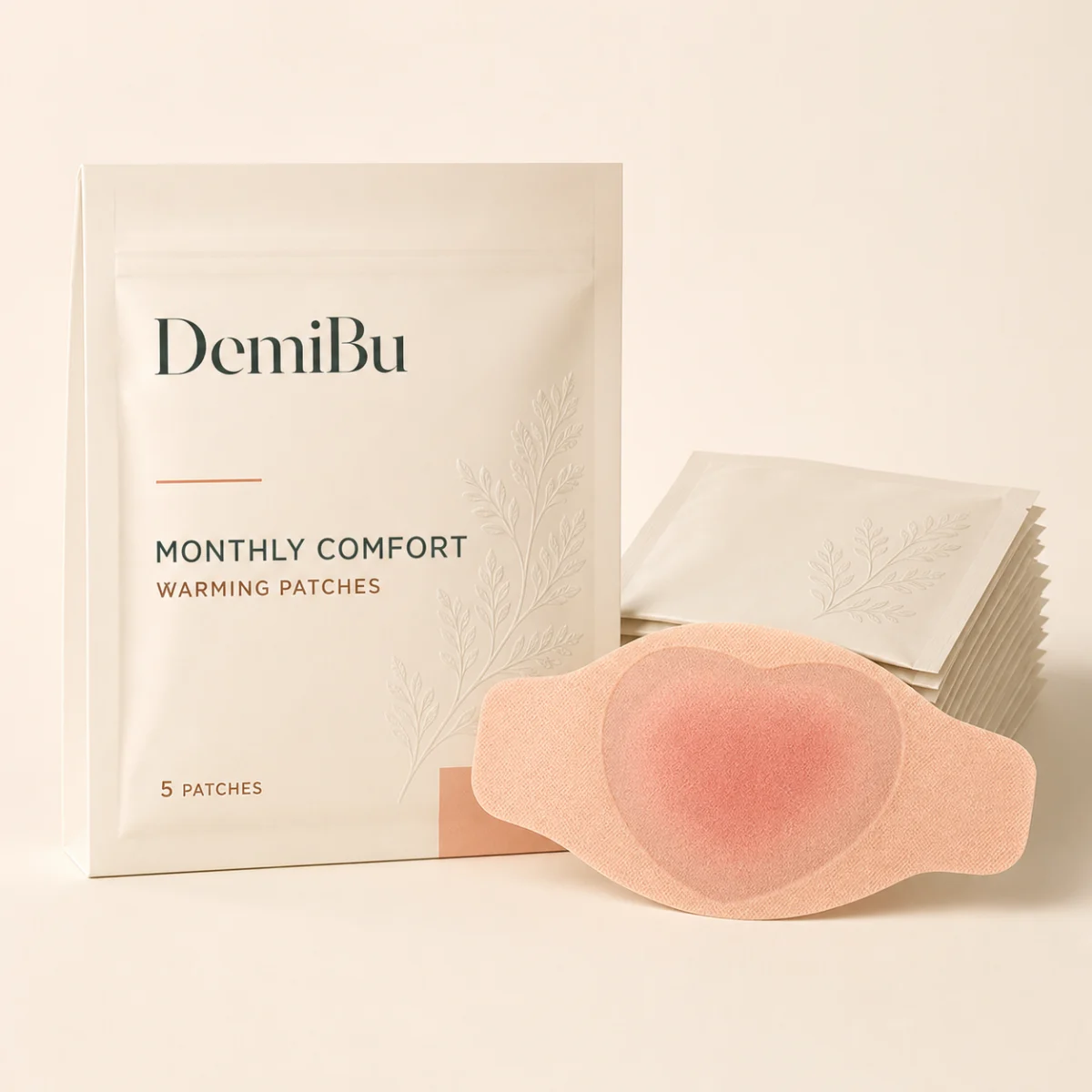
Private-Label Monthly Comfort Heat Patches
Self-warming abdominal patch reference for a discreet women’s-care program; confirm construction, placement, heat data and pack privacy against a matched sample.
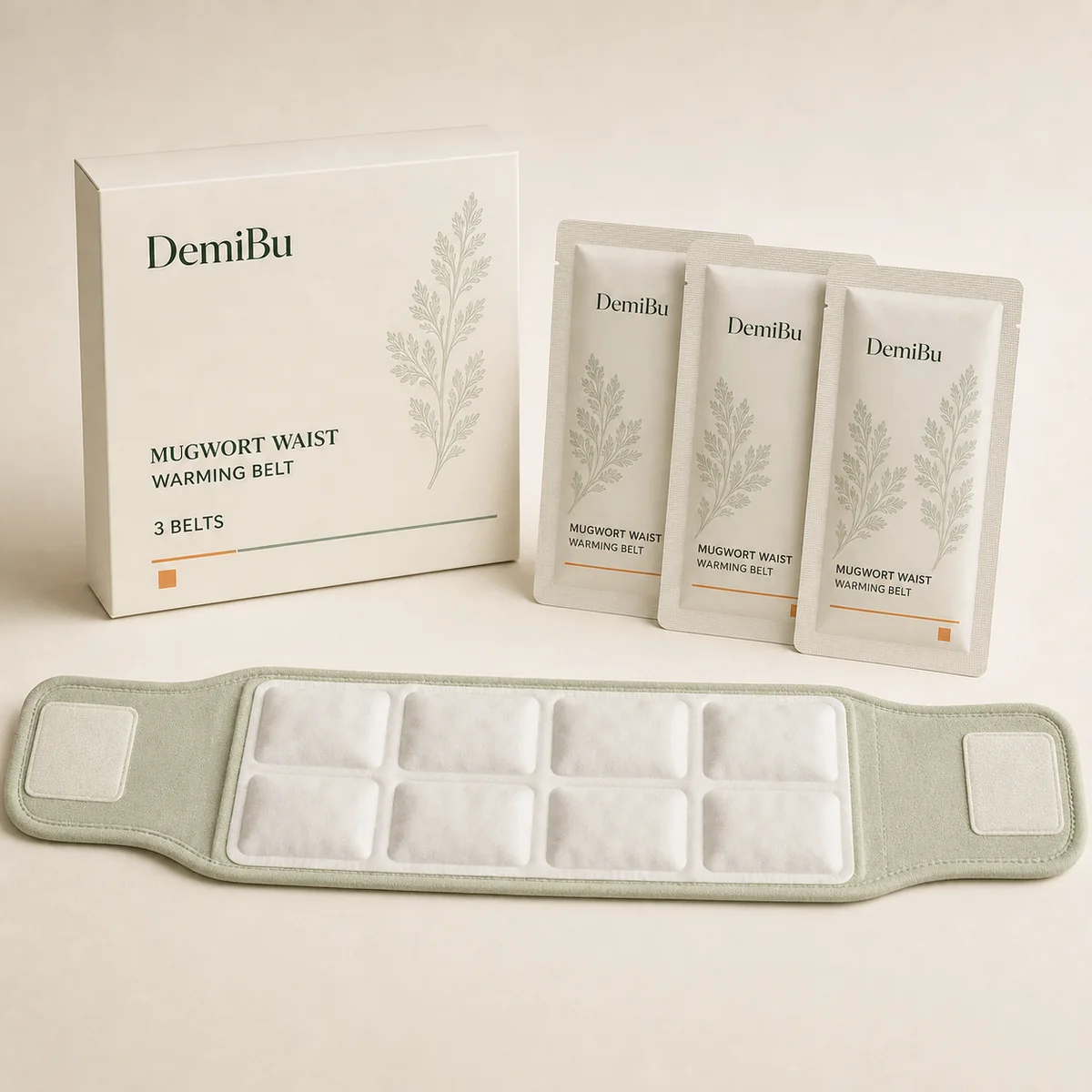
Botanical Waist Warming Belts
Large-area, individually packed waist-warming format for personal-care and seasonal programs.
Continue the buyer decision
Read adjacent guides without duplicating the product record.
Apply this guide to a real product and destination
Product, market, quantity, packaging and timeline are enough to begin.
Comparing a warming patch or planning a private-label pack?
Ask about construction, placement, heat records, samples, pouch, artwork or quote scope. Start with your question; this page is included.
2026 Warming Patch OEM Matrix: Direct-Skin vs. Air-Activated Safety & MOQ
| Patch Format | Thermal / Safety Standard | Staged MOQ & Live Platforms |
|---|---|---|
| Direct-Skin Botanical Patch (HMA / Hydrogel) | Low-odor SIS/SBS or hydrogel matrix; gentle botanical warmth (no harsh capsaicin burn); non-drug comfort claims | 50–100 box pilot / 300–500 box custom carton · Knee · Neck/Shoulder |
| Air-Activated Warming Patch (Menstrual / Lower Back) | Flat thin-sheet core (40–45°C over clothing); mandatory 44°C low-temp burn & erythema ab igne warnings | 50–100 box pilot / 300–500 box carton · Monthly Comfort · Lower Back |
| 5-in-1 Evaluation Kit | Wear-test stretch sports, knee, shoulder, menstrual & foot pads side by side | Request 5-in-1 Patch Sample Kit · 44°C Safety Guide |
Additional Buyer & Technical FAQs (2026 Update)
What separates an FDA OTC drug pain patch from a non-drug botanical warming comfort patch in the US?
Adding US FDA OTC analgesic monograph actives (menthol, camphor, methyl salicylate) or claiming to treat arthritis/pain/inflammation triggers full FDA OTC drug compliance. Botanical soothing warmth patches without drug actives marketed strictly for daily comfort stay cleanly outside OTC drug registration.
Why is the 44°C low-temperature burn threshold critical for private-label heat patches?
Dermatological research (Moritz & Henriques, 1947) shows skin damage begins at prolonged 44°C exposure—especially on sleeping, elderly, or diabetic users. Specify flat molded thin-sheet cores and print bold over-clothing placement warnings on every carton.
What is the lowest MOQ to pilot private-label menstrual, neck, or knee warming patches?
Brands can validate demand with 50 to 100 boxes (labeled stock pouches), step up to 300–500 boxes with custom-printed retail cartons, and customize inner foil pouches at 3,000+ boxes.
Can I test all five warming patch architectures in one sample shipment?
Yes—our 5-in-1 Patch Evaluation Sample Kit includes post-workout stretch, wrap-around knee, contoured neck/shoulder, thin-sheet menstrual, and mugwort comfort foot patches in one express courier box.